Overview of the 2000 IRS Direct Deposit Update
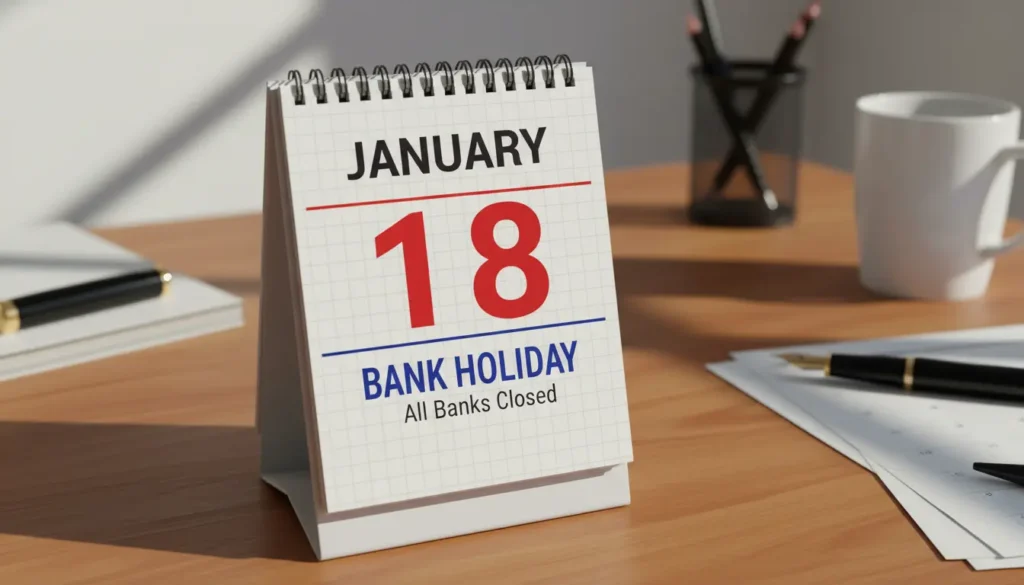
The IRS has announced a direct deposit update tied to a $2,000 payment and a payment window beginning January 18. This update affects how payments are delivered and what you must do if your bank or contact details changed.
Read the short steps below to confirm your eligibility, protect your bank information, and speed delivery of any payment that may be due to you.
Why the January 18 start date matters
Payments scheduled to begin January 18 mean the IRS will issue direct deposits on or shortly after that date. If your deposit information is incorrect or outdated, your payment could be delayed or returned to the IRS.
Acting before the payment date prevents delays and reduces the chance you must file forms or ask for a re-issue later.
Who should be most urgent
- People who changed banks or account numbers since their last tax filing.
- Taxpayers who recently moved and did not update direct deposit or address information.
- Those who used cash-based accounts, prepaid cards, or third‑party payment services.
Immediate steps to take now
Follow these practical steps to protect your payment and speed delivery. Complete each step at least a few days before January 18.
1. Verify your bank account and routing numbers
Find a recent bank statement or login to your bank app and confirm both the routing number and the correct checking or savings account number. Small errors or transposed digits are common causes of returned payments.
2. Check your IRS account online
Sign in to your IRS online account to confirm any payment notices and see whether the IRS has your current direct deposit details. If you do not have an account, create one only at the official IRS website.
3. Update information the right way
The IRS generally does not accept bank updates by email or phone. Use the IRS online portal or file the correct form if instructed. If you worked with a tax preparer, contact them to confirm they submitted accurate banking details on your return.
4. Contact your bank if you expect a deposit
Tell your bank to watch for an incoming IRS deposit and confirm that your account accepts ACH direct deposits. If you closed an account recently, ask whether the bank will accept a return and forward the funds or provide an alternative solution.
5. Gather documents to prove identity
If an issue arises, you may need recent tax returns, an ID, or a bank statement. Keep these documents accessible so you can act quickly if the IRS requests verification.
The IRS will not contact you by social media to ask for bank account numbers or send a payment link. Report any unexpected contact that asks for your financial information.
Rules to know about the $2,000 IRS direct deposit
Understanding the basic rules helps you avoid mistakes that delay payment.
- Eligibility is based on IRS rules and taxable records; not everyone will receive this payment.
- The IRS uses direct deposit information on file from your last tax filing unless you update it through official channels.
- If a direct deposit fails, the IRS may mail a paper check, which can take considerably longer.
Common causes of payment delays
- Incorrect or closed bank account numbers.
- Name mismatches between IRS records and bank account ownership.
- Fraud filters at banks that hold large or unexpected deposits for review.
How to handle a missed or returned deposit
If you do not see a deposit after January 18, follow these steps:
- Check your bank account transactions and pending deposits for the IRS amount.
- Verify the IRS sent a payment by checking your IRS account or any mailed notice.
- If the deposit failed, contact the IRS using only the phone numbers listed on IRS.gov and be prepared with documents.
Watch out for scams
Fraudsters use payment news to try to collect personal information. Keep these safety rules front of mind:
- The IRS does not initiate contact by text or social media to request banking details.
- Never provide account numbers, Social Security numbers, or tax records in response to an unexpected call or email.
- Use official IRS channels for status checks and corrections.
Quick checklist before January 18
- Confirm routing and account numbers with your bank.
- Sign into your IRS account to verify payment status.
- Collect ID and recent tax documents in case verification is needed.
- Inform your bank to expect an ACH deposit from the IRS.
- Ignore unsolicited messages asking for bank or personal data.
Practical example: A real-world case
Maria updated her checking account online with her bank after switching jobs. She signed into her IRS account two weeks before January 18 and confirmed the deposit instructions matched her new account.
Because she notified her bank and had the right routing number on file, the IRS direct deposit posted on January 19 and Maria avoided a mailed check and a reissue request. Her quick verification saved at least two weeks of delay.
When to get professional help
If you see a returned payment, a mismatch between IRS records and your bank, or suspect identity theft, contact a certified tax professional or the IRS. They can advise on forms and documentation to correct records quickly.
Taking small, timely steps now will help ensure that any $2,000 direct deposit reaches your account without delay when payments begin on January 18.