Overview of the New January Driving Law in All 50 States
Starting in January, a new driving rule that affects motorists in every state includes criminal penalties and financial fines. The change centers on specific high-risk behaviors while driving and introduces jail time and fines up to 1500 dollars for certain violations.
This article explains what the law aims to cover, who is likely to be affected, and practical steps drivers should take to avoid penalties.
What the New January Driving Law Covers
The law targets behaviors most commonly linked to severe crashes. Typical offenses include distracted driving, repeated offenses, driving without a valid license after warnings, and in some states, aggravated violations such as causing bodily injury.
Exact language and thresholds differ by state, but common features include:
- Criminal charges for some traffic violations previously treated as civil infractions.
- Maximum fines set near 1500 dollars for specified offenses.
- Possible short-term jail sentences for repeat or aggravated cases.
Who Faces Jail Time Under the New Rules?
Jail time is generally reserved for more serious or repeated violations. Examples that may trigger jail include causing injury while committing a traffic offense, third or subsequent violations within a short period, or ignoring court orders or license suspension.
Most first-time, non-aggravated violations still result in fines, points on a license, or traffic school mandates rather than jail.
How the 1500 Dollar Fines Work
Fines listed at or near 1500 dollars are typically maximum statutory amounts. Courts often have discretion to reduce fines based on circumstances, ability to pay, and whether the defendant has prior records.
Fines can increase further when court fees, restitution, or civil suits are added.
State Differences and Enforcement
Although the update applies in all 50 states, enforcement and penalties vary. Some states use the new rule mainly to upgrade penalties, while others add procedural changes for quicker adjudication.
Key differences to watch by state:
- Which specific behaviors trigger criminal charges.
- Minimum versus maximum jail terms and whether jail is mandatory.
- Options for diversion programs or traffic school to avoid conviction.
How Police and Courts Apply the Law
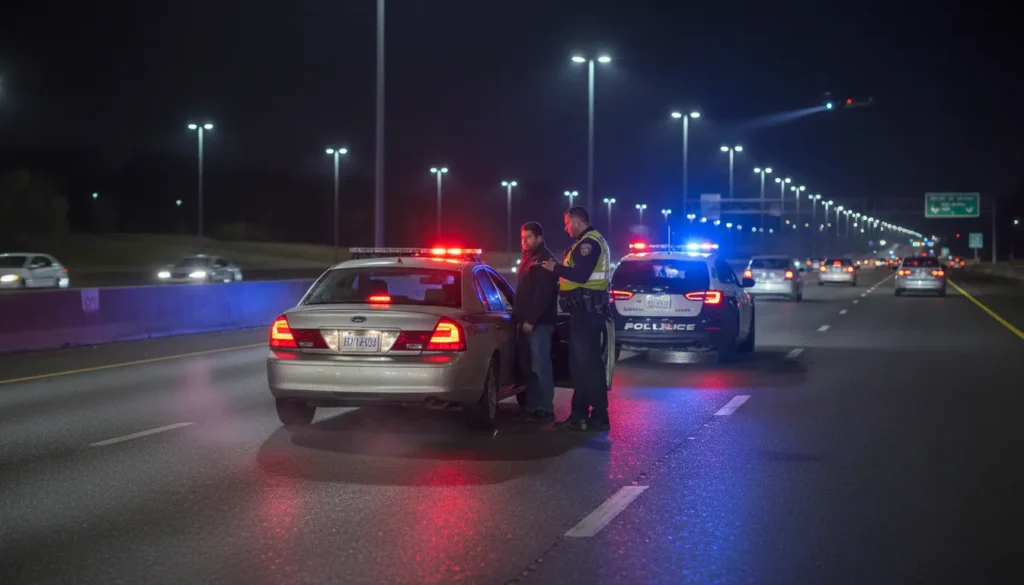
Enforcement usually follows the same process: traffic stop, citation or arrest based on the offense, and court scheduling. In many jurisdictions prosecutors decide whether to charge the case as a misdemeanor (potential jail) or an infraction (fine only).
Court outcomes can include probation, community service, fines, license suspension, or jail for severe cases.
Practical Steps for Drivers
To avoid fines and jail exposure, drivers should adopt these practical habits immediately.
- Eliminate distracted driving: Use hands-free options, or pull over for calls and texts.
- Carry valid documentation: Keep your license, registration, and insurance current.
- Know your state rules: Check the official DMV or state legislature site for exact language.
- Address tickets promptly: Attend required hearings and follow court orders to avoid escalation.
If You Are Cited or Arrested
Take any citation seriously. You have rights and options, including requesting a hearing, seeking counsel, or entering diversion programs when available.
Acting quickly often reduces the chance the case escalates to criminal charges or jail time.
Many states allow traffic diversion programs that can remove a citation from your record if you complete requirements like traffic school and safe-driving courses.
Real-World Example
Example: A commuter received a citation after being stopped for using a handheld device while driving. It was the motorist’s second offense in 18 months. The case went to court, and the driver was fined 900 dollars and ordered to complete an approved distracted driving program. Had this been a third offense or if an injury occurred, the charge could have been elevated with possible jail time and fines closer to 1500 dollars.
Possible Insurance and Record Consequences
A conviction under the new law can affect insurance rates and driving records. Insurers frequently increase premiums after offenses tied to safety risk or criminal convictions.
Points on a license may lead to suspension, which itself can result in additional fines and criminal exposure if ignored.
How to Check Your State’s Specifics
Because enforcement details vary, the best sources are state DMV websites, state statutes, and local court information pages. Many states publish easy summaries after major law changes to help drivers understand new rules.
Useful actions:
- Search your state name plus “distracted driving law 2026” (or the current year).
- Call your local clerk of court for ticket and hearing procedures.
- Consult a traffic attorney if facing potential jail time or significant fines.
Bottom Line
The new January driving law that now affects all 50 states heightens penalties for certain unsafe driving behaviors, combining financial fines up to 1500 dollars with the possibility of jail time in more serious or repeat cases.
Stay informed about your state’s exact rules, adopt safer driving habits, and address any citations promptly to avoid escalation to criminal charges.