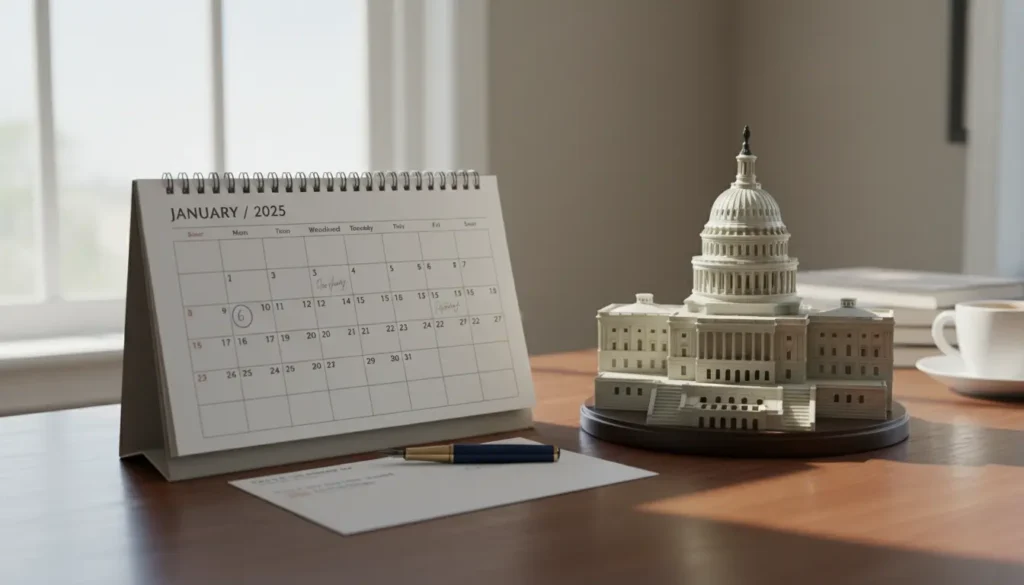
This handbook explains the Federal Government $2,000 payments scheduled for January 2026. It gives clear steps beneficiaries can follow to confirm eligibility, track payments, and resolve common problems.
Who qualifies for Federal Government $2,000 Payments in January 2026
Eligibility varies by program and by the legislation authorizing the payments. Typical qualifying groups include Social Security recipients, veterans with benefit status, and low-income benefit recipients if specified by the law.
To check eligibility, use official agency guidance: the Social Security Administration (SSA), Department of Veterans Affairs (VA), or the agency named in your notice. Keep documentation such as benefit letters and recent bank statements ready.
Key eligibility checklist for Federal Government $2,000 Payments
- Active benefit status with the authorizing agency on the cutoff date.
- No outstanding disqualification notices (for example, terminated benefits).
- Correct mailing address or direct deposit information on file.
- Required application or enrollment submitted before the deadline if mandated.
How the Federal Government $2,000 Payments will be issued in January 2026
Payments are commonly issued either by direct deposit or by paper check. The exact schedule depends on the program and the agency managing the distribution.
Direct deposit is the fastest method and reduces the chance of lost or delayed mail. If your agency has your direct deposit on file, expect an electronic deposit on the date specified in their public schedule.
Typical payment schedule and methods
- Direct deposit: electronic deposit to your bank account on the scheduled date.
- Paper check: mailed and delivered via USPS; add 5–10 business days for delivery.
- Prepaid debit cards: used by some agencies; check the card terms for activation.
How to confirm your $2,000 payment status
Use these steps to confirm whether a payment is scheduled or already sent. Start with the agency that administers your benefit.
- Check your account on the agency website (SSA, VA, etc.).
- Call the agency’s public phone line—use official numbers from agency websites, not numbers from unsolicited emails.
- Check your bank account for pending deposits 1–3 days before the official date.
- Watch for mailed notices and the envelope return address to verify authenticity.
What to do if you do not receive your Federal Government $2,000 payment
If you expect a payment and it does not arrive by the scheduled date, take these practical steps to resolve the issue.
- Confirm your direct deposit and mailing address are current with the agency.
- Request a payment trace or research request through the agency if a direct deposit or check is missing.
- Ask whether there are eligibility holds, offsets, or administrative flags on your account.
- Keep records of all communications and reference numbers when you contact agencies.
Common reasons for missing payments
- Outdated bank or mailing information on file.
- Administrative holds or unresolved eligibility reviews.
- Clerical errors or delays in processing by the issuing agency.
- Mail delivery slowdowns or returned mail.
Some agencies will reissue a payment automatically if a paper check is returned as undeliverable. However, direct communication speeds the resolution—contact the issuing agency immediately if you suspect a problem.
Tax and reporting considerations for Federal Government $2,000 Payments
Most one-time federal payments are not taxable if the law that created them specifies non-taxable status. Check the official announcement for tax guidance and any required reporting on future benefit or tax forms.
If uncertain, consult a tax professional or the IRS guidance to understand whether you must report the payment on your tax return.
Checklist for beneficiaries: Preparing for January 2026 payments
- Verify and update direct deposit and mailing address with your benefit agency now.
- Gather identification and benefit numbers before contacting agencies.
- Monitor bank accounts the week of the scheduled payment.
- Keep contact records for any inquiries or disputes.
Case Study: How one beneficiary received the January 2026 payment
Maria, a retired teacher receiving Social Security, learned about the $2,000 payment from her agency’s announcement. She confirmed her direct deposit information online in December and printed a confirmation for her records.
On the announced date in January 2026 Maria saw the deposit post to her bank account. When a second family member did not receive their payment, Maria helped them call the agency, provide verification, and request a trace. The issue was a wrong routing number, which was corrected and the payment reissued within two weeks.
Contact and follow-up: Who to call for Federal Government $2,000 Payments
Always use official agency phone numbers and websites for contact information. Avoid responding to unsolicited calls or emails asking for personal financial information.
If you need help, have your benefit ID, full name, date of birth, and a recent bank statement available when you call.
Useful contact steps
- Locate the agency page for the January 2026 payment announcement and read FAQs.
- Use online portals for secure messaging when available.
- Request written confirmation of any changes to your account.
Following this handbook will help you prepare for and track the Federal Government $2,000 payments scheduled for January 2026. Keep records, verify your account details early, and contact the issuing agency promptly if something goes wrong.