Why a Container Garden for Beginners Is a Good Choice
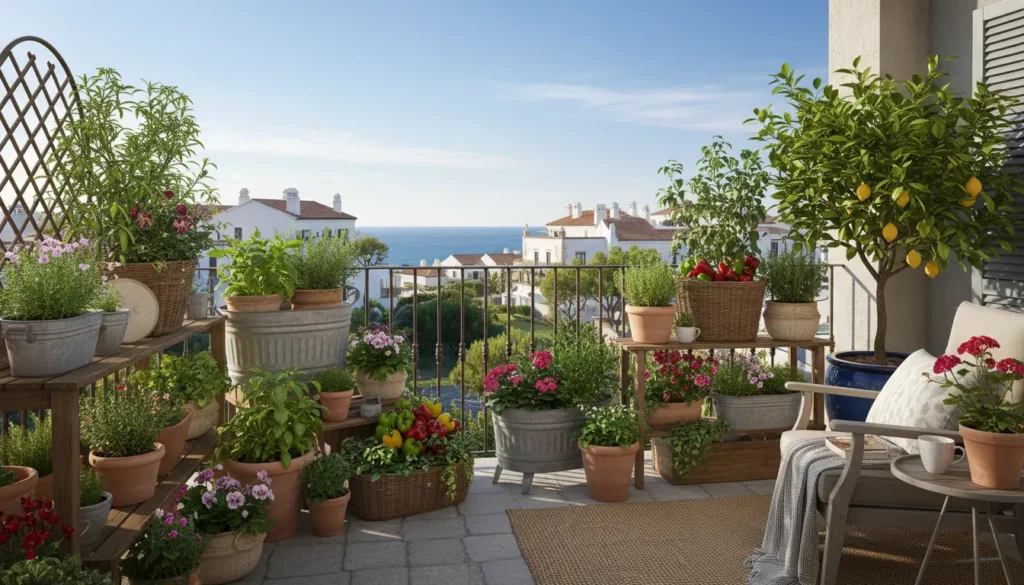
Container gardening is ideal for people with limited space, renters, or anyone who wants a low-risk way to grow food and flowers. It requires less weeding and can be moved to catch sun or avoid bad weather.
This guide shows practical steps you can follow to start a successful container garden even if you have no prior experience.
How to Start a Container Garden for Beginners
Starting a container garden is a series of small decisions: pick containers, choose the right soil, select suitable plants, and set a simple care routine. Follow the checklist below before you begin.
- Decide where the containers will sit (balcony, patio, windowsill).
- Measure available sunlight: full sun, partial shade, or shade.
- Choose container sizes based on the plant types you want.
- Buy a quality potting mix designed for containers.
Choosing Containers
Use pots with drainage holes to prevent root rot. Common materials are plastic, terracotta, and fabric grow bags. Each has pros and cons: terracotta breathes but dries faster; plastic holds moisture and is lighter.
Size matters. Larger containers hold more soil and stay stable during wind. For herbs, 6–8 inch pots work. For tomatoes or peppers, choose 12–18 inch containers.
Soil and Potting Mix for a Container Garden for Beginners
Do not use garden soil in pots. Choose a sterile, well-draining potting mix that contains peat, composted bark, or coconut coir and perlite.
Mix in a slow-release fertilizer or plan to feed liquid fertilizer regularly. Good soil helps control moisture and delivers nutrients to plants in containers.
Plant Selection
Pick plants that match your light and container size. For a container garden for beginners, choose low-maintenance varieties.
- Vegetables: cherry tomatoes, lettuce, spinach, bush beans, peppers.
- Herbs: basil, parsley, chives, mint (mint in its own pot).
- Flowers: marigolds, petunias, nasturtiums.
Avoid large, deep-rooted crops such as corn or pumpkins in small pots.
Watering and Drainage Tips for a Container Garden for Beginners
Watering is the most common care issue. Containers dry faster than ground soil, especially in heat.
- Check soil moisture daily during hot weather by sticking a finger 1–2 inches into the soil.
- Water until you see water draining from the bottom to ensure full saturation.
- Use saucers or trays to protect surfaces, but empty them to avoid soggy roots.
Fertilizing and Feeding
Container plants rely on you for nutrients. Apply a balanced liquid fertilizer every 2–4 weeks or use a slow-release fertilizer mixed into the potting soil at planting.
Monitor plant growth and adjust feeding if leaves look pale or plants are not producing well.
Sunlight and Placement
Most vegetables need 6–8 hours of direct sun. If your space has partial shade, select leafy greens and herbs that tolerate less light.
Rotate containers every few weeks to ensure even growth and prevent plants from leaning toward light.
Troubleshooting Common Problems in a Container Garden for Beginners
Pests, nutrient deficiencies, and overwatering are typical issues. Use these quick checks:
- Pests: Inspect undersides of leaves. Remove insects by hand or use insecticidal soap for small infestations.
- Yellow leaves: Could be overwatering, poor drainage, or nutrient lack. Check soil moisture and feed if needed.
- Slow growth: Ensure adequate light; consider repotting into a larger container if roots are crowded.
Seasonal Care
Adjust watering and placement by season. In summer, water more often and provide afternoon shade for sensitive plants. In cooler months, bring pots indoors or to a sheltered spot to protect tender plants.
Tomato plants in large containers can yield nearly the same harvest as those in the ground because deeper soil supports more root growth and retains nutrients better.
Real-World Example: A Small Balcony Container Garden Case Study
Maria lives in a second-floor apartment with a narrow balcony. She started a container garden for beginners with three 12-inch plastic pots.
She planted a cherry tomato, a basil plant, and a mixed salad green pot. Maria used a premium potting mix and placed the pots where they received morning sun and afternoon shade.
Within eight weeks she harvested the first small batch of salad greens and several tomatoes. Her routine: check moisture each morning, water deeply twice a week, and feed with liquid fertilizer every three weeks.
This modest setup gave her fresh herbs and vegetables, proving small spaces can be productive with the right choices.
Quick Checklist Before You Plant Your Container Garden for Beginners
- Confirm sunlight hours where containers will sit.
- Choose containers with proper size and drainage.
- Buy quality potting mix and basic fertilizer.
- Select beginner-friendly plants matched to light and container size.
- Set a simple watering and feeding schedule.
With these steps and small daily habits, a container garden for beginners can be reliable, low-cost, and rewarding. Start small, learn from each season, and expand as you gain confidence.