Why Start a Vegetable Garden
Starting a vegetable garden gives you fresh, seasonal produce and reduces grocery costs. It also improves mental well-being and connects you to the food you eat.
This guide covers straightforward, practical steps to help beginners start a vegetable garden and get reliable harvests in the first year.
Plan Before You Plant: Site and Size
Choosing the right site is the most important first step when you start a vegetable garden. Look for a spot that gets at least 6 hours of direct sunlight daily.
Consider soil drainage, proximity to a water source, and accessibility. Start small—10 by 10 feet or a few raised beds are enough for most beginners.
Site checklist
- Sunlight: 6–8 hours a day
- Water access: within 20–30 feet
- Drainage: no standing water after rain
- Shelter: some wind protection if possible
Prepare Soil to Start a Vegetable Garden
Healthy soil equals healthy plants. Test soil pH and fertility with a home kit or lab test. Vegetables prefer a slightly acidic to neutral pH (6.0–7.0).
Improve soil structure by adding organic matter such as compost, well-rotted manure, or leaf mold. Mix amendments into the top 8–12 inches of soil before planting.
Easy soil improvement steps
- Clear weeds and debris from the site.
- Spread 2–4 inches of compost over the area.
- Work compost into the topsoil to a depth of 8–12 inches.
- Level the bed and water to settle the soil.
Choose Vegetables for Your Garden
Select crops that match your climate, space, and tastes. Start with reliable, easy-to-grow vegetables like tomatoes, lettuce, beans, radishes, and peppers.
Consider seasons: cool-season crops (lettuce, spinach, peas) and warm-season crops (tomatoes, cucumbers, squash). Plant accordingly for continuous harvests.
Beginner-friendly crop ideas
- Tomatoes: productive and rewarding
- Lettuce and salad greens: fast-growing and continuous harvest
- Bush beans: low maintenance and high yield
- Radishes: ready in weeks and good for succession planting
Planting: Seeds vs. Seedlings
Decide whether to sow seeds directly or transplant seedlings. Direct sowing is easier for root crops and quick greens. Use seedlings for crops that need a longer season like tomatoes.
Follow spacing and depth instructions on seed packets. Overcrowded plants reduce airflow and increase disease risk.
Basic planting tips
- Plant seeds at recommended depth and keep the soil consistently moist until germination.
- Harden off seedlings by gradually exposing them to outdoor conditions for a week before transplanting.
- Mulch beds to conserve moisture and suppress weeds.
Watering and Fertilizing When You Start a Vegetable Garden
Consistent watering is critical. Most vegetables need about 1 inch of water per week, more in hot weather. Water at the base of plants to keep foliage dry and reduce disease.
Fertilize with a balanced organic fertilizer or compost tea during the growing season. Avoid over-fertilizing leafy crops if you want fruit production (e.g., tomatoes).
Pest and Disease Management
Preventive measures work better than treatments. Rotate crops yearly, use row covers for pests, and plant companion species that deter pests.
Inspect plants regularly for early signs of pests and disease. Remove affected leaves and use organic controls like insecticidal soap or neem oil when necessary.
Quick pest control checklist
- Encourage beneficial insects (ladybugs, lacewings)
- Use physical barriers (netting, collars)
- Practice good sanitation by removing diseased plants
Many common vegetables, like lettuce and radishes, can be harvested within 30 days of planting, making them ideal for quick success and motivation.
Harvesting and Ongoing Care
Harvest regularly to encourage more production. Pick vegetables at peak ripeness for the best flavor and to prevent overripening on the plant.
End-of-season cleanup is important. Remove spent plants, compost healthy material, and add mulch to protect beds over winter.
Small Real-World Case Study: Sarah’s 10×10 Garden
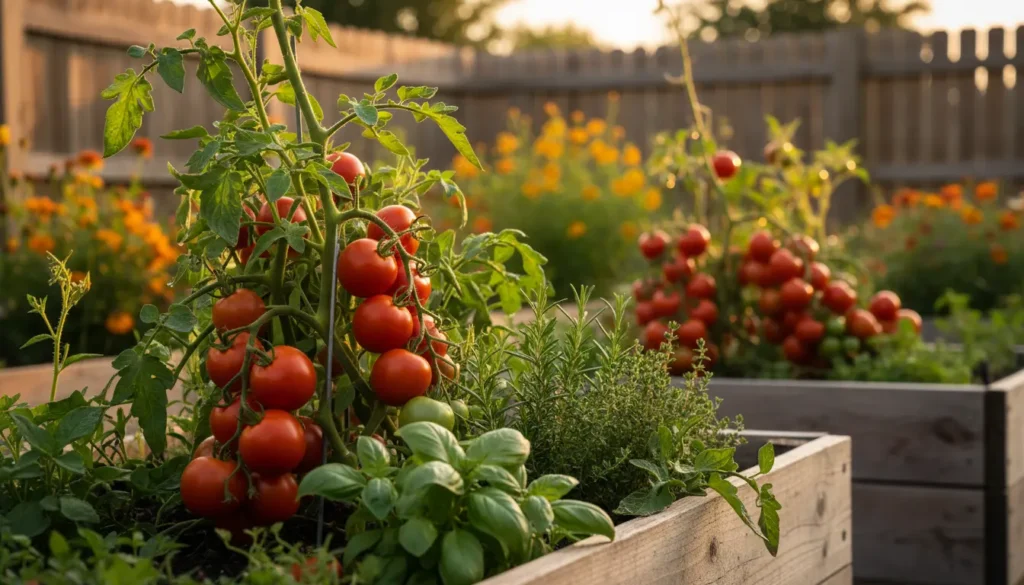
Sarah started a 10×10 backyard garden using two raised beds. She chose tomatoes, bush beans, lettuce, and radishes for her first season.
By preparing the soil with compost, following a watering schedule, and planting in succession, she harvested salad greens weekly and tomatoes mid-summer. Her grocery bill for fresh produce dropped, and she reported better-tasting vegetables than store-bought.
Simple Seasonal Calendar to Start a Vegetable Garden
- Spring: Prepare beds, plant cool-season crops, start warm-season seedlings indoors.
- Summer: Plant warm-season crops, maintain watering and mulch, harvest continuously.
- Fall: Plant cover crops, harvest remaining produce, clean and amend beds.
Final Tips to Start a Vegetable Garden Successfully
- Start small and expand as you gain experience.
- Keep a garden journal to track planting dates, varieties, and results.
- Learn from mistakes: most problems are solvable with small adjustments.
With careful planning, basic soil preparation, and consistent care, you can start a vegetable garden that provides fresh produce and satisfaction. Begin with a modest plot, observe regularly, and enjoy the learning process.