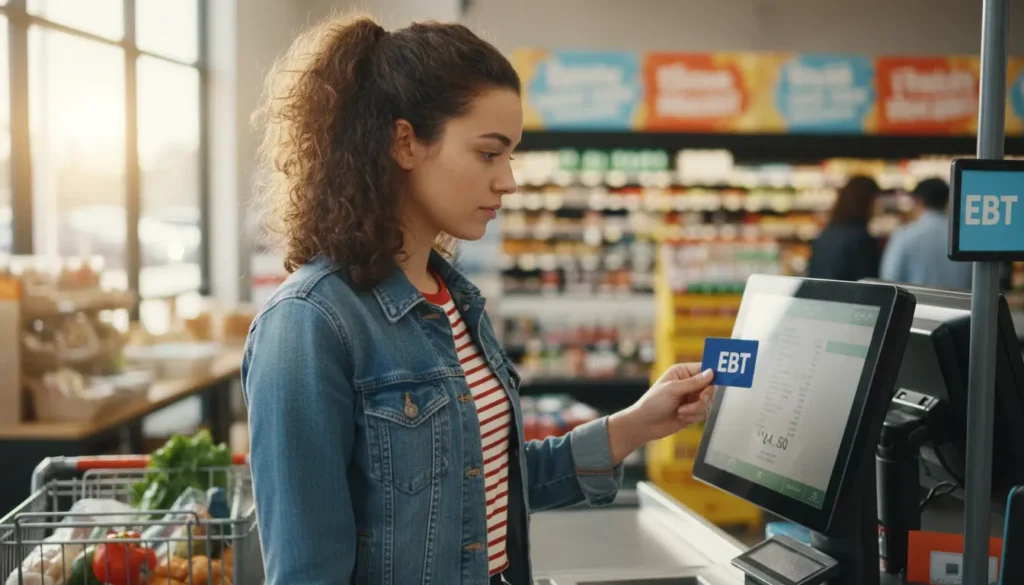
January 2026 brought a set of federal and state updates to the Supplemental Nutrition Assistance Program (SNAP). This article explains the key rule changes, how benefit calculations and eligibility may be affected, and practical steps households can take to confirm or update their benefits.
Overview of January 2026 SNAP changes
The changes in January 2026 include a mix of federal guidance updates and state-level policy adjustments. Some changes are nationwide guidance from the USDA, while others are how individual states implement work rules, eligibility, and outreach.
This guide highlights what changed, who is likely affected, and what applicants or current recipients should do now.
Key new rules and policy updates
Several themes appear across state notices and federal guidance in January 2026. These are the main practical changes to watch for.
- Work requirement enforcement: Several states resumed or tightened ABAWD (able-bodied adults without dependents) work and participation requirements. Expect stricter verification and case reviews in affected states.
- Benefit adjustments: USDA issued cost-of-living updates that led to modest increases in maximum allotments for many household sizes. Exact increases vary by federal updates and state implementation.
- Streamlined enrollment for seniors and disabled: Many states expanded simplified reporting or categorical eligibility pathways for elderly and disabled households to reduce paperwork and speed renewals.
- Online purchasing and vendor changes: More authorized retailers accept EBT online in more regions, and some state pilots expanded support for third-party delivery options.
- Documentation flexibility: During January rollouts some states allowed alternative forms of proof for identity and income to prevent gaps in coverage while people obtain standard documents.
What the work rule changes mean
If you are an ABAWD (generally age 18–49 without dependents), several states reactivated time limits or stricter participation checks in January 2026.
That usually means recipients must:
- Work, participate in a qualifying employment program, or meet the allowed exemption to avoid benefit time limits.
- Report hours and provide evidence of employment or program participation on a regular schedule set by the state agency.
How benefits were updated
USDA cost updates commonly change the maximum monthly allotment for each household size. In January 2026 those allotments were adjusted; states published new benefit tables and communicated individual changes through notices.
Remember that actual benefits are calculated based on the household’s net income and the state’s maximum allotment for the household size.
Who qualifies now under the updated rules
SNAP eligibility still follows core categories: low-income households, seniors and people with disabilities, some noncitizens who meet specific immigration criteria, and households with children.
Key points to confirm current eligibility:
- Check whether your state’s gross and net income limits have changed. States post updated charts online or at local offices.
- Review asset/resource rules in your state. Several states use waivers that affect asset counting for certain groups.
- Confirm if ABAWD work rules apply to you and what exemptions your state recognizes (pregnancy, disability, caregiving, enrollment in a qualifying training program, etc.).
Student rules and special groups
Students must still meet specific exemptions to qualify for SNAP. In January 2026 some states expanded outreach to identify students who meet work-study, caregiving, or income-based exemptions.
If you are a college student, contact your state SNAP office to confirm whether new outreach or simplified documentation applies to you.
SNAP benefit formula uses the household’s net income and the state’s maximum allotment. A common calculation is: benefit = maximum allotment for household size minus 30% of the household’s net monthly income. Use this to estimate your new benefit after January 2026 updates.
Practical steps to check your status and apply
Follow these steps to confirm how January 2026 changes affect you or your household.
- Visit your state SNAP agency website for the latest benefit tables, income limits, and ABAWD rules.
- Log into your existing SNAP online account or call your local office to check notices and upcoming recertification dates.
- Gather documents: proof of identity, recent pay stubs, rent or mortgage receipts, utility bills, and proof of any disability or dependent care expenses to claim deductions.
- If denied or reduced, request a fair hearing and ask your caseworker if temporary alternatives are available while you provide missing documents.
Tips for faster processing
- Submit clear copies of documents and follow file format instructions on state portals.
- Ask if your state offers expedited service in emergencies (short-term help for very low-income households or those facing immediate food shortages).
- Use local community organizations and legal aid for help with appeals or complicated documentation.
Short case study example
Maria is a single parent of two who checks benefits after her state published the January 2026 SNAP allotment table. Her household net monthly income is $1,200 after allowed deductions. For illustration only, if the new maximum allotment for her household size is shown as $800, the SNAP estimate uses the formula: benefit = 800 minus 30% of 1,200 (which is 360). Maria’s estimated monthly benefit would be 800 – 360 = 440.
This example is illustrative. Always use your state’s official maximum allotment for exact benefit calculations.
Where to get reliable help
Trusted sources include your state SNAP office, local food banks, community action agencies, and legal aid organizations. These groups can help with applications, document collection, and appeals.
Because many January 2026 actions were implemented at the state level, contacting your state office is the fastest way to get accurate, binding information for your situation.
Final checklist after the January 2026 changes
- Confirm if your state reactivated ABAWD work requirements.
- Review any notice about a change in your maximum allotment or benefit calculation.
- Update your application with any new documentation requested by your caseworker.
- Ask about online EBT purchasing options if you rely on grocery delivery or online shopping.
If you have specific questions about your case, provide your state and household size when you contact your SNAP office. That information helps caseworkers and advisors give precise next steps under the January 2026 changes.