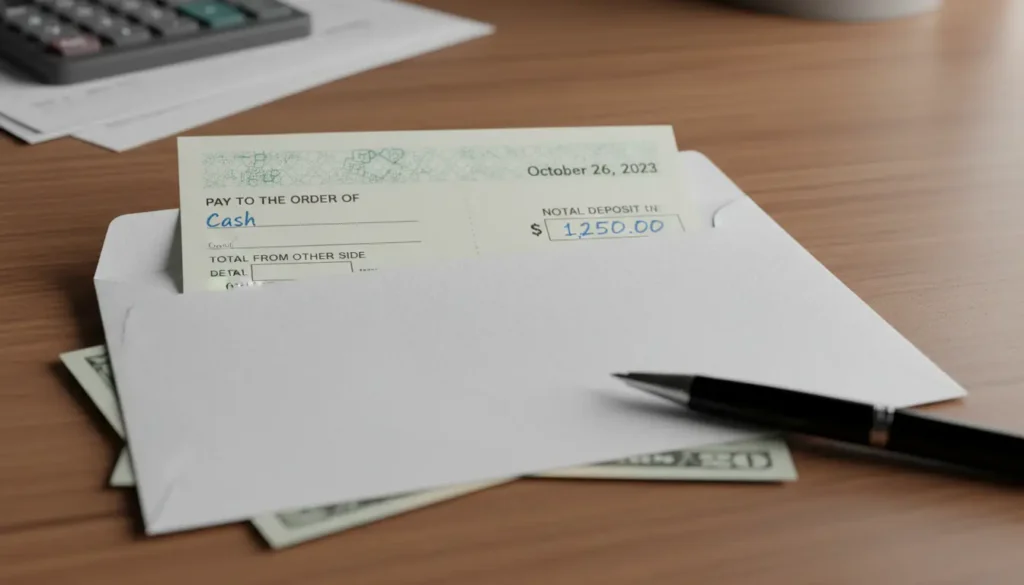
Overview of 2000 IRS Deposits Starting January 2026
If you are named as a beneficiary for a $2,000 IRS deposit beginning January 2026, this guide explains what to expect and the steps you should take. The guidance covers verification, timing, tax considerations, and common issues.
Who might receive a 2000 IRS deposit
Beneficiaries could include individuals designated on an account, heirs who inherit funds, or people eligible under a specific federal program that authorizes deposits. Check the official IRS notice or your beneficiary paperwork to confirm eligibility.
How to Verify a 2000 IRS Deposit Starting January 2026
Confirming the deposit requires careful review of official notices and banking records. Watch for an IRS letter or secure online notice before relying on the payment.
- Check mail and your IRS online account regularly for a deposit notice.
- Compare the deposit date with bank statements and transaction descriptions.
- Confirm the deposit amount matches $2,000 and the IRS is identified in the description.
Steps to confirm identity and eligibility
Follow these steps to make sure you are the intended beneficiary and that the deposit is legitimate.
- Match the IRS notice number and payment trace number with bank records.
- Contact the IRS only through official channels listed on IRS.gov if you have questions.
- Do not provide personal information over email or phone calls that you did not initiate.
Timing and Account Setup for the 2000 IRS Deposits
The payments are scheduled to begin in January 2026 and may be distributed in waves based on processing groups. Expect timing differences depending on your bank and the IRS payment schedule.
How deposits typically arrive
Most deposits will post as direct deposits to the bank account on file. If the IRS does not have bank information, a paper check may be mailed, which takes longer to arrive.
- Direct deposit: usually posts overnight on the scheduled date.
- Paper check: allow additional 7–21 business days for delivery.
- Updated bank info: changes close to the release date may not be processed in time.
What to Do If You Receive a Deposit
If you receive a $2,000 deposit and you expect it, confirm the payment source and keep documentation. If you are unsure, act cautiously and verify before spending large amounts.
Immediate actions
- Save the bank statement and any IRS notice for your records.
- Log into your IRS account to see payment details and confirm the reason for the deposit.
- Contact the IRS directly if the payment is unexpected or the description is unclear.
Tax and Reporting Considerations for Beneficiaries
Determine whether the payment is taxable, reportable, or an advance against benefits. Tax treatment depends on the payment’s legal classification and the IRS guidance attached to the deposit.
Common tax scenarios
- Taxable income: some federal payments are taxable and must be reported on the following year’s tax return.
- Non-taxable rebate: the IRS notice will state if the payment is a tax-free rebate or credit.
- Repayments or advances: if the deposit is an advance on future benefits, record the notice for reconciliation.
Problems and How to Resolve Them
Errors can happen. If the payment is incorrect, missing, or posted twice, follow a step-by-step approach to resolve the issue quickly.
Resolution checklist
- Document the discrepancy: note dates, amounts, and reference numbers.
- Contact your bank to confirm posting details and identify any hold policies.
- Contact the IRS using the secure methods listed on IRS.gov and provide documentation.
How to Protect Yourself From Scams
Scammers often use payment news to phish for account details. Protect your Social Security number, bank account, and personal data.
Safety tips
- The IRS will not call to demand immediate payment or ask for bank credentials by phone.
- Never click links in suspicious emails; instead visit IRS.gov directly.
- Report suspicious contacts to the Treasury Inspector General for Tax Administration (TIGTA) and the IRS.
Small Case Study: One Beneficiary Experience
Maria R. received a $2,000 direct deposit on January 18, 2026. She had been notified by mail a week earlier and logged into her IRS account to verify the payment.
Maria saved the IRS notice, matched the trace number with her bank, and set aside the funds pending tax guidance. When she later received a follow-up notice clarifying that the payment was tax-exempt, she used the saved documents to reconcile her records with confidence.
Summary Checklist for Beneficiaries
- Watch for an IRS notice before or after the deposit arrives.
- Verify deposit details with bank statements and IRS trace numbers.
- Keep all documentation for tax and legal purposes.
- Contact the IRS directly if the payment is unexpected or incorrect.
- Protect yourself from phishing and fraud by using only official channels.
This guide aims to help beneficiaries navigate a $2,000 IRS deposit starting January 2026. If you need personalized advice based on your tax or legal situation, consult a qualified tax professional.