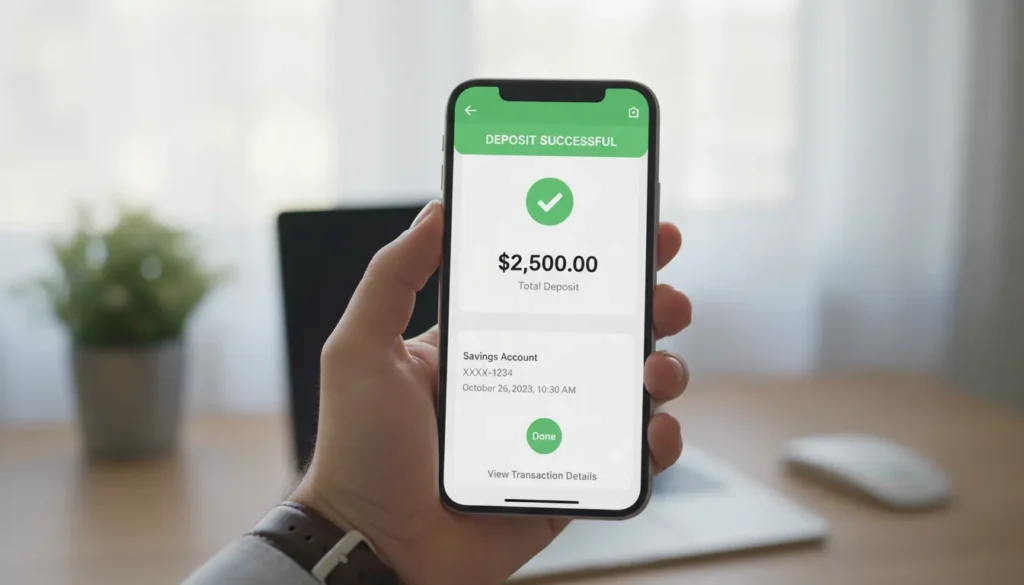
The IRS has announced a direct deposit update related to one-time payments scheduled to begin December 18. This article explains who qualifies, how funds will arrive, and clear steps you can take now to prepare. Read on for eligibility rules, timelines, and a short case study that shows what to expect in real life.
2000 Direct Deposit IRS Update: What to Expect
The IRS will begin sending direct deposit payments starting December 18. Banks and payment processors may take an additional day or two to post funds to accounts, so some recipients may see deposits later the same week.
These payments are delivered electronically when the agency has bank account information on file. Paper checks and prepaid cards will follow for people without direct deposit details.
Payment timeline and delivery
- Direct deposits: Beginning December 18, noted as the earliest payment date.
- Posting time: Banks often show the deposit within 24–48 hours after the payment is sent.
- Checks and cards: Mailed later; expect delays beyond the direct-deposit window.
Eligibility Rules for the $2,000 Direct Deposit
Not everyone will qualify. Eligibility is based on recent tax filings, reported income, and program rules set by Congress and implemented by the IRS.
Common eligibility factors include filing status, adjusted gross income (AGI), and dependency status. The IRS will determine amounts using the latest return or information on file.
Who typically qualifies
- Individuals who filed tax returns for the most recent year used by the IRS to determine eligibility.
- Taxpayers whose AGI falls within the program limits set for the payment.
- People who are not claimed as a dependent on someone else’s return.
Who might not qualify
- Non-filers with no bank or tax records on file (unless they used a non-filer tool earlier).
- People claimed as dependents on another taxpayer’s return.
- Filers with incomes above the allowed thresholds set in the program.
What To Do Now to Prepare for the December 18 Payment
Take simple actions now to avoid delays and ensure the IRS can deliver the payment correctly.
Step-by-step checklist
- Confirm your filing status and that the IRS has a recent tax return on file.
- Verify or update bank account details in your IRS account if available.
- Check your mail and the IRS online portal for any notices about payment eligibility.
- If you didn’t file a return and think you qualify, use the IRS non-filer tools if they are reopened for this payment cycle.
- Keep records: save screenshots or print confirmations after updating details.
How to check payment status
- Use the IRS payment or portal tools: they show whether a payment is scheduled or sent.
- Look for bank alerts or statements around December 18–20.
- Contact the IRS only if portals indicate an error after the posted payment date to avoid long hold times earlier than necessary.
Direct deposits are faster because the IRS uses banking data from your most recent tax return or other records. If you updated your bank after filing, the IRS may still use the old account unless you updated it in their system in time.
Common Problems and How to Fix Them
Some recipients see delays or returns. Address these common issues quickly to avoid missing the payment.
Returned or rejected payments
- Wrong account information: Update your IRS account or contact the IRS for instructions.
- Closed bank accounts: The bank will return funds; the IRS will mail a check instead but expect delays.
- Fraud or scams: The IRS will not call asking for bank account numbers. Beware of texts or emails requesting personal data.
Small Case Study: How One Family Received the Deposit
Case: Maria is a single parent who filed her taxes in April and had direct deposit on file from past refunds. The IRS scheduled her $2,000 payment for December 18. She received a bank alert late on December 18 and the funds posted the next morning.
What worked: Maria confirmed her bank info in the IRS portal two weeks earlier and monitored her account. When the deposit posted, she set aside funds for rent and utilities without waiting for a mailed check.
If You Don’t Receive a Payment
Don’t panic. Follow a simple sequence to find out why and resolve the issue.
Next steps
- Check IRS online tools for payment status and whether a payment was issued.
- Confirm your bank account was active and able to receive ACH deposits on the payment date.
- If the IRS shows a payment was sent but not received, check with your bank for returns or holds.
- Contact the IRS if you’ve exhausted portal checks and your bank confirms no deposit was accepted.
Preparing now and verifying information will make the difference between receiving a direct deposit on December 18 and waiting weeks for a mailed check. Follow the checklist above and monitor your accounts closely during the December payment window.
If you need a specific check of eligibility or have unique circumstances (non-filer, recent change in household), consider consulting a tax professional to avoid delays and ensure your information is correct before the IRS finalizes payments.