Start Composting at Home with Practical Steps
Home composting is a low-cost way to reduce waste and create nutrient-rich soil for plants. This guide gives clear, step-by-step instructions you can use in a backyard, balcony, or small urban plot.
Why Choose Home Composting
Composting reduces landfill waste and returns organic matter to the soil. It improves soil structure, supports beneficial microbes, and lowers household carbon footprint.
Even small actions like composting kitchen scraps can make a noticeable difference in your garden’s health and in waste reduction over time.
What You Need to Start Home Composting
Starting composting requires a few basic items and a little planning. You do not need expensive equipment to get meaningful results.
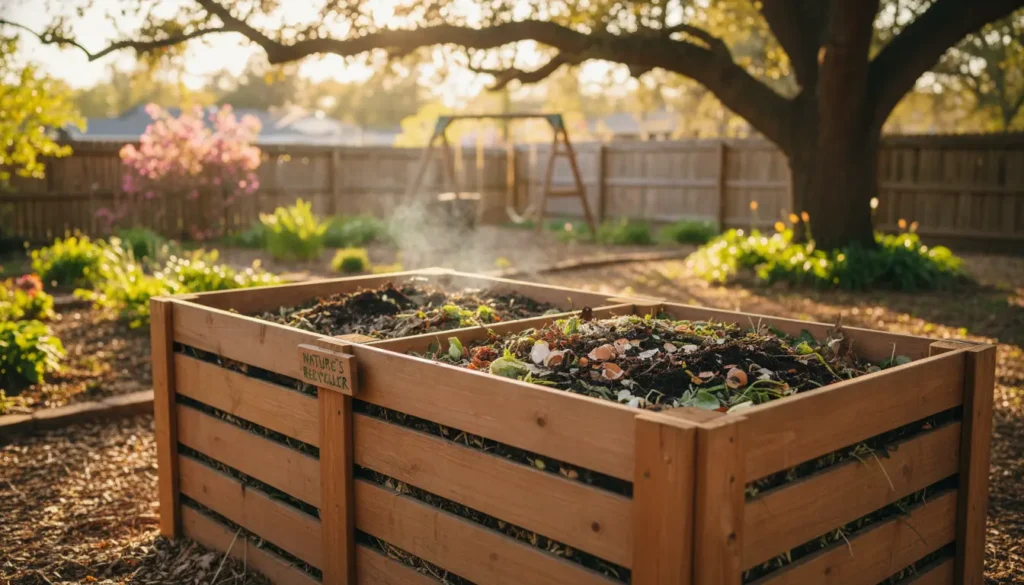
- Compost container or bin (tumbler, stationary bin, or DIY wooden crate)
- Brown materials: dry leaves, shredded paper, cardboard
- Green materials: vegetable scraps, coffee grounds, fresh grass clippings
- Water source and a small pitchfork or turning tool
- Optional: compost thermometer and mesh cover to keep pests out
Choosing a Bin for Home Composting
Select a bin that matches your space and needs. Tumblers speed up decomposition but stationary bins hold larger volumes.
For apartments, use a small worm bin or bokashi system to process food scraps without odor.
Balancing Browns and Greens
Aim for a roughly 3:1 ratio of brown to green materials by volume. This balance helps maintain airflow and supports microbial activity.
If your bin smells, add more brown materials and turn the pile. If it is too dry, add water and more greens.
How to Start Home Composting: Step-by-Step
Follow these practical steps to build your first compost pile and keep it active.
- Pick a spot: Choose a semi-shaded, level area for an outdoor bin or a ventilated corner for indoor systems.
- Layer materials: Start with coarse brown material for drainage, then alternate green and brown layers about 2–4 inches thick.
- Maintain moisture: The pile should feel like a wrung-out sponge. Water lightly during dry spells.
- Turn regularly: Turn the pile every 1–2 weeks to introduce air and mix materials for faster breakdown.
- Monitor temperature: A warm pile (between 120–150°F or 49–65°C) breaks down materials faster. Adjust greens and browns to keep heat active.
- Harvest finished compost: After 2–6 months (depending on conditions), sift and use the dark, crumbly finished compost in pots, beds, or topdressing lawns.
Troubleshooting Common Problems in Home Composting
Problems are usually signs you can fix with small adjustments. Here are common issues and solutions.
- Bad smells: Add more brown materials, turn the pile, and ensure proper drainage.
- Pests: Bury food scraps deeper, use a closed bin, and avoid meat or oily foods.
- Slow decomposition: Chop materials smaller, keep the pile moist, and add nitrogen-rich greens.
- Too dry: Water the pile and add fresh green materials to restore moisture.
Practical Tips for Home Composting
Small habits speed results and reduce issues. Adopt these practical routines to keep composting simple.
- Keep a small countertop caddy for daily scraps to avoid delays in adding materials.
- Shred or chop larger items to increase surface area and speed decomposition.
- Mix different types of browns (cardboard, leaves, straw) for better airflow.
- Use finished compost as mulch, potting mix component, or soil amendment to close the loop.
One family can divert up to 200 kilograms of organic waste per year from landfill by composting kitchen and yard waste. Finished compost can retain moisture and reduce garden watering needs by up to 20 percent.
Small Real-World Example: Balcony Composting Case Study
Maria, a city apartment dweller, started a 20-liter worm bin on her balcony. She collected vegetable peels and coffee grounds in a countertop caddy and added them to the bin every 2–3 days.
Within three months, the worm bin produced rich castings which Maria mixed into potted herbs. She reduced her kitchen waste by half and saw improved growth in basil and mint.
Next Steps for Home Composting
Start by choosing a bin and setting up a small system for kitchen scraps. Track moisture and turn the pile routinely to speed results.
Join a local gardening group or online forum to share tips and ask questions. Composting is practical, scalable, and effective for gardeners at any level.
Quick checklist to begin:
- Choose bin type (tumbler, bin, worm, bokashi)
- Gather brown and green materials
- Set a regular turning and maintenance schedule
- Harvest and use finished compost on plants
With small, consistent steps you can turn everyday organic waste into a valuable resource for your home garden.