How to Start a Vegetable Garden: Plan Your Space
Starting a vegetable garden begins with planning. Decide the size, location, and type of garden you want before buying supplies.
Consider sun exposure, accessibility, and proximity to water. Most vegetables need at least 6 hours of direct sun daily.
Choose a Garden Type
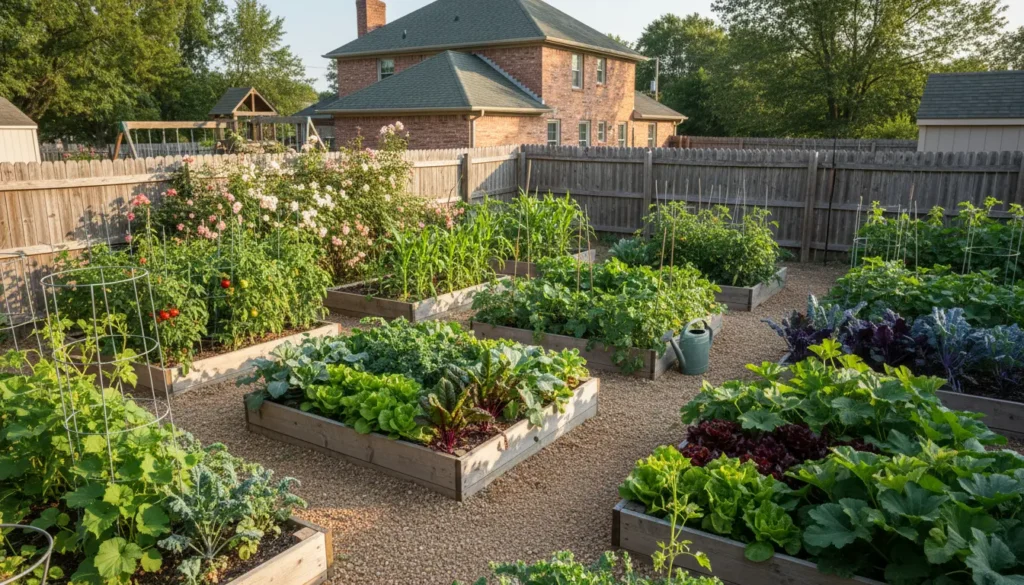
Select the format that fits your space and time: in-ground beds, raised beds, or container gardening. Each has pros and cons for soil control and maintenance.
Raised beds warm faster and drain well, while containers are ideal for small patios and balconies.
How to Start a Vegetable Garden: Test and Improve Soil
Healthy soil is the foundation of a productive vegetable garden. Test soil pH and nutrients using a simple kit or local extension service.
Amend soil with compost and organic matter to improve texture and fertility. Aim for loose, crumbly soil that drains well.
Simple Soil Improvement Steps
- Remove weeds and grass from the bed area.
- Mix at least 2–4 inches of compost into the top 6–8 inches of soil.
- Add balanced organic fertilizer if a soil test shows nutrient deficits.
How to Start a Vegetable Garden: Select Plants and Timing
Choose vegetables suited to your climate and season. Start with easy crops to build confidence and success.
Good beginner vegetables include lettuce, radishes, carrots, beans, and tomatoes. Check your local last frost date for planting timing.
Seed vs. Seedlings
Sow seeds for crops like carrots and peas where direct sowing works best. Buy seedlings for tomatoes, peppers, and herbs to get a head start.
Label rows and keep a simple planting calendar to track sowing and harvest dates.
How to Start a Vegetable Garden: Planting and Spacing
Proper spacing reduces disease and allows plants to reach full size. Follow seed packet or plant tag spacing recommendations.
Use companion planting principles to pair compatible crops and reduce pest pressure. Avoid crowding to improve air flow.
Example Planting Layout
- Tomatoes: 18–24 inches apart in rows 3 feet apart.
- Lettuce: 6–12 inches apart in succession rows.
- Beans: 2–4 inches apart; consider trellises for pole beans.
How to Start a Vegetable Garden: Watering and Mulching
Consistent watering is essential for seedlings and fruiting crops. Water deeply and less often to encourage strong roots.
Apply 1–2 inches of mulch to conserve moisture, suppress weeds, and moderate soil temperature.
Watering Tips
- Water in the morning to reduce evaporation and fungal risk.
- Use drip irrigation or soaker hoses for efficient, targeted watering.
- Check soil moisture by feeling 2–3 inches below the surface.
How to Start a Vegetable Garden: Pest and Disease Basics
Monitor plants weekly for chewing insects, yellowing leaves, or spots. Early detection makes control easier.
Start with non-chemical strategies: hand-pick pests, use row covers, and encourage beneficial insects like ladybugs and lacewings.
Integrated Pest Management Steps
- Rotate crops yearly to reduce soil-borne diseases.
- Remove and compost diseased plant material promptly.
- Use organic sprays only when necessary and follow label directions.
How to Start a Vegetable Garden: Harvesting and Storage
Harvest vegetables at peak ripeness for best flavor and nutrition. Frequent harvesting also encourages more production for some crops.
Learn storage needs: leafy greens keep best refrigerated, while root crops last longer in cool, dark places.
Simple Harvesting Tips
- Pick tomatoes when firm and colored for the best taste.
- Harvest beans and peas young for tenderness.
- Cut herbs in the morning when oils are strongest.
Case Study: Small Raised Beds, Big Results
A community member converted a 10×10 foot unused yard into four 4×2 foot raised beds. They focused on tomatoes, lettuce, beans, and herbs in year one.
Using compost, drip irrigation, and regular weeding, they harvested continuous salad greens and salsa tomatoes through the growing season. The beds required about 20 minutes of maintenance three times a week.
How to Start a Vegetable Garden: Quick Checklist
- Choose a sunny site and select a garden type (raised, in-ground, container).
- Test soil and add compost or amendments as needed.
- Pick easy crops and plan planting times around your frost dates.
- Use proper spacing, water deeply, and mulch to retain moisture.
- Monitor for pests, rotate crops, and harvest regularly.
Final Notes on How to Start a Vegetable Garden
Start small and expand as you gain experience. A manageable plot reduces overwhelm and increases the chance you’ll maintain the garden long term.
Track what works in a notebook—plant varieties, dates, and yields. Over time you will refine your approach and enjoy steady improvements.