What is Home Composting for Beginners
Home composting for beginners means turning kitchen scraps and yard waste into a usable soil amendment. It is a natural recycling process that reduces waste and improves garden soil.
This guide explains the simple steps, common choices, and troubleshooting tips so you can start composting with confidence.
Why Start Home Composting
Composting reduces landfill waste and cuts household carbon output. It also produces nutrient-rich compost that improves soil structure and plant health.
Beginners often see benefits within a few months and gain steady supplies of homemade compost for lawns, pots, and garden beds.
Basic Principles of Home Composting for Beginners
Composting depends on three main elements: carbon, nitrogen, and air. Balance and regular care will keep the pile active and odor-free.
- Carbon (brown materials): dried leaves, straw, shredded paper.
- Nitrogen (green materials): vegetable scraps, fresh grass clippings, coffee grounds.
- Air and moisture: minerals for microbes—keep the pile damp but not soggy and turn occasionally.
Choosing a Compost System
Choosing a system depends on space, budget, and how quickly you want compost. There are simple and low-cost options for beginners.
Compost Bin Types
- Tumbler bins: enclosed, rotate to mix, work faster and reduce pests.
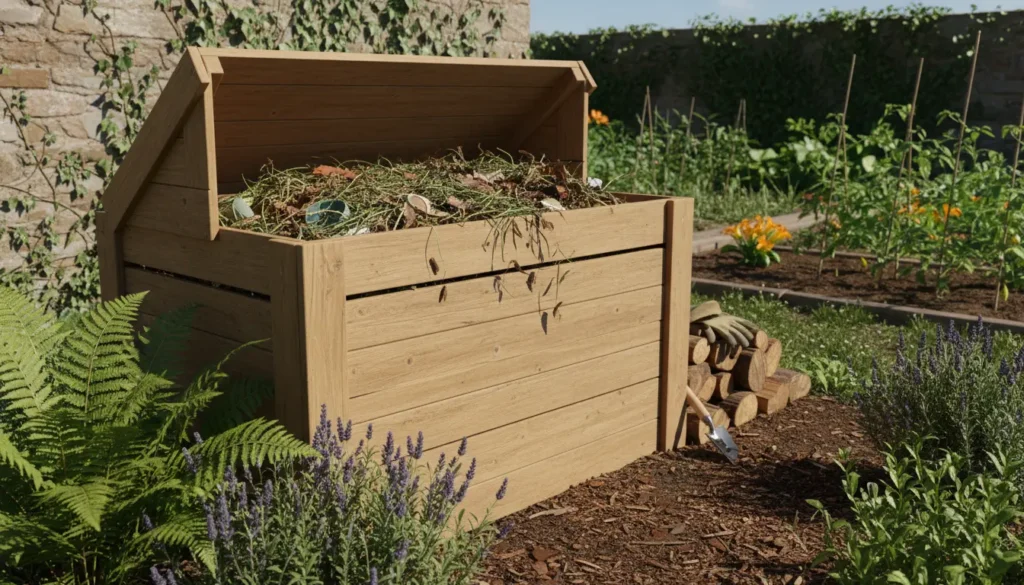
- Stationary bins: plastic or wooden, good for larger volumes and longer composting cycles.
- Open compost pile: cheapest, best if you have space and want larger batches.
Step-by-Step Start for Home Composting for Beginners
Follow these steps to set up a simple and effective compost system at home.
- Pick a location: a level, partially shaded spot near water access is ideal.
- Choose a bin: select a size that matches your household waste and yard debris.
- Layer materials: start with coarse brown material for drainage, then alternate green and brown layers.
- Maintain moisture: aim for a damp sponge consistency by adding water when dry.
- Turn periodically: turn or aerate the pile every 1–2 weeks to speed decomposition.
What to Compost and What to Avoid
Knowing safe items avoids pests and odors. Many common household items are compostable, but some should be kept out.
Safe Items to Compost
- Vegetable and fruit scraps, coffee grounds, tea bags.
- Yard trimmings, leaves, grass clippings in moderation.
- Shredded paper, cardboard (avoid glossy ink), sawdust from untreated wood.
Items to Avoid
- Meat, dairy, and oily foods (attract pests and cause odors).
- Diseased plants, invasive weeds with seeds, treated wood products.
- Pet feces and human waste should not be added to garden compost.
A typical household can divert about 30 percent of its waste to composting, reducing garbage volume and cutting disposal costs.
Tips to Speed Up Composting
Beginners can use practical techniques to get usable compost faster. Small changes make a big difference in activity.
- Shred or chop materials to increase surface area and speed decomposition.
- Maintain a 2:1 or 3:1 ratio of brown to green materials to avoid smells.
- Turn the pile more often during warm months to keep oxygen flowing.
- Use a compost starter or a handful of finished compost to introduce microbes.
Troubleshooting Common Issues
If the pile smells or does not break down, identify the likely cause and adjust. Most problems have simple fixes.
- Smelly compost: add more brown material and turn to add air.
- Slow decomposition: chop materials finer and add moisture if dry.
- Pests: avoid putting meat or dairy in the pile and use a closed bin if needed.
Small Real-World Case Study
Case study: Sarah, a homeowner in Portland, started home composting after moving into a house with a small backyard. She chose a 60-gallon tumbler and began adding kitchen scraps and yard trimmings.
Within four months she had enough compost to feed two raised beds. Her tomatoes became more productive and the household reduced its food waste by an estimated 25 percent. Regular turning and a mix of shredded leaves and vegetable scraps kept the bin odor-free.
Using Finished Compost
Finished compost is dark, crumbly, and smells earthy. Use it as a soil amendment, top dressing, or potting mix ingredient.
- Work 1–2 inches into garden beds before planting to improve soil structure.
- Top dress lawns or add to potted plants for slow nutrient release.
- Mix with native soil at a 1:3 ratio for new planting holes.
Final Checklist for Home Composting for Beginners
- Choose an appropriate bin and location.
- Balance brown and green materials and keep the pile moist.
- Turn the pile regularly and monitor for pests or odors.
- Harvest finished compost when it is dark and crumbly.
Home composting for beginners is a practical, low-cost way to reduce waste and improve garden health. Start small, learn by doing, and adjust as you gain experience.