Why Start a Home Vegetable Garden
Starting a home vegetable garden gives you fresh produce, lowers grocery costs, and connects you to the food you eat. It also suits small yards, balconies, or even containers for apartment living.
Plan Your Home Vegetable Garden
Begin with a simple plan that matches your space and time. Decide whether you will use in-ground beds, raised beds, or containers.
Choose the Right Location for a Home Vegetable Garden
Select a spot that gets at least 6 hours of direct sunlight daily. Consider proximity to water and ease of access for planting and harvesting.
Size and Layout Tips
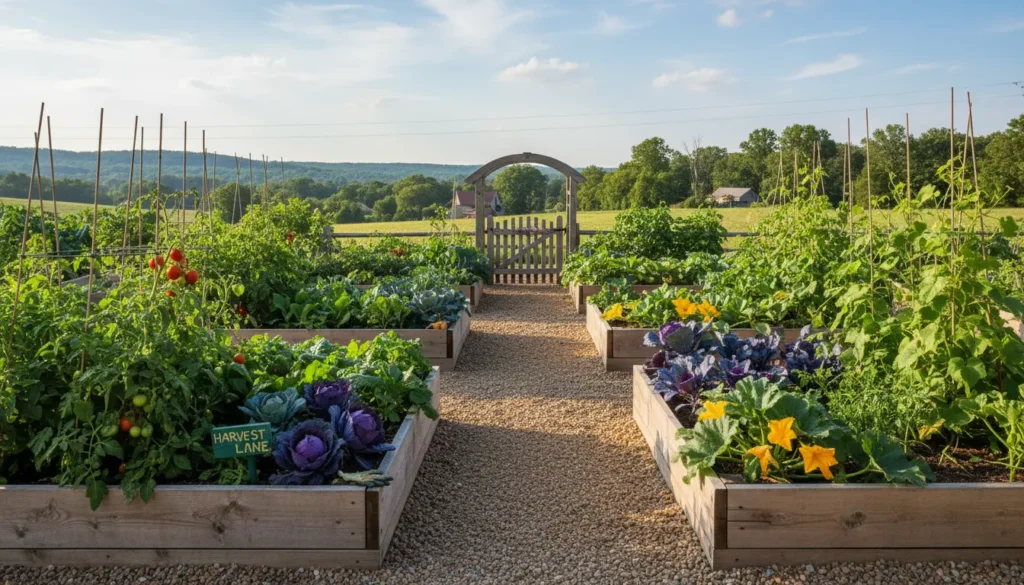
Start small: a 4×4 or 4×8 raised bed is manageable for beginners. Use paths or edge containers so you can reach all plants without compacting soil.
Soil and Compost for a Home Vegetable Garden
Good soil is the foundation of productive plants. Aim for a loose, well-draining mix rich in organic matter.
Amend existing soil with compost or use a commercial potting mix for containers. Test the soil pH if possible; most vegetables prefer pH 6.0–7.0.
What to Plant First in a Home Vegetable Garden
Choose crops that are easy and rewarding for beginners. Fast-growing, forgiving plants build confidence and provide quick harvests.
- Leafy greens: lettuce, spinach, arugula
- Root vegetables: radish, carrots, beets
- Nightshades: cherry tomatoes, peppers (in containers or warm climates)
- Legumes: bush beans, snap peas
Planting and Spacing in a Home Vegetable Garden
Follow seed packet or plant tag spacing for best results. Overcrowding reduces air flow and increases disease risk.
Use succession planting: stagger sowing times to keep a continuous harvest through the season. For example, sow lettuce every 2–3 weeks.
Watering and Feeding Your Home Vegetable Garden
Water consistently; most vegetables need about 1 inch of water per week. Water at the base of plants to keep leaves dry and reduce fungal issues.
Fertilize based on soil needs. A balanced organic fertilizer applied at planting and mid-season supports steady growth in most home gardens.
Pest and Disease Management in a Home Vegetable Garden
Monitor plants weekly for pests and signs of disease. Early detection makes control easier and less chemical-dependent.
- Use row covers to protect young crops from insects.
- Handpick larger pests like slugs and caterpillars.
- Encourage beneficial insects with flowering herbs and native plants.
Maintenance Tasks for a Home Vegetable Garden
Regular tasks include weeding, mulching, trellising, and checking irrigation. Mulch conserves water and suppresses weeds around plants.
Prune indeterminate tomatoes and remove dead foliage to keep plants productive and reduce disease pressure.
Harvesting and Storing from a Home Vegetable Garden
Harvest vegetables when they are ripe for the best flavor and nutrition. Frequent harvesting can encourage continued production in many crops.
Store produce properly: leafy greens in cool, moist conditions and root vegetables in a dark, cool place to extend shelf life.
Small Real-World Case Study
Case: A two-person household in a small city yard converted a 4×8 raised bed and three large containers into a vegetable garden. In the first year they grew lettuce, cherry tomatoes, bush beans, and carrots.
Results: They harvested fresh greens weekly, got a steady supply of tomatoes mid-summer, and reduced store-bought salad greens by half. The garden required about 30 minutes of care three times per week.
Common Mistakes and Quick Fixes for a Home Vegetable Garden
Mistake: Overwatering or underwatering. Fix: Check soil moisture with your finger — water when the top 1–2 inches are dry.
Mistake: Poor light choice. Fix: Move containers or focus on shade-tolerant crops for low-light spots.
Conclusion: Keep It Simple and Learn
Start with a small, well-located garden and a few easy crops. Track what works and adjust next season based on your results.
Gardening is practical and iterative; each season teaches something new about soil, weather, and what your household eats most.