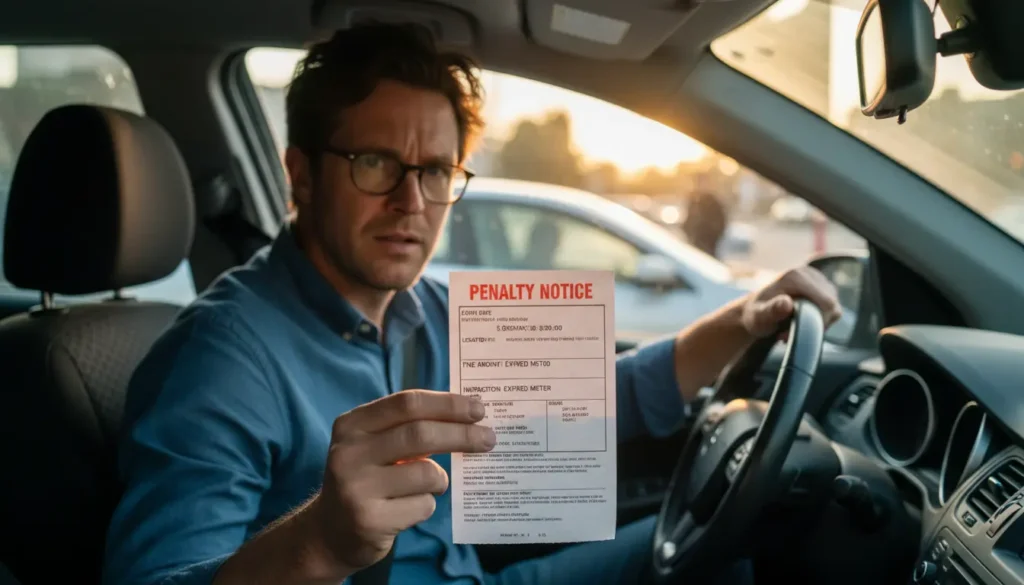
The new January driving law now adopted across all 50 states raises penalties for a set of traffic offenses and adds clearer enforcement rules. This article explains how the law works, what the jail time and 1500 dollar fines mean, and practical steps drivers can take to avoid or respond to charges.
About the New January Driving Law in All 50 States
States coordinated to implement a uniform approach to certain moving violations beginning in January. The changes focus on penalties, recordkeeping, and enforcement priorities for violations that put public safety at risk.
The law is not identical in every state, but key elements are consistent: specified offenses can carry short jail terms and fines up to 1500 dollars. The purpose is to increase deterrence while allowing courts flexibility for lower-level cases.
Which Offenses Trigger Jail Time and 1500 Dollar Fines
States typically apply these enhanced penalties to violations that are repeat or aggravated. Examples include repeated distracted driving, driving without a required license, or violations that cause serious risk of harm.
Not all routine traffic tickets will lead to jail. Most first-time, low-risk infractions remain civil citations or small fines, while the new penalties apply to situations the law lists as aggravating.
Common features across states
- Maximum fines set up to 1500 dollars for covered offenses.
- Short jail terms for aggravated or repeat violations, often counted in days rather than months.
- Discretion for judges to reduce penalties based on circumstances such as first-time status, ability to pay, or completion of safety programs.
Jail Time and 1500 Dollar Fines: What to Expect
When the new law applies, courts can impose jail time and fines together. Jail terms are usually brief and intended as a penalty for higher-risk behavior or repeat offending.
Fines reaching 1500 dollars are often the statutory maximum. Many cases result in lower penalties depending on the facts and the defendant’s record.
How penalties are calculated
- Base fine determined by statute for the specific offense.
- Additional assessments and court costs may increase the total beyond the base fine.
- Judges may set jail time based on prior convictions, severity, and mitigating factors.
Exemptions, Alternatives, and Mitigations
Most states include alternatives to jail and full fines for eligible drivers. These alternatives aim to reduce jail populations and give options for rehabilitation.
Common alternatives include community service, probation, traffic safety classes, and payment plans for fines. Eligibility varies by state and by the offense severity.
Who may avoid jail or the maximum fine
- First-time offenders in many jurisdictions.
- People who complete court-ordered driving programs.
- Low-income individuals may request reduced fines or payment plans.
Some states allow drivers to substitute community service or approved safety courses for short jail terms under the new law.
Practical Steps If You Get Cited Under the New January Driving Law
Receiving a citation that may carry jail time or a 1500 dollar fine is stressful. Acting quickly and calmly gives you the best chance to limit consequences.
Step-by-step checklist
- Read the citation carefully to understand the specific charge and the court date.
- Contact the court or a traffic attorney before your hearing to learn options like mitigation, diversion, or plea deals.
- Ask about eligibility for traffic school, community service, or payment plans to reduce or avoid jail time.
- Collect evidence or witnesses that show mitigating circumstances (e.g., vehicle maintenance records or proof of compliance).
- Check whether your state offers a pretrial diversion program that removes the charge upon successful completion.
Real-World Example: Short Case Study
Maria, a delivery driver, received a citation in January after police stopped her twice for a distracted-driving violation under the new law. Because it was a repeat offense within a year, the county charged her under the enhanced penalty provisions.
At her first court appearance, Maria accepted a plea that required completion of an approved driving safety course and community service. The judge suspended a short jail term and reduced the fine to 400 dollars, with the balance waived after course completion.
This case shows how early legal guidance and willingness to complete court-ordered programs can significantly reduce jail exposure and overall cost.
How This Affects Insurance and Your Driving Record
Convictions under the new rules can impact insurance premiums and driving records. Insurers may view aggravated violations as higher risk, which can raise rates.
Points on a license, license suspension, and administrative penalties vary by state. Check your state DMV rules to understand long-term consequences.
When to Hire an Attorney
Consider hiring a traffic or criminal defense attorney if you face possible jail time or maximum fines. An attorney can negotiate plea agreements, identify procedural defenses, and help gather mitigating evidence.
If the charge carries a mandatory minimum or if you have prior convictions, legal representation is strongly recommended.
Key Takeaways
- The new January driving law across all 50 states increases penalties for certain aggravated or repeat traffic offenses.
- Jail terms under the law are typically short; fines can reach up to 1500 dollars but are often reduced by courts.
- There are alternatives and mitigation options, such as traffic school, community service, and payment plans.
- Respond quickly: read the citation, contact the court or an attorney, and consider eligible diversion programs.
If you are unsure how the law applies in your state or to your situation, contact your local court or a licensed attorney for advice tailored to your case.