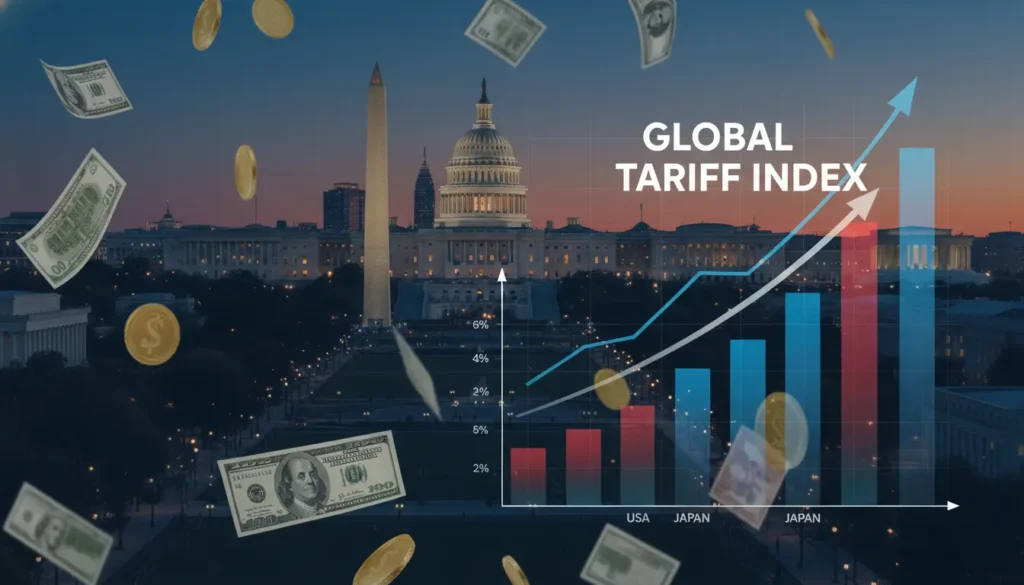
Overview of the 2000 stimulus proposal and tariff link
Discussions about a 2000 stimulus in 2026 have centered on ways to fund direct payments without increasing federal deficits substantially. One proposal that has drawn attention links those payments to higher import tariffs proposed in trade policy plans associated with former President Trump.
This article explains how a tariff-funded stimulus could work, what it might mean for prices and trade, and practical steps households and small businesses can take to prepare.
What is the 2000 stimulus in 2026?
The 2000 stimulus idea refers to direct cash payments of roughly $2,000 per eligible individual or household distributed in 2026. Proponents argue such payments can boost consumer spending and support households facing inflationary pressure.
Funding options vary. One route being discussed is offsetting program costs by raising import tariffs or introducing targeted trade fees, rather than relying solely on new borrowing or tax increases.
How the Trump tariff plan could fund a 2000 stimulus in 2026
Tariffs impose duties on imported goods. Revenue from new or higher tariffs can, in theory, be directed to the Treasury and used to finance spending priorities like direct stimulus payments.
Key elements that would determine feasibility include the size of the tariff, the range of products covered, and whether Congress directs the revenue to a specific fund.
Mechanics of tariff-funded stimulus
- Implementation: The administration can raise tariffs by proclamation or negotiate new trade terms tied to duties.
- Collection: Customs and border agencies collect duties at import. Revenue flows to federal coffers unless otherwise earmarked.
- Allocation: Congress would typically need to approve a budget or appropriation directing tariff receipts to a stimulus fund.
Why tariff revenue may be limited
- Tariff revenue depends on import volumes; if imports fall, receipts fall.
- Higher prices may reduce consumer demand for imported goods, limiting revenue streams.
- Retaliation from trading partners could reduce exports, harming domestic industries and tax collections.
Economic effects and risks of using tariffs for stimulus
Using tariffs to fund direct payments brings trade-offs. It can generate revenue, but it can also raise consumer prices and disrupt supply chains for businesses.
Major risks include inflationary pressure, supply interruptions, and trade retaliation. Policymakers must weigh short-term fiscal benefits against these medium-term costs.
Potential benefits
- Direct revenue to fund payments without immediate tax hikes.
- Political appeal to proponents of stronger trade enforcement.
- Possible protection for some domestic industries competing with imports.
Potential drawbacks
- Higher prices for consumers and businesses that use imported goods.
- Risk of retaliatory tariffs that hurt U.S. exporters.
- Uncertain revenue projections if import patterns change quickly.
Real-world example: Lessons from the 2018 tariffs
In 2018 the U.S. imposed tariffs on steel, aluminum, and a range of Chinese goods. The tariffs raised costs for manufacturers that used imported inputs and led to targeted relief payments for some affected firms.
Case study: A small Midwest metal fabricator saw raw material costs rise after steel tariffs. The company passed some costs to customers, but suffered margin pressure and temporary layoffs until supply sources adjusted.
Timeline and steps to expect for a tariff-funded 2000 stimulus in 2026
If a tariff plan is intended to fund a 2000 stimulus, the process generally follows several steps and can take months to implement.
- Policy announcement and detail release by the administration.
- Regulatory steps to set tariff rates or new duties.
- Congressional action to appropriate revenue or approve offsets.
- Customs collection and reconciliation to estimate expected receipts.
- Distribution of stimulus payments once funding and eligibility rules are set.
What to watch in official signals
Look for three concrete signals: the specific tariff schedule, revenue estimates from the Treasury or CBO, and any enabling legislation or appropriations language from Congress.
Also watch trade partner responses. Early announcements often trigger negotiations or retaliatory measures that change the fiscal math.
How households and small businesses can prepare
Preparation reduces risk and uncertainty. Households can budget for potential price increases in imported goods like electronics, clothing, and some food items.
- Review monthly budgets and identify flexible expenses.
- Buy nonperishable goods now if prices are likely to rise.
- Small businesses should evaluate supplier chains and price sensitivity.
- Consider alternative suppliers or domestic sources where feasible.
Practical tips for policymakers and advocates
Policymakers should demand clear revenue estimates and contingency plans for retaliation. Advocates can press for targeted relief or exemptions for manufacturers that rely on imported inputs.
Transparent rules on how tariff revenue is allocated will be essential to maintain public trust and effective implementation.
Summary: What to expect about the 2000 stimulus and Trump tariff plan
A 2000 stimulus funded by tariffs is possible but complex. Tariffs can raise revenue, yet they introduce economic side effects that can undercut the intended benefits of direct payments.
Track official proposals, revenue analyses, and legislative language. Prepare for higher prices in some categories and review supplier options if you run a small business. The final outcome will depend on policy details and trade responses that evolve over time.