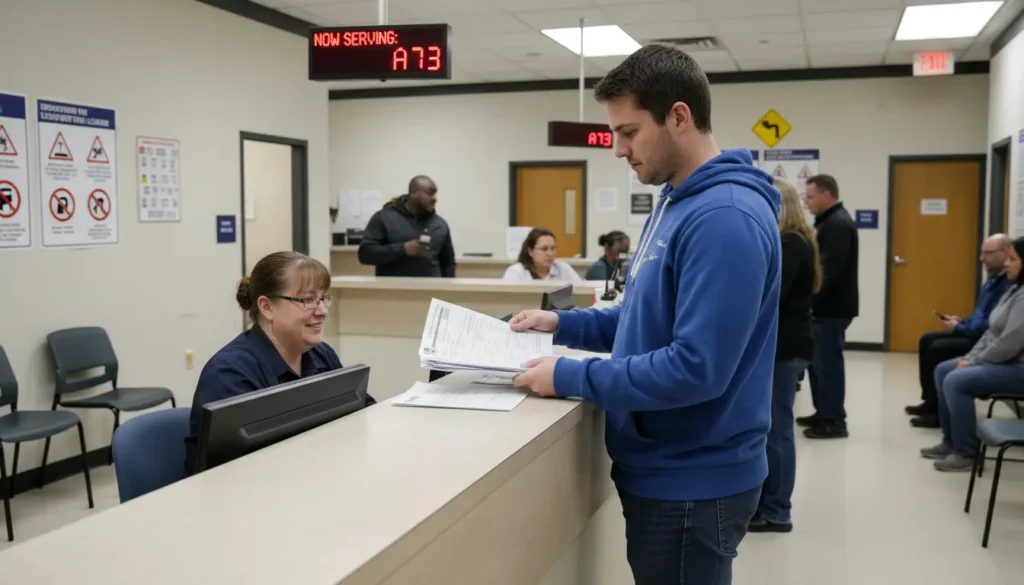
State and federal agencies have introduced new rules affecting U.S. driving licenses that come into effect on January 27, 2025. This article explains the main changes, who must act, and clear steps to prepare before you visit the DMV.
U.S. Driving License Changes 2025 – New Rules Come Into Effect on January 27
The rules that take effect on January 27 affect identity verification, document requirements, and the way renewals are processed in many states. Some changes focus on stricter proof of identity and residency while others add new options like digital credentials.
Even if your state implements changes differently, the practical steps below apply to most drivers. Use this as a checklist before you renew or apply for a license.
Who is affected by the U.S. Driving License Changes 2025
Not everyone will see the same impact. The main groups affected include:
- First-time applicants who must show more original documents for identity and lawful presence.
- Older drivers and people with expiring licenses required to renew under new identity checks.
- People seeking a REAL ID or travel-compliant credential for federal facilities and flights.
- Applicants using online renewal systems who may need to supply additional digital identity proofs.
Key changes explained
Below are practical descriptions of common changes you will see in many states. Confirm specific rules with your local DMV before you go.
- Stricter identity and residency documents — Agencies are standardizing which original documents are required. Expect to show certified birth certificates, passports, Social Security numbers, and two proofs of residency in some cases.
- REAL ID and travel enforcement — Many states are tightening the process to obtain a REAL ID-compliant card. If you plan to use a state license for air travel or entering federal facilities, check whether the new documentation is required.
- Enhanced remote verification — Online or kiosk renewals may require live photo verification or secure ID apps. Prepare to complete short identity checks when renewing remotely.
- Digital license options — Some states will expand official mobile wallet or app-based driver’s license options. These are optional and involve an extra verification step.
- Updated fees and timelines — Fee structures and processing times may change. Expect possible adjustments in renewal fees or document processing windows.
Practical checklist before January 27
Use this checklist to avoid surprises at the DMV. Bring originals, not copies, unless your state explicitly accepts scans.
- Valid U.S. passport or certified birth certificate (original or certified copy).
- Social Security card or W-2 showing full SSN.
- Two proofs of current residential address (utility bill, lease, bank statement).
- Current driver’s license or ID card, if renewing in person.
- Payment method for fees; check accepted forms at your DMV.
How to prepare for the new verification steps
Plan ahead: DMVs are likely to see higher demand near the effective date. Make an appointment if your state allows it and confirm what documents are required online.
- Scan or photograph originals and keep them in a secure folder in case you need to upload them for online services.
- If your name changed, carry certified marriage or court records to prove the change.
- For digital license options, download the official state app ahead of time and follow its identity setup process.
Some states allow provisional appointments and pre-checks online so a DMV clerk can confirm your paperwork before you arrive. This can reduce wait times and repeated visits.
Case study: One family’s quick renewal
Maria, a teacher in a midwestern state, needed to renew her license in late January. She checked the DMV website a week earlier and found a new requirement for two residency proofs. She scheduled an appointment, brought a utility bill and lease, and updated her REAL ID online before the visit. The DMV completed the renewal in 20 minutes, and she received a temporary card by email while the new card was mailed.
This real-world approach saved time and avoided a second trip for document proof.
Common questions and short answers
- Do I have to get a REAL ID? No, REAL ID is optional unless you want to use your license for air travel or to access certain federal facilities. Check specific travel plans before deciding.
- Will my old license remain valid? Yes, usually your current license stays valid until its listed expiration. But check state announcements for exceptions or early enforcement periods.
- Can I renew online? Many states still allow online renewals, but extra verification steps may be required after January 27. Prepare scanned documents or be ready for live photo checks.
Where to get reliable, up-to-date information
Always check your state DMV website first for official announcements and appointment systems. Federal pages about identity rules and REAL ID can also explain federal requirements for travel and access.
If you have unusual circumstances—such as name changes, recent immigration paperwork, or lost Social Security documentation—contact the DMV by phone or email before your visit to confirm accepted documents.
By preparing documents, scheduling appointments, and confirming state-specific rules, you can avoid delays and meet the new requirements that come into effect on January 27, 2025.