Overview of the $2,000 Stimulus in 2026 and Trump’s Tariff Plan
Reports about a $2,000 stimulus payment in 2026 have focused attention on how the federal government might pay for it. One option being discussed publicly is increased tariffs under the proposed Trump tariff plan.
This article explains the connection between a $2,000 stimulus in 2026 and tariffs, summarizes what is known, and outlines practical steps households and small businesses can take to prepare.
What the $2,000 Stimulus in 2026 Means
The phrase ‘$2,000 stimulus in 2026’ refers to a prospective one-time payment aimed at supporting households or offsetting inflation and economic shocks. Details such as eligibility, timing, and delivery method are not finalized.
Lawmakers would have to approve any direct payment. That means political negotiation, budget offsets, and public debate over funding sources, including tariffs.
Key Elements of Trump s Tariff Plan
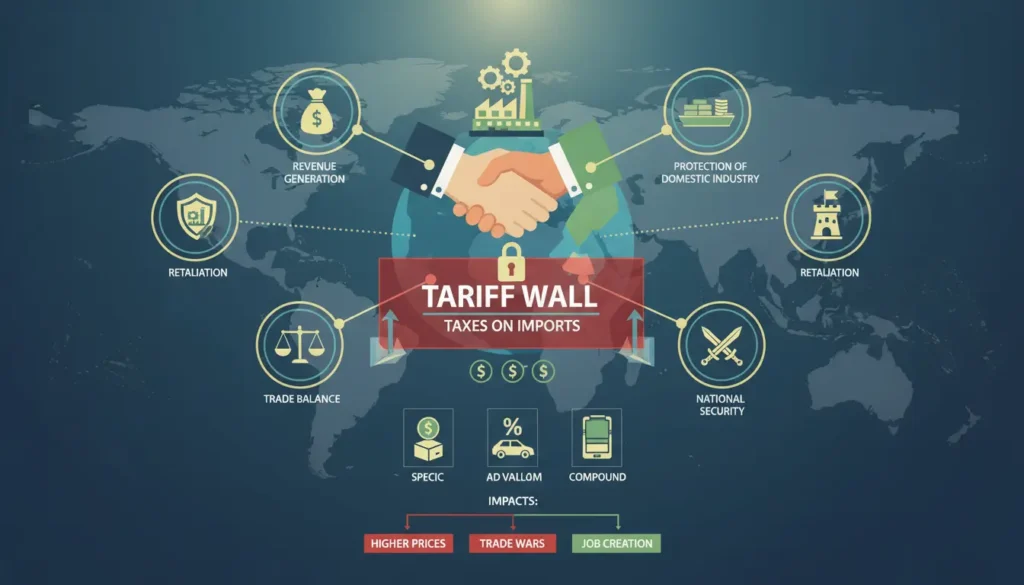
Trump’s tariff plan emphasizes higher duties on certain imports to protect domestic industry and raise revenue. The plan could include steeper duties on goods from targeted countries or on categories like finished goods.
Tariffs generate federal revenue but also raise costs for importers and consumers. Understanding both sides of this tradeoff is important when evaluating the feasibility of using tariffs to fund a stimulus.
How Tariffs Could Fund a $2,000 Stimulus
In theory, revenue from additional tariffs could be earmarked to finance a stimulus payment. That requires a clear legislative path to direct tariff receipts to a specific fund or appropriation.
Policymakers would need revenue estimates and modeling to determine whether tariffs could reliably produce the sum needed. Political and economic responses can change those estimates quickly.
Economic Effects to Consider
- Price increases: Tariffs often raise costs for import-dependent businesses, which can pass increases to consumers.
- Supply chain shifts: Businesses may seek alternative suppliers, causing short-term disruptions and transitional expenses.
- Retaliation risk: Trading partners might respond with counter-tariffs, affecting exporters and certain industries.
- Revenue volatility: Tariff receipts can fluctuate with import levels and economic cycles, making long-term funding uncertain.
Timeline and Legislative Process
A $2,000 stimulus in 2026 would require congressional approval, an appropriations mechanism, or an emergency funding provision. Tariff changes can be implemented through legislation or executive authority, depending on the legal route chosen.
Expect months of hearings, revenue estimates from the Congressional Budget Office, and negotiations over offsets and conditions before any payment is distributed.
Practical Steps for Households and Businesses
Preparing for the policy mix of a $2,000 stimulus in 2026 plus tariffs involves both short-term and medium-term actions. Households and businesses can reduce risk by reviewing budgets and supply chains.
- Households: Maintain an emergency fund, reduce discretionary spending, and avoid large new debts pending policy clarity.
- Small businesses: Assess supplier diversification, estimate potential cost increases, and update pricing strategies.
- Consumers: Watch prices for imported goods and consider buying needed durable goods before tariff changes take effect.
Real-World Case Study: 2018 Tariffs and Household Costs
When higher tariffs were imposed on steel and aluminum in 2018, some manufacturers faced higher input costs. Several firms reported passing at least a portion of those costs onto customers in the form of higher prices.
Example: A small appliance maker reported a measurable increase in production expenses after metal tariffs. The company raised retail prices slightly and delayed hiring, showing how tariffs can indirectly affect households rather than provide direct fiscal benefits.
Tariff revenue is only a small share of federal receipts. In recent decades tariffs have generated under 2 percent of total federal revenue, so large stimulus payments typically rely on other budgetary measures.
What to Watch: Signals from Policymakers
Track policy statements, CBO scoring, and committee hearings to gauge whether tariffs are being proposed as a primary funding source. Look for proposed tariff schedules and which products would carry higher duties.
Also monitor responses from trade partners and industry groups, as these stakeholders influence the practical implementation of any plan.
Questions Policymakers Must Answer
- Which imports would face higher tariffs, and at what rates?
- How will revenue be collected, tracked, and legally allocated to stimulus payments?
- What analyses show the net effect on households and businesses after price changes?
- How will policymakers mitigate retaliation and supply chain disruption?
Conclusion: Practical Outlook for the $2,000 Stimulus in 2026
Using tariffs to fund a $2,000 stimulus in 2026 is politically and economically complex. Tariffs can raise revenue but also create price pressures and trade tensions that may offset intended benefits.
Citizens and businesses should monitor legislative developments, prepare budgets for potential price changes, and follow independent revenue estimates. Clearer decisions will emerge as Congress and the administration outline specific proposals and funding plans.
For now, the best practical approach is to stay informed, plan conservatively, and review contracts and sourcing to reduce exposure to sudden tariff-driven cost increases.