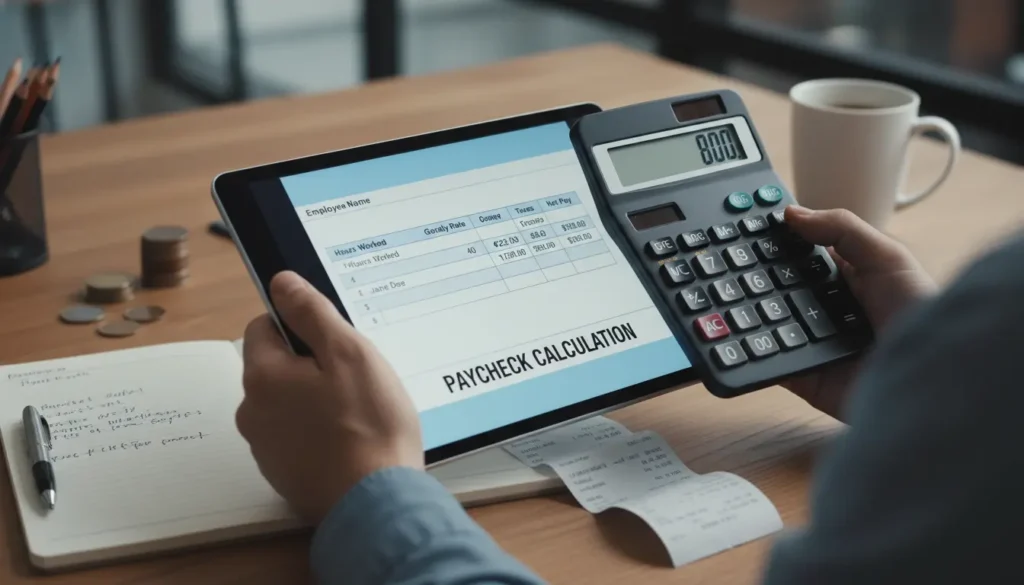
Overview of the U.S. Minimum Wage Increase 2026
On January 27, 2026, several minimum wage rates change for workers across the United States. Some increases are federally driven, while others come from state or local laws that adjust automatically or by schedule.
This article explains the U.S. minimum wage increase 2026, the new hourly pay rates effective January 27, and practical steps employers and employees should take.
Which Workers and Employers Are Affected
Not every worker sees the same change. Federal, state, and municipal minimums differ, and some employers are exempt from certain rules.
Key groups affected include hourly workers in retail, food service, hospitality, and some nonexempt salaried employees who are paid hourly-equivalent rates.
New Hourly Pay Rates Effective January 27: Where to Check
To confirm your new rate, check three sources: the U.S. Department of Labor (federal minimum), your state labor department, and local city or county wage ordinances.
Employers should ensure payroll systems reflect the highest applicable minimum rate where work occurs.
Practical Steps for Employers
Employers must update payroll settings, communicate changes, and track compliance for multi-state operations. Small administrative errors can lead to wage claims.
- Update payroll software with the new effective date and rate.
- Identify employees who will cross the new threshold.
- Adjust job postings, offer letters, and employee notices as required by law.
- Train HR and managers on changes to overtime calculations if applicable.
Practical Steps for Employees
Employees should confirm their employer’s posted minimum wage and review upcoming paychecks. If paid less than the new minimum, they have rights to back pay in many jurisdictions.
- Check the exact new hourly rate for your location and job category.
- Ask HR for a written notice showing your pay change effective January 27.
- Keep pay stubs and clock-in records for at least one year.
How to Calculate Your New Pay
Use a simple formula to estimate gross pay after the increase: New hourly rate × Hours worked = New gross pay.
Example: If the new minimum is $15.50 and you work 30 hours, weekly gross = 15.50 × 30 = $465.00.
Automatic minimum wage adjustments in some states are tied to inflation or a specific index. When the index rises, the wage can increase without a new law being passed.
Common Questions and Answers
Is the federal minimum changing on January 27, 2026?
Federal minimum wage changes require federal legislation. For January 27, the primary changes come from state and local increases that take effect that day.
Are tipped employees covered by the same increases?
Tipped employees often have different rules. Many states have a higher tipped minimum or disallow tip credits. Check state rules for the new tipped minimum effective January 27.
Small Case Study: Local Cafe Payroll Update
Case: A 12-employee cafe in a city that raised its minimum to $16.00 on January 27.
The cafe owner audited staff wages and found three baristas earning $15.25. The owner updated payroll to $16.00 and adjusted weekly schedules to avoid sudden labor cost spikes.
Calculation: For a barista working 32 hours, weekly increase = (16.00 – 15.25) × 32 = 0.75 × 32 = $24.00. Monthly increase ~ $96 before taxes. The owner planned minor menu and scheduling tweaks to cover the change.
Examples: Payroll Calculations
Example 1 — Part-time worker:
- Old rate: $14.00; New rate: $15.00
- Hours per week: 20
- Weekly increase: (15.00 – 14.00) × 20 = $20.00
Example 2 — Overtime impact:
- New minimum: $15.50; Overtime time-and-a-half = $23.25
- An extra 5 hours OT = 23.25 × 5 = $116.25 in OT pay
Recordkeeping and Compliance Tips
Maintain clear records showing when pay changes took effect and how amounts were calculated. This reduces risk in audits or disputes.
Best practices include a dated memo to staff, updated employment agreements, and payroll reports saved for at least three years.
Checklist Before January 27
- Confirm the new hourly pay rates effective January 27 for each work location.
- Run payroll simulations to estimate labor cost impact.
- Notify employees in writing and post required workplace notices.
- Coordinate with benefits and tax vendors for any wage-based adjustments.
Final Notes on the U.S. Minimum Wage Increase 2026
The U.S. minimum wage increase 2026 affects many workers through state and local changes effective January 27. Employers and employees should prepare, calculate, and document changes clearly.
When in doubt, consult a labor attorney or your state labor department to ensure full compliance with the new hourly pay rates.