Starting in January 2026, a major set of driving rules takes effect that will change how many traffic violations are enforced across the United States. The changes focus on distracted and reckless driving, tougher penalties, and new enforcement tools for officers and courts.
What the New January Driving Law 2026 Changes
The New January Driving Law 2026 targets behaviors linked to serious crashes: hand-held device use while driving, street racing, and repeat reckless driving. Many states are aligning statutes with the new federal guidance and funding to enforce those rules.
Key changes include higher fines, expanded moving-violation point systems, and new criminal penalties for repeat or aggravated offenses. The law also broadens the definition of distracted driving to include new in-vehicle behaviors and displays.
How the New January Driving Law 2026 Affects Fines and Jail Time
Penalties under the new framework are tiered. Simple violations may result in larger administrative fines and points. More serious or repeated violations can trigger misdemeanor charges, license suspensions, and short jail terms. In extreme cases involving injury or death, felony charges and longer prison sentences are possible.
Typical enforcement categories you should expect:
- Primary offenses (first-time, low-risk): increased fines and points on license.
- Repeat offenses: escalated fines, mandatory traffic school, and possible license suspension.
- Aggravated cases (injury, DUI-combined, racing): criminal charges with potential jail time.
Which Drivers Will Be Most Affected
All drivers should pay attention, but the law especially targets:
- Drivers who use hand-held phones or interactive screens while driving.
- Repeat offenders with prior moving violations or suspended licenses.
- Drivers involved in street racing or deliberate reckless behavior.
Commercial drivers may face separate regulations and stiffer penalties if commercial vehicle safety rules are violated under the new standards.
Examples of Actions That Trigger Higher Penalties
- Using a hand-held phone to text, scroll apps, or watch video while the vehicle is moving.
- Participating in or organizing street racing, even on public roads.
- Repeated speeding combined with unsafe lane changes or blocking emergency access.
Practical Steps U.S. Drivers Should Take Before January
Prepare now to avoid fines and possible criminal exposure. The following steps are practical and easy to implement.
- Enable Do Not Disturb or driving modes on mobile devices before you start driving.
- Use true hands-free systems that meet local rules rather than holding devices.
- Avoid modifications that add distracting displays or lights inside the cabin.
- Check your driving record and complete defensive driving courses if you have prior violations.
- Verify insurance and registration are current; some enforcement actions are linked to administrative violations.
How to Handle a Ticket Under the New Rules
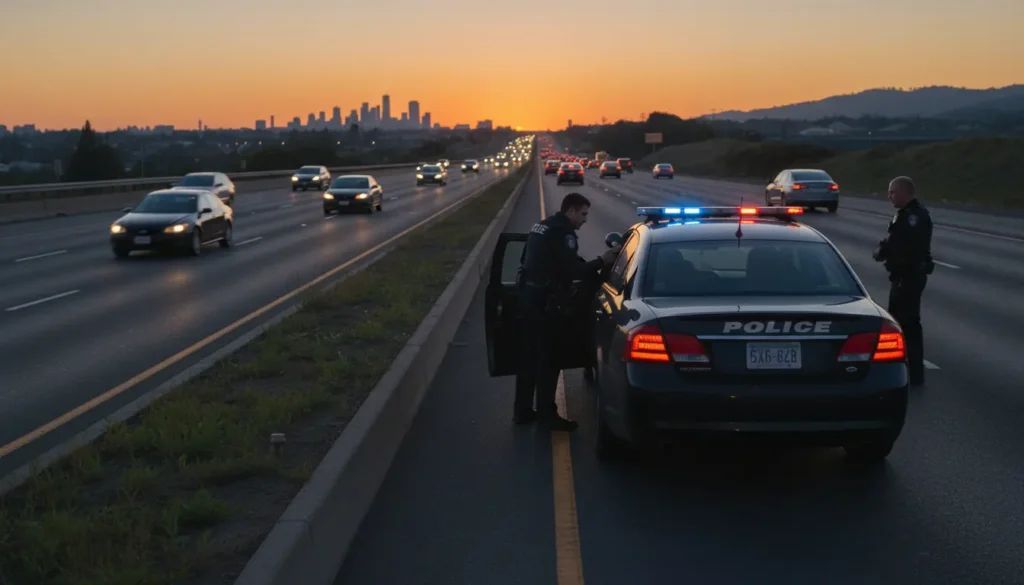
If you are stopped and cited, remain calm and follow officer instructions. Ask for clear citation details and court deadlines. Consider these options:
- Pay the fine if the citation is straightforward and you accept responsibility.
- Request defensive driving or mitigation programs if available to reduce points or penalties.
- Consult an attorney if the violation carries potential jail time or substantial license consequences.
The new rules expand the definition of distracted driving to include interacting with many types of in-car displays and passenger-facing screens, not just phones.
Real-World Example: How One Driver Adjusted
Case study (illustrative): Marcus, a commuter in a midwestern state, averaged two short phone checks per drive for navigation and messages. After reading the new guidance coming in January 2026, he set his phone to an automatic driving mode, mounted a certified hands-free device for navigation, and enrolled in an online defensive driving course.
The result: Marcus reported clearer focus behind the wheel, avoided a costly citation during a routine traffic stop, and saved points on his license that would have increased his insurance.
What to Watch for in Your State
Implementation details will vary by state. Expect differences in fine amounts, how points are assessed, and whether specific behaviors are criminalized. Check these local sources:
- Your state DMV or Department of Transportation website.
- State legislature or judicial notices for final statutory language.
- Local police department bulletins about enforcement priorities.
When to Seek Legal Help
Talk to an attorney if a citation could lead to jail time, felony charges, a long license suspension, or if you face multiple pending violations. Legal counsel can advise on plea options, mitigation, or fighting inaccurate citations.
Final Checklist Before January 2026
- Set up phone driving modes and test hands-free systems.
- Attend a defensive driving program if you have past tickets.
- Review insurance, registration, and address records with the DMV.
- Follow local announcements for specific fine amounts and criminal thresholds.
These steps will reduce the chance of surprise fines or criminal exposure once the New January Driving Law 2026 is enforced. Staying informed and taking small practical actions now can protect your driving record and avoid costly penalties.
Note: This article provides general information and is not legal advice. Laws and enforcement practices vary by state; consult your local DMV or an attorney for guidance specific to your situation.