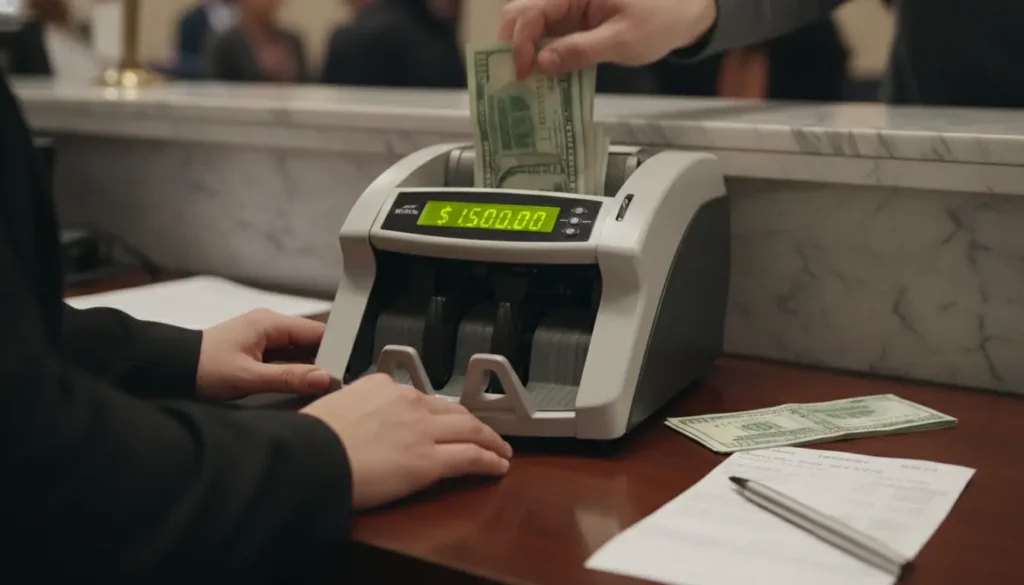
The IRS has announced a $2,000 direct deposit relief payment to eligible taxpayers in January 2026. This guide explains eligibility rules, payment dates, how to prepare your information, and practical steps to prevent delays.
IRS Confirms $2,000 Direct Deposit Relief January 2026: Quick Overview
This relief is a one-time $2,000 direct deposit for qualifying taxpayers issued by the IRS in January 2026. The payment targets specific income thresholds and filing statuses. Understanding the rules and timing will help you get your money on schedule.
Who is eligible for the $2,000 direct deposit relief
Eligibility is based on the IRS announcement and mirrors recent relief programs with updated income limits. The main points:
- U.S. citizens and resident aliens with valid Social Security numbers.
- Income limits apply by filing status; phaseouts start at set thresholds.
- Claimants must have filed a recent tax return or used the IRS non-filer tool where applicable.
- Adults claimed as dependents are not eligible unless they meet separate criteria.
Exact income thresholds and phaseouts will appear in the IRS FAQs and the 2026 payment guidance. Check the IRS site for the final chart once published.
Dates set for January 2026 payments
The IRS confirmed staggered direct deposit dates beginning mid-January 2026. Payments will be issued in waves to reduce processing bottlenecks.
- First wave: mid-January for taxpayers with on-file direct deposit information.
- Second wave: late January for those with recent tax returns but not on-file bank accounts.
- Paper checks and prepaid cards will follow and may arrive several weeks later.
Sign up for IRS email or text alerts and check the IRS “Get My Payment” (or equivalent) tool once the system goes live to see your expected date.
How to confirm eligibility and avoid delays
Prepare now to avoid delays. Confirm your filing status and bank routing details so the IRS can send the direct deposit without issues.
Steps to avoid delays
- File your 2024 or 2025 tax return on time if required. The IRS will use the most recent return for eligibility and payment info.
- Verify your bank account and routing number on file with the IRS or update via the IRS secure tools if available.
- Use the IRS online portal to confirm payment status and correct errors early.
- Keep documentation: tax returns, Social Security numbers, proof of address, and bank statements.
- Avoid common errors: wrong bank routing numbers, mismatched names, or outdated accounts.
If your direct deposit fails, the IRS will reissue a paper check, but that can add several weeks to delivery time. Double-checking account details now reduces this risk.
Required documents and data checklist
Have these items ready before checking your status or contacting the IRS. This reduces hold times and speeds resolution.
- Social Security number or Individual Taxpayer Identification Number (ITIN).
- Most recent federal tax return (2024 or 2025 as applicable).
- Bank account and routing numbers for direct deposit.
- Valid ID and proof of address if you need to verify identity with the IRS.
If you are a non-filer who expects the payment, the IRS may provide a separate portal to register. Monitor IRS announcements closely.
Common problems and how to fix them
Expect a few common issues. Below are quick fixes that save time.
- Wrong routing number: Contact your bank and confirm the correct ACH routing number, then update IRS records.
- Mismatched name or SSN: Correct errors on your most recent tax return and submit an amended return if needed.
- Outdated bank account: Provide a new account before the IRS finalizes deposits or expect a mailed check.
When to contact the IRS
Contact the IRS if your payment status shows an error or if 30 days have passed since your expected payment date without receipt. Use official IRS phone numbers and online tools to avoid scams.
The IRS typically uses the most recently filed tax return to determine eligibility and payment method, so filing or updating your return promptly can affect whether you get a direct deposit or a mailed check.
Real-world example: How preparation prevented a delay
Case study: Maria, a small business bookkeeper, expected the $2,000 payment. She filed her 2025 return early and confirmed her bank routing number with the IRS through the secure portal.
Because Maria updated her account details, she received the direct deposit in the first payment wave in mid-January. Her neighbor, who had not updated a closed account, had to wait six weeks for a mailed replacement check.
This example shows how small verification steps can mean faster access to funds.
Final checklist before January 2026
- Confirm your eligibility and filing status.
- Verify bank details and update if needed.
- Keep essential documents accessible.
- Monitor IRS tools and official announcements for exact dates.
Following these steps will reduce the chance of delays and help you receive the $2,000 direct deposit relief promptly in January 2026. For the latest official details, visit IRS.gov and use the IRS online tools as they become available.