Overview of Federal Government $2,000 Payments Scheduled for January 2026
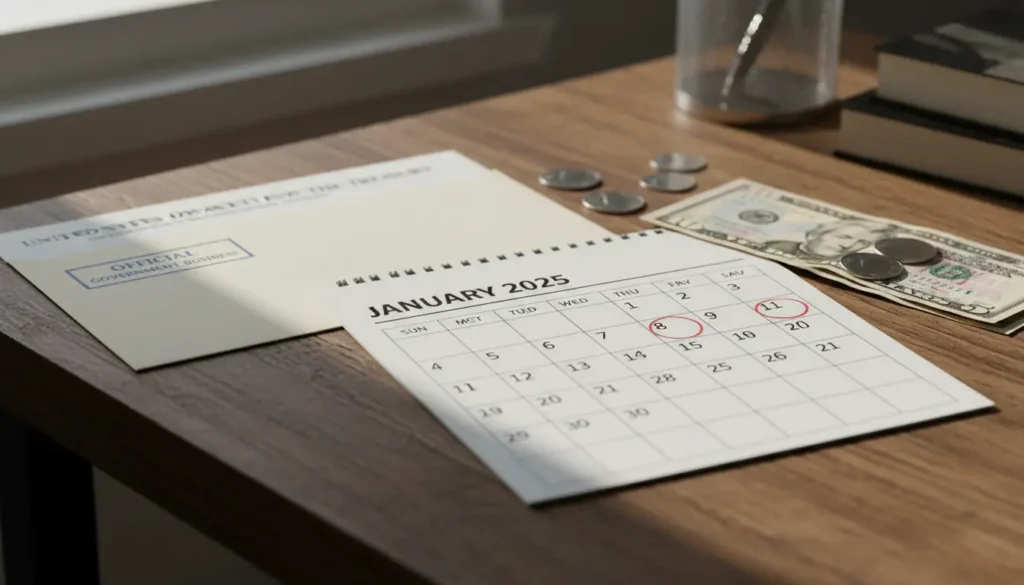
The federal government has scheduled $2,000 payments for January 2026. This article explains what to expect, who may be eligible, and practical steps to confirm receipt.
Information here is practical and neutral; always verify details on official government websites before acting. Follow the steps below to prepare and respond.
Who May Be Eligible for the $2,000 Payments
Eligibility can vary depending on the specific program behind the payments. Common eligibility factors include income thresholds, tax filing status, retirement benefits, or benefit program enrollment.
Typical qualifying categories could include:
- Recent tax filers with adjusted gross income below program limits.
- Recipients of Social Security or disability benefits if included by the program.
- Households that meet specific criteria set by the administering agency.
How to Confirm Eligibility
Check the official announcement from the administering agency. Look for .gov websites such as Treasury, IRS, or the agency named in the announcement.
Useful actions to confirm eligibility:
- Search the agency site for “January 2026 payment” and the payment amount.
- Use official payment lookup tools if provided (for example, a payment status portal).
- Contact the agency by phone or secure message if you cannot find public guidance.
How Payments Will Be Delivered
Payments are commonly delivered by direct deposit, paper check, or prepaid debit card. The delivery method often depends on the banking information the government has on file.
To prepare, check your most recent tax return or benefit account for the payment method the agency will use.
Steps to Confirm or Update Direct Deposit
If you expect direct deposit, verify your banking details with the agency before the payment date. Typical steps include:
- Log into the official agency portal.
- Verify account and routing numbers shown on file.
- Update contact information and mailing address if necessary.
When and How to Check Payment Status
Start checking the official payment status tool about a week before the scheduled date and daily during the payment week. Agencies may post an expected deposit date or mailing date.
What to have ready when checking status:
- Full name and Social Security number or taxpayer ID.
- Mailing address and bank account number on file.
- Recent tax return or benefit statement details.
Official federal information is posted on .gov domains. If a website or email asks for personal information and is not a .gov address, verify before clicking or sharing details.
What to Do If You Do Not Receive the Payment
If the payment does not arrive on the scheduled date, follow a clear set of steps to resolve the issue. Do not assume immediate fraud; delays can occur during processing or mailing.
- Confirm your eligibility and payment method on the official agency site.
- Check your bank account, including pending transactions, and mailbox for mailed payments.
- Contact the agency using official phone numbers or secure messaging.
- Keep records of your communications, including dates, names, and confirmation numbers.
When to Expect a Replacement or Trace
For lost or missing payments, agencies often offer tracing services or can issue replacement checks. Expect timelines of a few weeks for a trace and longer for reissuance.
Provide requested documentation quickly to avoid further delays.
Tax and Reporting Considerations
Some government payments are taxable, while others are not. Check the agency guidance about whether the $2,000 payment is taxable or reportable on your federal tax return.
If a payment is taxable, you may receive a tax form (like a 1099) the following tax year. Keep a record of payment amounts for your files.
Practical Budgeting Advice for the $2,000 Payment
Plan how you will use any additional funds before they arrive. A short written plan can reduce overspending and maximize benefit.
- Priority uses: essential bills, emergency savings, medical costs.
- Secondary uses: necessary home or car repairs, paying down high-interest debt.
- Avoid large discretionary purchases until you confirm the deposit has cleared.
Simple Allocation Example
Example allocation for a $2,000 payment:
- $800 to emergency savings
- $600 to past-due bills or high-interest debt
- $400 for essential home or car repairs
- $200 for groceries and immediate needs
Real-World Case Study
Case study: Maria, a part-time worker and caregiver, expected a $2,000 payment in January 2026. She checked the agency site two weeks before the date, confirmed her direct deposit details, and noted the expected deposit date.
When the deposit did not appear on the scheduled date, Maria logged back into the portal and opened a secure support ticket. The agency confirmed a processing delay and provided a trace number. Two weeks later the deposit posted to her account. Because Maria had set aside a budget beforehand, she used the funds to pay down overdue rent and save for a medical co-pay.
Key Takeaways for the Federal Government $2,000 Payments Scheduled for January 2026
Be proactive: verify eligibility, update contact and banking details, and monitor official agency tools before the payment date. Keep documentation of all communications and confirm tax treatment for your records.
When in doubt, rely on official .gov sources and avoid sharing personal information with unverified contacts. A short plan for how to use the funds will help you get the most benefit when the payment arrives.