Why Home Composting Matters
Home composting turns kitchen and garden waste into nutrient-rich soil. It reduces household trash, lowers methane emissions, and improves soil structure for plants.
For beginners, composting is a practical way to close the loop on organic waste and add value to your garden without chemicals.
Basic Principles of Home Composting
Composting relies on a balance of carbon and nitrogen, moisture, and aeration. Microbes break down organic matter when conditions are right.
Remember the simple rule: mix brown materials (carbon) with green materials (nitrogen) and keep the pile moist but not soggy.
Key Ingredients for Home Composting
- Green materials: fruit and vegetable scraps, coffee grounds, fresh grass clippings.
- Brown materials: dried leaves, shredded paper, straw, cardboard.
- Air: turn or aerate the pile every 1–2 weeks.
- Water: keep damp like a wrung-out sponge.
Choosing a Composting Method for Your Home
Select a method that fits space, time, and effort. Small urban homes have different needs than suburban yards.
Common home methods include a simple heap, a bin, a tumbler, and vermicomposting with worms.
Simple Options Explained
- Open pile: low cost, needs space and more maintenance for pests.
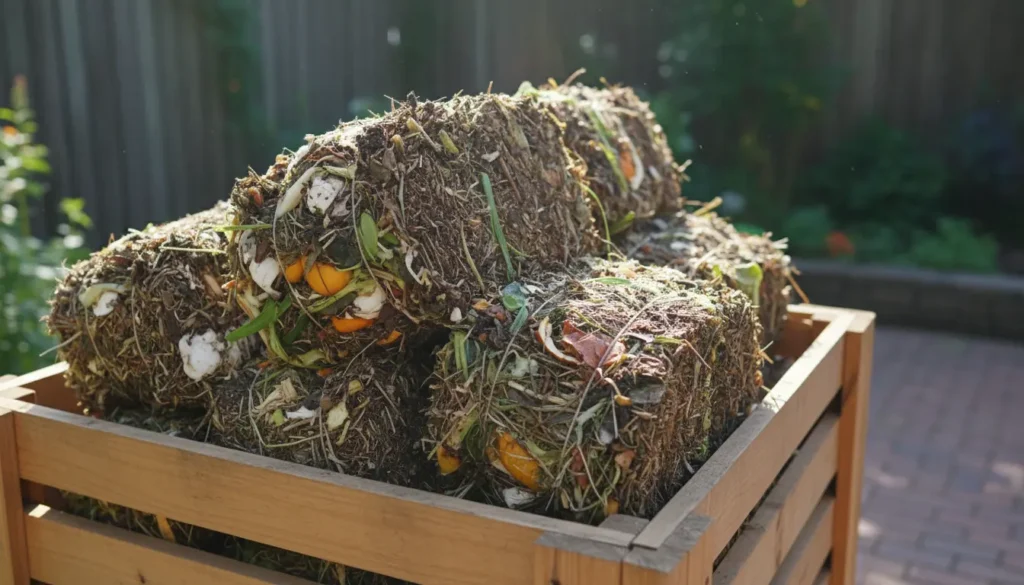
- Compost bin: contained, neater, good for yards and reduces pests.
- Tumbler: faster mixing and aeration, good for small gardens and faster results.
- Vermicomposting: uses red worms to compost indoors or in small outdoor bins—ideal for apartments.
Step-by-Step: Starting Home Composting
Follow these steps to start a reliable home composting system that produces usable compost in months.
1. Select a Spot and Container
Pick a level, shaded area near water access if possible. Use a bin or designated space to contain the pile and keep it tidy.
2. Build a Base Layer
Start with coarse brown materials like twigs or straw to help drainage and airflow. This base reduces compaction at the bottom.
3. Add Materials in Layers
Alternate green and brown layers roughly 2:1 by volume for good balance. Chop larger items to speed decomposition.
4. Maintain Moisture and Air
Water the pile if dry and turn it every 1–2 weeks to introduce oxygen. If it smells, add more browns and turn more frequently.
5. Harvest Finished Compost
Compost is ready when it is dark, crumbly, and earthy-smelling. Sift out large pieces and return them to the bin for more breakdown.
Troubleshooting Common Home Composting Problems
- Bad Odor: Too wet or too many greens. Add browns and increase turning.
- Pests: Avoid meat, dairy, and oily foods. Use a closed bin and bury food in the pile.
- Slow Breakdown: Materials too large or lacking nitrogen. Chop items and add green scraps.
- Dry Pile: Add water and fresh greens to rehydrate microbes.
Practical Tips for Better Home Composting
- Chop or shred yard waste to speed decomposition.
- Keep a kitchen caddy for scraps to make composting routine.
- Layer fresh greens with dry browns to control moisture.
- Use finished compost as a soil amendment or top dressing for plants.
Composting one household can reduce yearly landfill waste by up to 30 percent. Proper home composting helps divert food waste and improves garden health without chemical fertilizers.
Case Study: Small Urban Home Composting Success
Emma, a renter in a city apartment, started vermicomposting with a two-drawer worm bin on her balcony. She collected kitchen scraps and added shredded cardboard as bedding.
Within four months she produced enough compost to top-dress her potted herbs and reduce grocery soil purchases by half. She also cut weekly waste by about 10 liters.
Using Finished Compost in Your Garden
Finished compost boosts soil structure, water retention, and nutrient content. Use it as a potting mix additive, top dressing, or soil amendment at planting.
Apply a 1–2 inch layer around plants or mix into the top 4–6 inches of garden soil when preparing beds.
Frequently Asked Questions About Home Composting
How long does home composting take?
Composting time varies with method and materials. Hot, well-managed piles can mature in 2–3 months, while passive piles may take 6–12 months.
Can I compost citrus and onions?
Yes, in moderation. Small amounts of citrus and onion are fine, but large quantities can slow composting or attract pests in some systems.
Is compost safe for edible gardens?
Well-finished compost is safe and beneficial for edible gardens. Avoid using compost that still contains recognizable food pieces on root crops without proper curing.
Final Steps to Start Today
- Choose a compost method that fits your space and lifestyle.
- Gather basic tools: bin or tumbler, pitchfork or aerator, kitchen caddy.
- Start layering greens and browns, keep moisture balanced, and turn regularly.
Home composting is an accessible, practical way to manage organic waste and improve garden health. Start small and adjust your routine to suit your household needs.