Home Composting Guide
Composting at home is a practical way to reduce waste and build nutrient-rich soil. This guide explains the steps, materials, and common problems you will meet when starting home composting.
Home Composting Basics
At its core, home composting breaks down organic waste using microbes and physical conditions like moisture and oxygen. The result is humus you can use in pots, beds, or lawn topdressing.
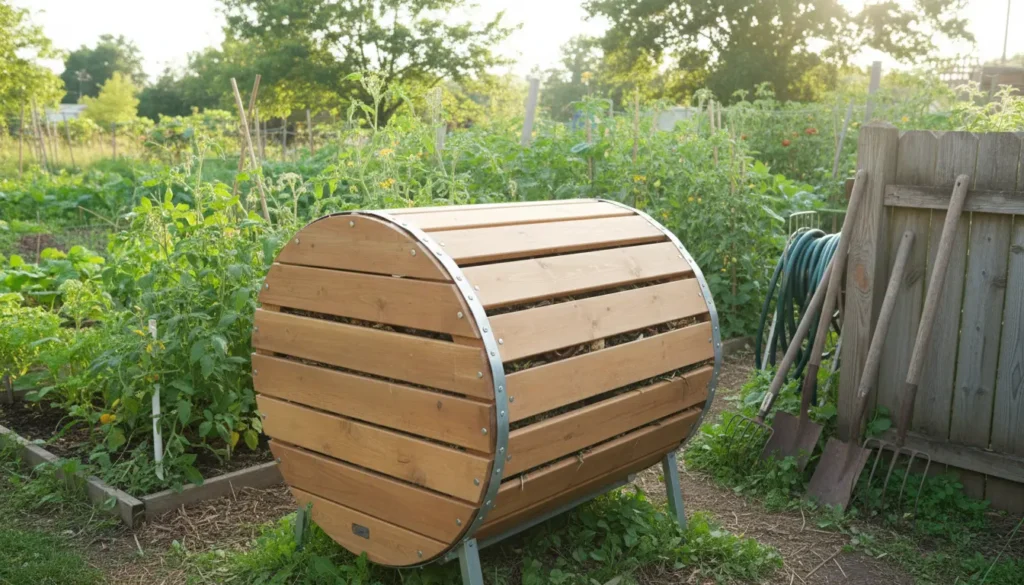
There are several methods — simple piles, bins, tumblers, and vermicomposting with worms. Choose the one that fits your space and the amount of kitchen and garden waste you produce.
Key Components for Home Composting
- Greens: kitchen scraps, fresh grass clippings — high in nitrogen.
- Browns: leaves, straw, shredded paper — provide carbon and structure.
- Air: regular turning keeps the pile aerobic and prevents odors.
- Moisture: the pile should feel like a wrung-out sponge, not dripping wet.
How to Start Home Composting
Starting home composting is straightforward and needs minimal investment. You can begin with a simple bin or a corner of the yard.
- Choose a location: a level, well-drained spot with partial shade works best.
- Assemble materials: alternate layers of greens and browns for balance.
- Add volume: aim for at least 1 cubic meter (or a large bin) to retain heat.
- Turn regularly: every 1–2 weeks speeds up decomposition.
- Monitor moisture: add water if too dry, add dry browns if too wet.
Simple Layering Method
Use this easy layering approach to establish balance and airflow in the pile. It is ideal for new home composters.
- Start with coarse browns (twigs or straw) for drainage.
- Add a 2–3 inch layer of greens (kitchen scraps).
- Add 3–4 inches of browns (shredded leaves or paper).
- Lightly water and repeat until the bin is full.
What to Compost in Home Composting
Knowing what to include and what to avoid speeds composting and prevents pests. Most household organic waste can go into the bin with a few exceptions.
Acceptable Items
- Fruit and vegetable scraps
- Eggshells (crushed)
- Coffee grounds and tea bags
- Yard waste: leaves, grass clippings, small prunings
- Shredded paper and cardboard (non-glossy)
Items to Avoid
- Meat, dairy, and oily foods (attract pests and slow decomposition)
- Diseased plants or invasive weeds with seeds
- Coal ash or treated wood
- Pet feces from meat-eating animals
Troubleshooting Home Composting Problems
Common issues like smell, slow breakdown, or pests usually result from imbalanced ingredients or poor aeration. Troubleshoot quickly to keep the process healthy.
Common Problems and Fixes
- Bad odors: add more browns and turn the pile to introduce air.
- Slow decomposition: chop materials smaller and increase the ratio of greens to browns.
- Pests: bury food scraps within the pile and use a closed bin or fine mesh barrier.
- Too wet: add dry brown materials and improve drainage.
Composting can reduce household waste volume by up to 50 percent and cut methane emissions from landfills by diverting food scraps.
How to Tell When Compost Is Ready
Finished compost is dark, crumbly, and smells earthy. Most home compost systems take 3 to 12 months depending on method, materials, and care.
To test readiness, place a small handful in open sunlight; if it warms quickly or smells sour, it needs more time. If it looks uniform and smells pleasant, use it immediately.
Real-World Example: A Simple Home Composting Case
Case: Sarah, a city homeowner, started home composting in a 200-liter tumbler. She combined kitchen scraps and shredded leaves, turning the tumbler twice weekly.
Within four months she produced usable compost and reduced her weekly trash by two bags. She now mixes the compost into potting soil for container vegetables and shares the excess with neighbors.
Practical Tips for Successful Home Composting
- Chop or shred large items to speed decomposition.
- Balance carbon and nitrogen — aim for roughly 25–30 parts carbon to 1 part nitrogen by weight.
- Use a compost thermometer for hot composting to monitor activity.
- Keep a small countertop pail with a tight lid for kitchen scraps to avoid pests.
Home composting is a low-cost, effective way to manage organic waste and build soil health. Start small, observe the pile, and adjust as you learn. With a little care, you will turn scraps into valuable compost for your garden.