Why Home Composting Matters
Home composting turns kitchen scraps and yard waste into nutrient-rich soil. It reduces landfill waste and cuts down on the need for chemical fertilizers.
Composting is a simple, low-cost practice you can start with minimal equipment and a bit of routine. This guide explains the steps clearly so you can begin today.
How Home Composting Works
Composting is a controlled decomposition process driven by microbes, air, moisture, and the right mix of materials. You balance ‘greens’ (nitrogen-rich) and ‘browns’ (carbon-rich) to keep the pile active and smell-free.
Temperature and moisture influence speed. A well-managed compost pile will heat up, break down organic matter, and produce dark, crumbly compost over weeks to months.
Choosing a Compost Bin for Home
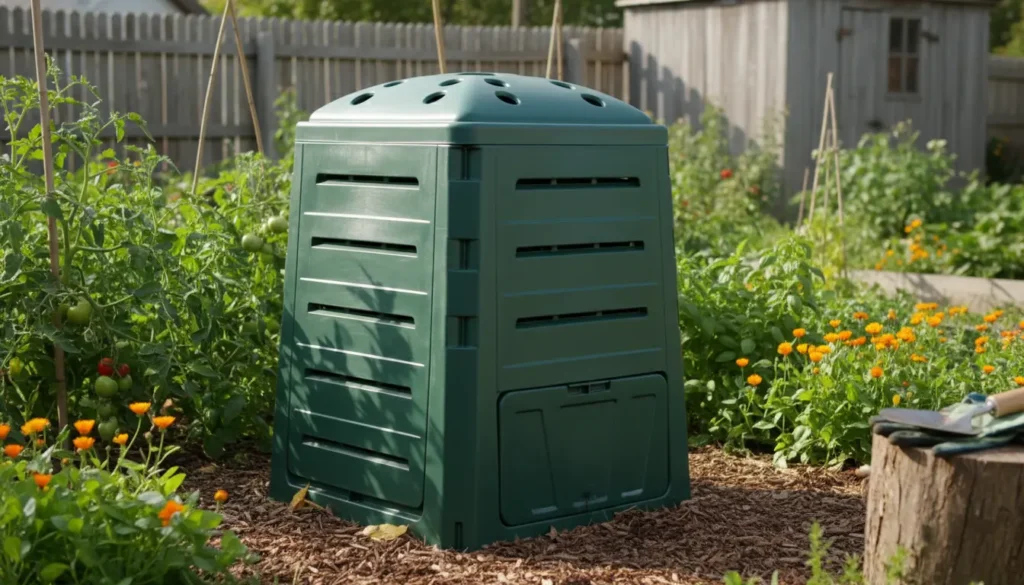
Pick a bin that fits your space and gardening goals. Options include tumblers, stationary bins, and simple DIY bins made from pallets or wire mesh.
Consider these factors when choosing:
- Available space: balcony, backyard, or garage corner.
- Volume of waste: small households can use a 50–100 liter bin; larger households may need multiple bins.
- Maintenance preference: tumblers are easy to turn, stationary bins need manual aeration.
What to Compost and What Not to Compost
A good compost mix includes a variety of greens and browns. Common greens are fruit and vegetable scraps, coffee grounds, and fresh grass clippings.
Good browns include dry leaves, shredded paper, straw, and cardboard. Aim for roughly a 2:1 or 3:1 ratio of browns to greens by volume for balanced decomposition.
Materials to Avoid
- Meat, fish, and dairy (attract pests and create odors).
- Diseased plants and invasive weeds (may survive composting).
- Pet waste from carnivores (can contain pathogens).
Setting Up Your Home Compost Bin
Choose a level spot with good drainage and partial shade. Place the bin on soil or grass to allow worms and microbes to enter.
Start with a layer of coarse browns like twigs to promote airflow. Alternate layers of greens and browns and keep the pile moist but not soggy.
Maintaining Your Compost Bin
Routine maintenance keeps compost healthy and speeds up decomposition. Turn or aerate the pile every 1–2 weeks to supply oxygen to microbes.
Monitor moisture: squeeze a handful of compost—if it feels like a wrung-out sponge, the moisture level is correct. Add water if too dry or more browns if too wet.
Common Troubleshooting
- Bad smell: usually too wet or too much green material. Add browns and turn the pile.
- Slow decomposition: increase surface area by shredding materials and ensure adequate moisture and aeration.
- Pests: avoid meat and dairy; use a closed bin or bury new greens under browns.
Using Finished Compost
Finished compost is dark, crumbly, and earthy-smelling. Use it as a soil amendment, mulch, or to make nutrient-rich potting mixes.
Work compost into garden beds at a rate of 1–3 inches for new beds, or topdress established plants with a thin layer to improve soil structure and fertility.
Adding small amounts of crushed eggshells to your compost increases calcium levels and helps prevent blossom end rot in tomatoes.
Small Real-World Example: A Simple Case Study
Case study: A two-person household in a city started a 60-liter tumbler and a small worm bin for kitchen scraps. They separated yard waste to a neighborhood community pile.
After six months, they reduced weekly trash to one small bag and used finished compost on balcony vegetables. The tumbler sped up decomposition, and the worm bin produced fine compost for potted herbs.
Quick Start Checklist for Home Composting
- Choose a bin that fits your space and volume of waste.
- Gather a supply of browns (dry leaves, shredded paper) and greens (kitchen scraps, coffee grounds).
- Start with a coarse base layer and alternate greens and browns.
- Keep the pile moist and turn it every 1–2 weeks.
- Harvest finished compost and use it in your garden.
Final Tips for Successful Home Composting
Start small and adjust ratios based on how your pile behaves. Simple observation—smell, moisture, and temperature—will tell you what needs changing.
Composting is flexible. Whether you use a tumbler, bin, or worm composting, consistent care results in valuable compost and less household waste.