How to Start a Vegetable Garden: First Steps
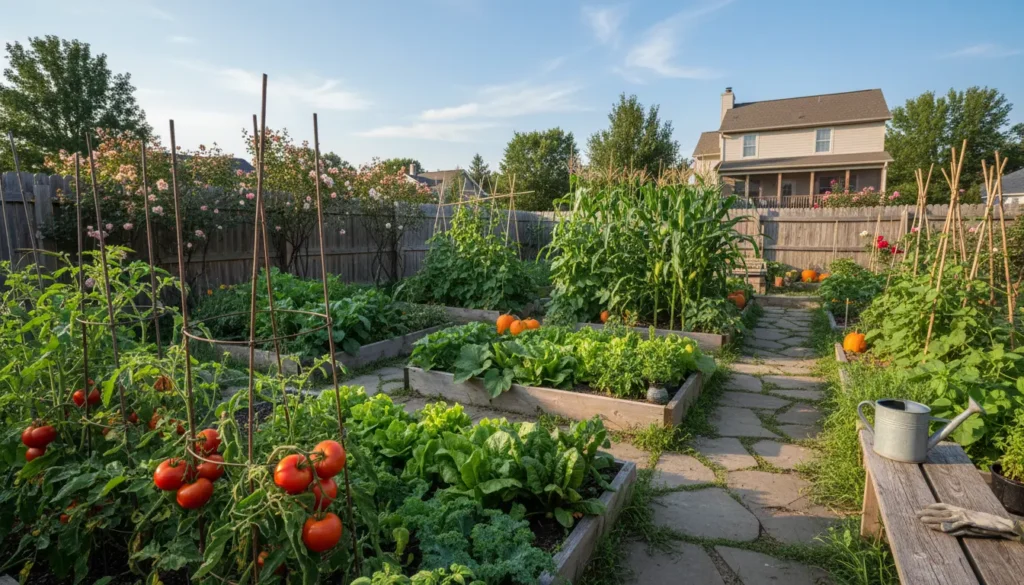
Starting a vegetable garden is a practical way to grow fresh food and learn new skills. Begin by choosing the right spot and deciding what you want to grow.
Keep your plan simple: pick a small area, select easy crops, and prepare basic tools. This reduces overwhelm and increases your chances of success.
Choose the Best Location to Start a Vegetable Garden
Vegetables need at least 6 hours of direct sunlight each day. Look for a flat area with good drainage and easy access to a water source.
Avoid low spots that collect cold air or standing water. Proximity to your kitchen makes harvesting easier and keeps you motivated.
How to Start a Vegetable Garden: Soil and Bed Preparation
Soil quality matters more than garden size. Most veggies prefer loose, nutrient-rich soil with good drainage.
There are three common bed types: in-ground beds, raised beds, and containers. Choose based on space, budget, and mobility needs.
Test and Improve Your Soil
Do a basic soil test or check texture: a pinch should form a loose ball that crumbles. If it stays hard or sandy, amend it.
- Add compost to improve fertility and structure.
- Mix in aged manure or balanced organic fertilizer as needed.
- Use well-draining potting mix for containers.
How to Start a Vegetable Garden: Choosing Plants and Timing
Select vegetables that match your climate and season. Beginners often succeed with lettuce, radishes, beans, tomatoes, and herbs.
Check your local frost dates and use them to time planting. Start seeds indoors for warm-season crops if needed.
Planting Tips for New Gardeners
- Follow spacing instructions on seed packets or plant tags.
- Plant taller crops on the north side of the bed to avoid shading shorter plants.
- Stagger plantings every 2–3 weeks for continuous harvests.
How to Start a Vegetable Garden: Watering and Maintenance
Consistent watering is essential. Most vegetable beds need about 1 inch of water per week, more in hot weather.
Use a soaker hose or drip irrigation to deliver water directly to the roots and reduce evaporation.
Ongoing Care
- Mulch around plants to conserve moisture and suppress weeds.
- Thin seedlings so remaining plants have room to grow.
- Remove diseased or infested leaves early to prevent spread.
How to Start a Vegetable Garden: Pest and Disease Basics
Many pests are manageable with good practices: crop rotation, clean beds, and encouraging beneficial insects.
Inspect plants weekly. Hand-pick large pests like slugs and caterpillars, and use organic controls when necessary.
Common Solutions
- Row covers protect seedlings from flying insects.
- Neem oil or insecticidal soap can control soft-bodied insects.
- Rotate families of crops each year to reduce soil-borne diseases.
Harvesting and Storing Your Vegetables
Harvest at peak ripeness for best flavor and nutrition. Leafy greens are often harvested young, while tomatoes and peppers need full color.
Store produce properly: cool and dry for root vegetables, refrigerated for most greens, and room temperature for tomatoes until ripe.
Simple Harvesting Schedule
- Lettuces and spinach: 30–50 days, pick outer leaves or cut-and-come-again.
- Radishes: 25–30 days, quick growers for beginner satisfaction.
- Tomatoes: 60–90 days depending on variety, stake or cage for support.
Planting marigolds near tomatoes can reduce nematode populations in the soil and attract beneficial insects.
Real-World Example: Small Raised Bed Success
Case study: A beginner in Portland built a 4×8 raised bed filled with equal parts compost, topsoil, and aged bark fines. They planted determinate tomatoes, bush beans, lettuce, and basil.
With drip irrigation and weekly mulching, they harvested tomatoes from July to October and multiple cuttings of lettuce. The bed produced enough for a family of three during peak season.
Key Takeaways from the Example
- Start small and expand after success.
- Raised beds warm earlier in spring and reduce soil compaction.
- Regular watering and mulching saved time and improved yields.
Practical Checklist to Start a Vegetable Garden
- Choose a sunny site and measure available space.
- Decide on bed type: in-ground, raised, or containers.
- Test and amend soil with compost and fertilizer.
- Select 3–6 easy crops for your first season.
- Set up simple irrigation (soaker hose or drip line).
- Mulch, monitor pests, and harvest regularly.
Final Advice
Be patient and learn from each season. Gardening is practical work that improves with observation and small adjustments.
Track what you plant and when, and you’ll quickly build a personalized plan that matches your climate and tastes.