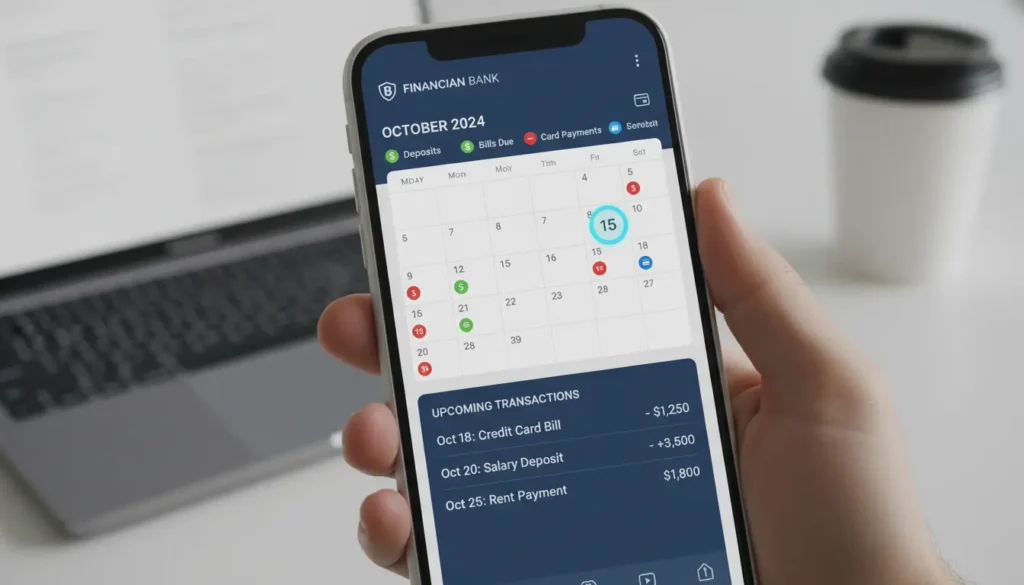
IRS Announces $1390 Direct Deposit Relief Payment For January 2026 — Overview
The IRS has announced a one-time direct deposit relief payment of $1,390 scheduled for January 2026. This article explains who may receive it, how payments are issued, and what steps you should take now to prepare.
Information below is practical and focused on actions you can take to confirm eligibility and receive the payment on schedule. Keep documentation and monitor official IRS channels for final details.
What is the $1390 direct deposit relief payment?
The $1390 payment is a targeted, one-time relief deposit intended to help eligible taxpayers with household expenses. The IRS will distribute most payments by direct deposit, and a small portion may be issued by check or debit card where direct deposit is unavailable.
This payment is separate from regular tax refunds and will not appear as a tax credit on your return unless specified by the IRS in follow-up guidance.
Who qualifies for the $1390 direct deposit relief payment
Eligibility typically depends on recent tax filings, income thresholds, and filing status. Early IRS guidance suggests the following likely qualifiers:
- Filers who submitted a 2024 or 2025 federal tax return with a valid Social Security number.
- Taxpayers whose adjusted gross income falls under the published income limits for single, head of household, and joint filers.
- Those who received previous IRS direct payments connected to relief programs and did not opt out.
Exact thresholds and special exceptions (for mixed-status households, dependents, or nonfilers) will be clarified in IRS notices. Keep an eye on IRS.gov for updates.
How to get the Direct Deposit Relief Payment in January 2026
If the IRS already has your direct deposit information from a recent return, no action may be required. The agency will use that information to send funds directly to your bank account.
If your bank details are not on file or have changed, follow these steps so you do not miss the payment:
- File your 2025 tax return early if you have not done so and include current bank routing and account numbers.
- Use the IRS’s online tools to update bank information if the IRS publishes a secure portal for this purpose.
- Watch for an official IRS timeline and eligibility tool to confirm payment method and date.
When in January 2026 will payments arrive?
The IRS typically issues mass payments in waves over several weeks. Announcements indicate payments will begin in January 2026 and continue through the month.
Direct deposits usually arrive sooner than mailed checks. Expect a direct deposit window of several days to two weeks from the initial payment date for most recipients.
Action checklist before January 2026
Use this checklist to prepare and reduce delays:
- Confirm your 2024 or 2025 tax filing status and ensure the IRS has your correct Social Security number.
- Update bank direct deposit information on your most recent tax return or through any IRS tool provided for recipients.
- Keep a copy of recent tax returns and proof of identity available in case you need to contact the IRS.
- Beware of scams: the IRS will not ask for personal information by phone or email to send this payment.
Tax and reporting implications for the $1390 payment
Most relief payments like this are not taxable income, but the IRS will publish specific tax guidance. Do not assume the payment is taxable without checking official IRS notices.
Record the payment amount and source in your personal finance records so you can verify it against IRS communications or future tax forms.
Relief payments sent by the IRS in past years were often based on the most recent tax return on file. If you did not file a return for the prior year, you may need to file to qualify for incoming direct deposit relief payments.
How the IRS will notify recipients
The IRS generally notifies taxpayers by mail and updates its website with payment schedules and eligibility tools. Do not trust text messages or callers claiming to represent the IRS asking for bank details.
Look for letters or notices after the payment is issued; these usually describe the amount and how it was delivered.
Common questions and quick answers
- Q: Can I get the payment if I moved?
A: Yes, if your current address and bank details are on file. Update your address with the IRS before the payment date. - Q: What if my bank rejects the deposit?
A: The IRS will typically reissue funds by check if a direct deposit fails, but that may add weeks to delivery time. - Q: Will dependent status affect my payment?
A: Dependent rules vary. Check IRS eligibility notices for how dependents are treated for this payment.
Short case study: One family’s experience
Case Study: Maria is a single parent who filed her 2024 tax return and included her bank direct deposit details. When the IRS announced the payment, she confirmed her address on file and checked the IRS payment tracker on January 12.
Her bank showed the $1,390 deposit on January 15. Maria used the funds to cover a utility bill and buy groceries while she updated her household budget for the month.
This simple example shows how having current tax and bank information on file can speed access to relief payments.
Final steps and where to get official help
Before January 2026, make sure your tax filings are current and direct deposit information is accurate. Keep documentation and follow the IRS for official updates.
If you have questions, use the IRS website first. If you must call, use phone numbers on IRS.gov to avoid scams. Local IRS taxpayer assistance centers can also help with account questions and filings.
Stay proactive: update your records, monitor official guidance, and use the checklist above to prepare for the IRS $1390 direct deposit relief payment in January 2026.