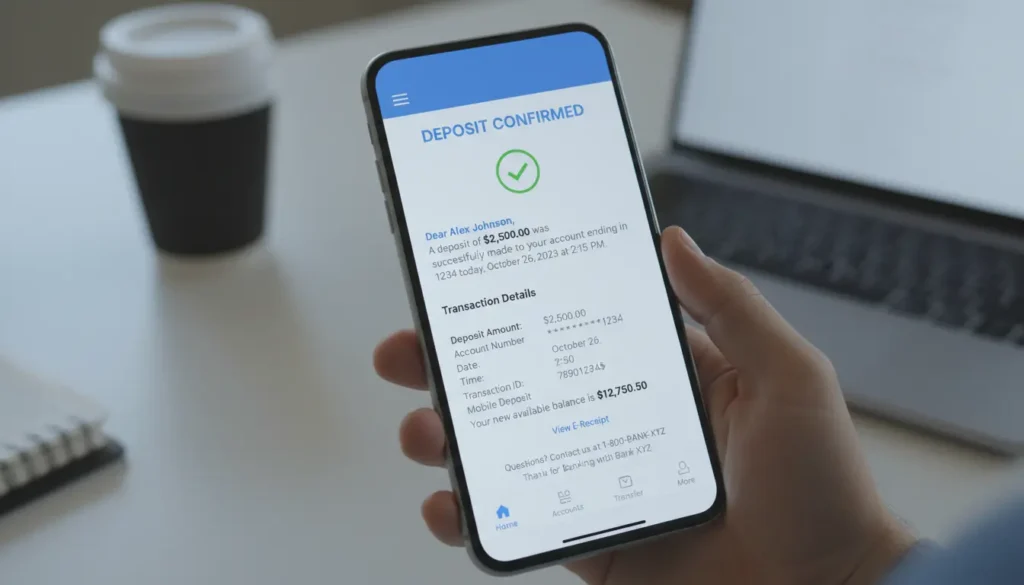
IRS Announces $2,000 Direct Deposit Relief January 2026: What You Need to Know
The IRS has announced a targeted $2,000 direct deposit relief distribution beginning in January 2026. This guide explains updated eligibility, the planned schedule, and expected deposit windows so you can prepare and avoid delays.
Updated Eligibility for the $2,000 Direct Deposit Relief January 2026
Eligibility rules have been updated to include several common filing and income scenarios. The IRS expects to prioritize direct deposits for taxpayers who meet core requirements.
To be eligible, recipients generally must meet the following criteria:
- Filed a 2024 or 2025 tax return or submitted a non-filer registration if required.
- Reported adjusted gross income (AGI) within the IRS-specified threshold. Low- to moderate-income filers are prioritized.
- Provided direct deposit information (bank account and routing) on file with the IRS or through a registered non-filer portal.
- Not be subject to certain offsets for outstanding federal debts where law requires withholding.
Note: Dependents, some mixed-filing households, and taxpayers with recent address or banking changes may need additional steps to confirm eligibility.
How to Confirm You Are Eligible
Check your eligibility by reviewing IRS communications and your online tax account. The IRS will use recent returns and records to verify income and deposit information.
Take these steps now:
- Log in to your IRS online account and verify direct deposit details.
- If you did not file, check the IRS non-filer guidance and submit required information before the cutoff date.
- Watch for IRS letters or email alerts that confirm eligibility or request corrections.
Schedule and Expected Windows for Direct Deposits
The IRS plans a phased distribution through January and into February 2026. Distribution is expected to follow a multi-week window pattern to manage volume and avoid bank processing bottlenecks.
Key points about the schedule:
- Initial direct deposit runs begin mid-January and continue in weekly batches.
- Payments are grouped by identifying factors such as Social Security number (SSN) ending digits, filing status, or processing batch number.
- Paper checks will follow later for those without direct deposit on file, adding several weeks to delivery time.
Expected Windows and Delivery Timing
While exact dates can change, the IRS has described expected windows like the following pattern to help recipients plan:
- Week 1 (mid-January): Priority payments to eligible low-income filers with direct deposit on record.
- Weeks 2–4 (late January): Broader direct deposit waves grouped by SSN ending and filing status.
- February: Follow-up deposits and paper check mailings for those missing deposit information.
Bank clearing times vary. Most direct deposits appear in accounts within 1–3 business days of the IRS transmission, but weekends and bank holidays can extend that window.
Practical Steps to Prepare for the $2,000 Direct Deposit Relief
Take these practical, step-by-step actions to reduce delays and ensure you receive any eligible payment quickly.
- Verify bank account and routing number in your IRS online account or on your last filed return.
- Update your address and contact info with the IRS if it changed since your last filing.
- If you did not file a return, check the IRS non-filer guidance and register before the specified cutoff dates.
- Monitor your bank account and IRS messages in January and February for deposit confirmation or follow-up requests.
What to Do If You Don’t Receive a Deposit
If you believe you are eligible but do not receive a direct deposit within the expected window, follow these steps:
- Check your IRS online account for status or notices.
- Confirm your bank details were correct on the return filed or through your IRS account.
- Call the IRS or use official online tools only after the full distribution window has passed for your group.
The IRS often groups mass payments by SSN ending digits to manage volume. This method helps reduce errors and bank rejections during large distributions.
Real-World Example: One Family’s Experience
Case study: Maria is a single parent who filed a 2025 return and provided direct deposit info. Her SSN ends in 42, which the IRS grouped into the second January wave.
She saw the $2,000 payment hit her bank account two business days after the IRS batch date. Because she had verified her routing number earlier, the deposit cleared without issue. Maria used the funds to cover rent and emergency car repairs.
Lessons from this example:
- Verify banking information before the distribution begins.
- Expect grouping by SSN or batch; your payment may not arrive the first week.
- Keep records of any IRS notices in case follow-up is needed.
Common Questions and Quick Answers
Q: Will everyone who is eligible receive exactly $2,000? A: The IRS indicated a standard payment amount for eligible recipients, subject to legal limits and offsets.
Q: Can the payment go to a different bank account than my tax refund? A: Yes. Direct deposit instructions on file for the relevant tax year or non-filer registration determine the account used.
Q: How long until paper checks arrive? A: Paper checks usually follow direct deposit waves and can take several additional weeks depending on mail and local processing.
Final Notes
The IRS Announces $2,000 Direct Deposit Relief January 2026 to assist eligible taxpayers. Prepare by confirming eligibility, updating deposit information, and monitoring the announced windows.
Stay informed by checking the IRS website and your official IRS online account for the most current updates and any required actions.