The new January driving law affects drivers in all 50 states. This article explains the key requirements, likely penalties, and practical steps you should take to avoid fines or jail. Read the checklist and case study for real-world guidance.
What the January Driving Law Requires
The law sets a nationwide requirement for vehicle compliance and driver behavior that takes effect in January. States must follow the federal standard or adopt an equivalent law to remain in compliance. The most important points are documentation, safety equipment, and timely updates to registrations or certifications.
Penalties for noncompliance include fines that can reach $1,500 and, in severe or repeated cases, potential jail time. Understanding what triggers enforcement is the first step to avoiding penalties.
Key compliance items
- Valid driver license and up-to-date vehicle registration.
- Required safety equipment and inspections (examples listed below).
- Proof of insurance that meets the new minimums where applicable.
- Timely response to official notices or citations.
How Enforcement Works Under the January Driving Law
Enforcement is carried out by state and local authorities, including state police, highway patrol, and local law enforcement. DMVs will also play a role by issuing administrative penalties.
Officers may issue a citation during a traffic stop or following an inspection. Administrative holds at the DMV can stop registration renewals until compliance is proven.
Examples of enforceable triggers
- Expired registration or missing required inspections.
- Failure to present proof of required safety equipment during an inspection.
- Repeated or willful violations after warnings or prior citations.
Practical Steps to Avoid $1,500 Fines or Jail
Follow these actions now to reduce your risk of being cited under the new law. Prioritize documentation and inspections, and act quickly on any notice you receive.
- Check your license and registration expiration dates and renew early.
- Confirm your insurance meets the updated minimums required by your state.
- Schedule required vehicle inspections and repairs well before January enforcement begins.
- Keep a physical or digital folder with proof of compliance in your car or accessible on your phone.
- Respond promptly to any mailed or electronic notice from the DMV or law enforcement.
What to carry in your vehicle
- Valid driver license.
- Current vehicle registration card.
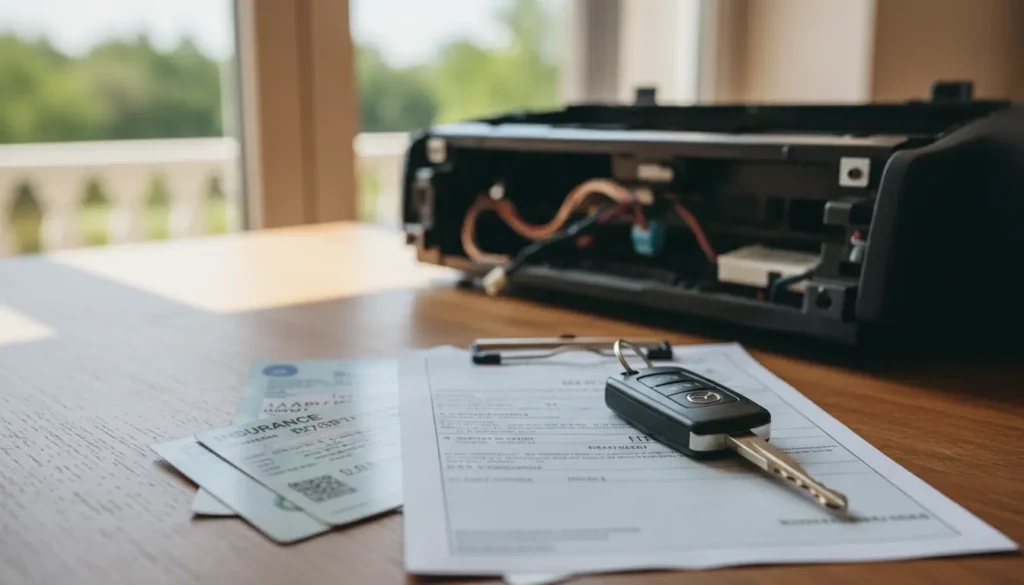
- Insurance ID card or digital proof.
- Receipts or certificates for recent inspections or equipment installs.
State Differences and Special Rules
Although the law applies nationwide, each state may adopt its own procedures for enforcement and exemptions. Some states offer grace periods, while others have strict immediate penalties.
Check your state DMV website for the precise requirements, allowed exemptions, and any online tools for filing proof of compliance.
Common state-level variations
- Grace periods for renewals ranging from 30 to 90 days.
- Exemptions for certain commercial vehicles or service vehicles with conditional permits.
- Different inspection items or safety equipment lists per state.
What to Do If You Receive a Notice or Citation
If you get a citation or notice, act quickly. Ignoring it can escalate fines and increase the chance of jail for repeated or willful violations.
- Read the notice and follow the instructions for appeal or payment.
- Gather proof of compliance: receipts, inspection certificates, insurance documents.
- Contact the issuing agency or visit the DMV in person if the online portal is unclear.
- Consider legal advice for contested citations or if jail time is threatened.
Small Real-World Example
Case study: Maria, a commuter in Ohio, received a mailed notice in December that her vehicle inspection on file did not meet the new standard. She scheduled an inspection immediately and paid for a minor repair. She uploaded the inspection certificate and receipt to the state DMV portal and kept a digital and paper copy in her car.
When stopped for a routine check in January, Maria showed the officer the uploaded confirmation and the physical receipt. The officer verified her timely action and issued a warning instead of a citation. Maria avoided fines and any administrative hold on her registration.
If You Disagree With a Fine or Arrest
You have rights to contest fines and arrests. Administrative appeals and court petitions are common paths. Gather your records and follow the appeal deadlines strictly.
Most states provide an appeal process through the DMV or traffic court. Legal counsel can help if the case involves significant fines or potential jail time.
Quick Checklist Before January
- Verify your driver license and registration dates.
- Confirm insurance coverage meets state requirements.
- Complete any required vehicle inspections or equipment updates.
- Upload or carry proof of compliance.
- Respond promptly to any official notices.
Following these steps will greatly reduce the risk of fines up to $1,500 or possible jail. Stay informed through your state DMV and local law enforcement channels. If in doubt, contact your DMV or a qualified attorney for guidance specific to your state.