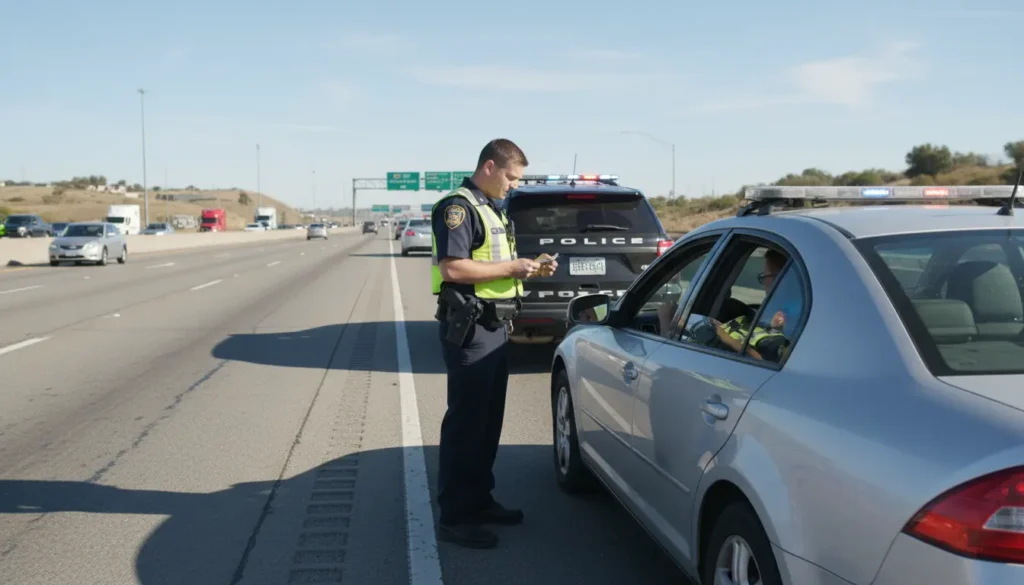
Starting in January, a new driving rule that affects all 50 states has changed how certain traffic offenses are penalized. This article explains how the rule triggers possible jail time and $1,500 fines, who can be charged, and practical steps to avoid or respond to penalties.
New January Driving Law in All 50 States: What it covers
The new rule targets specific dangerous behaviors behind the wheel, such as repeat impaired driving, deliberate evasion of law enforcement, and driving that results in serious injury. States are required to align certain penalties to qualify for federal highway funding, so the change has nationwide reach.
Penalties under this rule include criminal charges that can carry short jail terms and monetary fines capped at or around $1,500 for particular offenses. The law does not replace all state codes; it sets minimum standards and penalty triggers.
Common offenses affected by the January change
- Repeat DUI or DWI within a set time window
- Refusal to submit to chemical testing after arrest
- Deliberate high-speed pursuits or evading an officer
- Driving without a required license or with revoked privileges in specific circumstances
- Negligent driving that causes serious bodily harm
Jail Time and $1,500 Fines Explained
The most commonly discussed elements are short jail sentences and $1,500 fines. Typically, jail time for these offenses is measured in days to months for a first qualifying offense and increases for repeat or aggravated cases.
Fines are often set to a maximum of $1,500 for the covered offenses, though states may impose additional fees, court costs, or restitution, which can increase the total financial impact.
How penalties are usually structured
- First qualifying offense: fines up to $1,500 and possible short jail term (often under 6 months)
- Repeat offenses: larger fines, longer jail time, and longer license suspensions
- Aggravating factors: accidents causing injury or death can lead to felony charges with higher penalties
Who is affected and where to check
The rule applies to drivers who commit the specific offenses described above anywhere in the United States. Enforcement, charging decisions, and exact penalty amounts still depend on state law and local prosecutors.
To confirm how the law applies in your location, check your state DMV website and the state code sections that govern traffic crimes and DUI/DWI. Local police departments and county prosecutor sites also post updates when enforcement practices change.
How enforcement will work in all 50 states
Because the change links to federal incentivization, states have updated codes, training for officers, and prosecutorial guidance. Officers will use standard arrest procedures for qualifying offenses and may document situations differently to meet reporting requirements.
Expect to see:
- More traffic stops focused on impaired or reckless driving
- Increased use of breath or blood testing after arrest
- Standardized paperwork so cases qualify under the federal rule
What to do if you face charges under the new law
If you are stopped or charged for a qualifying offense, take these practical steps immediately:
- Remain calm and comply with lawful instructions from officers.
- Do not admit guilt at the scene; requests for a lawyer are allowed.
- Document the stop: note time, location, officer names or badge numbers if possible.
- Contact an attorney who handles traffic criminal defense promptly.
- Check your state’s DMV and court websites for the exact statute that applies.
Legal and financial considerations
A case can result in fines, jail, license suspensions, and higher insurance premiums. Criminal convictions often have longer-term effects on employment and travel options.
Many defendants can negotiate plea agreements or seek diversion programs that reduce or avoid jail time; an attorney can advise on local options.
Small real-world example
Case study: In State X, a driver pulled over for suspected impaired driving refused a breath test and was charged under the updated statute. The prosecutor sought the $1,500 fine and a 30-day jail term under the new guidelines. With counsel, the driver entered a diversion program that required treatment and community service, reduced the fine, and avoided jail. This outcome shows how local practices and legal strategy affect real penalties.
Practical tips to avoid penalties
- Plan ahead: use rideshare or a designated driver if you will be impaired.
- Keep your license and registration current and accessible.
- Know your state’s implied consent and testing rules.
- Follow posted speed limits and avoid risky driving behaviors.
Final steps and resources
If you live in or travel through different states, stay informed about each state’s specific rules. Contact your state DMV, local legal aid, or hire a traffic defense attorney if you are charged.
This nationwide change raises the stakes for certain driving offenses. Preparedness and understanding local procedures will reduce the risk of jail time and costly fines.