Overview of New Traffic Rules for Drivers from January 01, 2026 in the USA
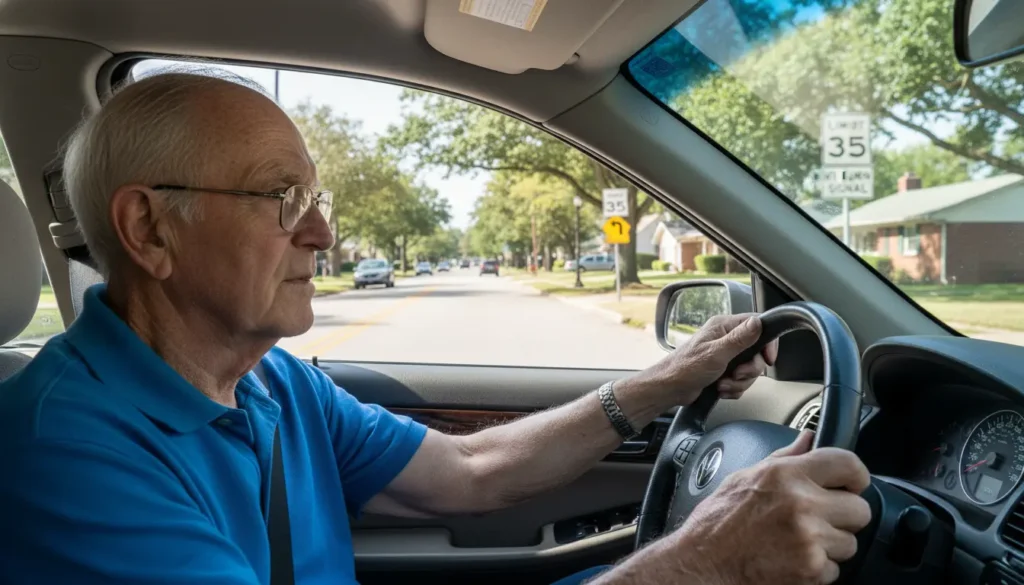
On January 01, 2026, several federal and state changes affecting licensing, testing, and in-vehicle safety reach full effect. These updates focus on health screening, license renewal, and technology requirements. Drivers aged 70 and older should review each rule and its local implementation.
Why These Changes Matter for Drivers Over 70
Older drivers have higher crash risks associated with vision, reaction time, and certain medical conditions. The new rules aim to balance road safety with independence for older adults. Understanding how states interpret federal guidance will help drivers plan for renewals and required checks.
Key Rule Changes Taking Effect January 01, 2026
Not every state will apply the same procedures, but common changes include updated vision tests, mandatory medical reporting, and digital license options. Below are the main areas to watch.
Vision and Cognitive Screening
States are expanding vision screenings at DMV offices for drivers 70+. Expect sharper minimum visual acuity standards in some states.
Cognitive screening or physician-attested checks may be required when renewal triggers a higher-risk category. These are brief tests intended to flag drivers who need a full medical evaluation.
Shorter Renewal Cycles and In-Person Visits
Several states will require in-person renewals for drivers 70 and older every 2–4 years instead of longer mail renewals. This allows DMVs to perform checks and update records more frequently.
Plan ahead for appointment availability to avoid lapsed licenses. Many DMVs allow early renewals within a set window before expiry.
Mandatory Medical Reporting and Forms
Primary care providers may now be required to report medical conditions that impair driving. States vary on the threshold for reporting and confidentiality protections.
Drivers should keep a copy of any submitted medical forms and ask their doctor for a clear statement about driving fitness when appropriate.
In-Vehicle Technology and Safety Requirements
Some jurisdictions will promote or require certain safety tech in vehicles used by older drivers, such as automatic emergency braking (AEB) or lane departure warnings, especially for commercial or shared vehicles.
These tech requirements are more common where local authorities subsidize upgrades for seniors using paratransit or ride programs.
State Variation: What to Verify with Your Local DMV
Because states adopt federal guidance differently, check your state DMV website for exact rules. Key items to verify include:
- Renewal interval and whether in-person visits are required
- Vision test standards and allowable corrective lenses
- Specific medical conditions that trigger reporting
- Any required driver improvement courses or road tests
Example: How a State Might Implement the Rule
One state may require an in-person vision test at every renewal for drivers 70+, while another may require vision testing only every other renewal. A third state could add a short cognitive questionnaire for drivers who renew in person.
Starting in 2026, several states will let drivers request reasonable driving restrictions, like daylight-only licenses, to keep a license while reducing risk. These restrictions can extend safe mobility without full license suspension.
Practical Steps Every Driver Over 70 Should Take Now
Preparation reduces stress at renewal and helps maintain safety. Follow these steps well before your license expires.
- Check your state DMV website for 2026 updates and required documents.
- Schedule your DMV appointment early; expect longer wait times around implementation dates.
- Visit your doctor for a checkup and request written confirmation of fitness to drive, if needed.
- Practice vision and reaction tests at home with online resources to assess readiness.
- Consider driver refresher courses that many nonprofits and AARP chapters offer.
Documentation to Bring to Renewal
Bring a current medication list, recent physician notes about conditions affecting driving, proof of identity, and any previous DMV correspondence. Having documents organized speeds the process.
Small Real-World Case Study
Mary, age 74, lives in a midwestern state that began requiring in-person renewals for drivers 70+ in 2026. She booked her appointment two months early, visited her primary care doctor for a vision and medication review, and completed a local senior driving workshop.
At the DMV she passed the vision screening with updated glasses, showed her medical note, and received a two-year renewal with a daylight-only restriction for three months while she adjusted to new nighttime driving concerns. Mary appreciated the step-by-step guidance and feels safer behind the wheel.
What If You Fail a Screening or Medical Check?
States provide clear next steps. A failed screening usually triggers one of three outcomes: an additional medical evaluation, a restricted license, or temporary suspension until further testing.
Appeal processes exist. You can request a hearing, provide medical evidence, or complete recommended rehabilitation and retesting.
How Families and Caregivers Can Help
Families can support older drivers by helping schedule DMV visits, attending medical appointments, and discussing safe driving alternatives. Practical help reduces isolation and maintains independence.
- Offer to drive to appointments or shopping when needed.
- Help research transportation alternatives like community shuttles or ride services with senior discounts.
- Encourage and join a local driver refresher course to stay current with rules.
Final Checklist Before January 01, 2026
- Confirm your state-specific renewal rules and appointment requirements.
- Get a medical checkup and bring documentation to the DMV.
- Update corrective lenses and bring proof to your appointment.
- Explore driver courses and technology options that improve safety.
- Keep a copy of any medical reports or DMV correspondence for your records.
Staying informed and prepared will make the transition to the new rules smoother. If you are over 70, take action now to confirm requirements in your state, schedule necessary appointments, and ensure a safe driving future.