Why choose a container vegetable garden
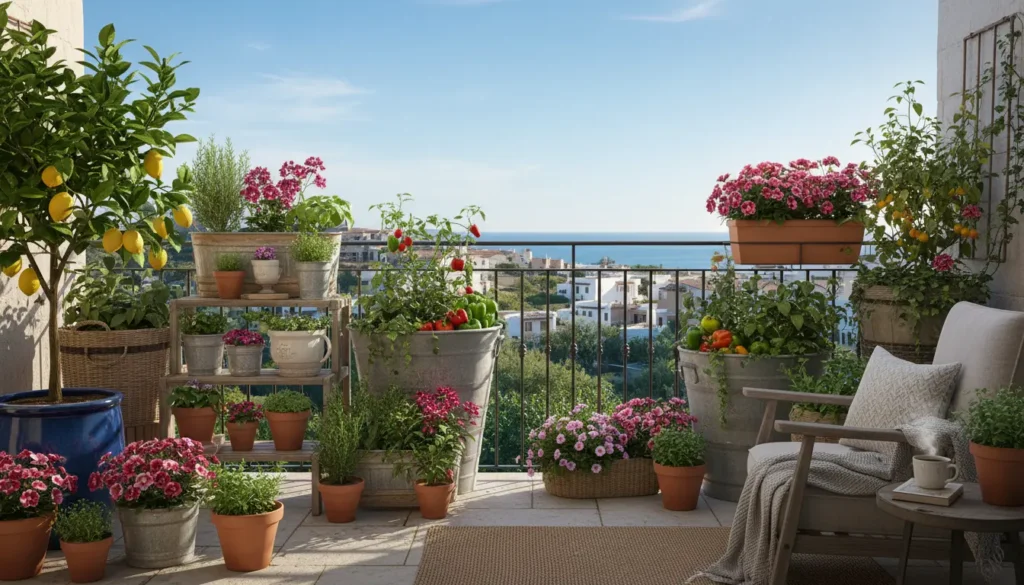
Container vegetable gardening makes growing food possible when space is limited. It works on balconies, patios, rooftops, and small yards.
You can control soil quality, move plants for sun, and reduce many common garden problems. This guide gives step-by-step practical advice to get started.
Plan your container vegetable garden
Begin by assessing light, space, and your goals. Most vegetable crops need 6–8 hours of direct sun daily.
Decide whether you want a few pots of herbs and salad greens or a more productive setup with tomatoes and peppers. Planning saves time and money.
Essential checklist for planning
- Measure available space and sun exposure.
- Estimate how many containers you can accommodate.
- Choose plants that suit your climate and sunlight.
- Set a realistic watering and maintenance schedule.
Choose containers and placement
Select pots with good drainage and enough root space. Material matters: plastic, terracotta, and fabric pots each have pros and cons.
For many vegetables, choose containers at least 12 inches deep. Larger plants like tomatoes need 18–24 inch pots or grow bags.
Container tips
- Use pots with drainage holes to prevent root rot.
- For balconies, check weight limits and prefer lightweight pots.
- Group pots so watering is easier and microclimates form.
Soil mix and potting for container vegetables
Good soil is the foundation of a productive container vegetable garden. Use a high-quality potting mix formulated for containers rather than garden soil.
Look for mixes with peat or coco coir, perlite or vermiculite, and compost. These components balance drainage and water retention.
DIY potting mix recipe
- 2 parts high-quality potting mix
- 1 part compost or well-rotted organic matter
- 1 part perlite or coarse sand for drainage
Best vegetables for a container vegetable garden
Some vegetables are especially well-suited to containers and produce reliably with modest care. Choose varieties labeled for containers when possible.
- Leafy greens: lettuce, spinach, arugula
- Herbs: basil, parsley, chives
- Compact tomatoes: patio or determinate varieties
- Peppers: both sweet and hot types
- Root crops: radishes, baby carrots, small beets
Watering and fertilizing your container vegetable garden
Containers dry out faster than ground beds, so check moisture daily in hot weather. Stick your finger into the soil—water when the top inch feels dry.
Use a balanced liquid fertilizer or slow-release granules designed for vegetables. Follow package directions and avoid overfertilizing, which can harm plants.
Watering tips
- Water until you see excess draining from the pot bottom.
- Mulch the top of containers with straw or shredded leaves to reduce evaporation.
- Consider self-watering pots or drip irrigation for consistent moisture.
Pest control and basic maintenance
Containers reduce some pests but not all. Regular inspection and quick action keep plants productive.
Use physical controls and organic options first: handpick insects, use insecticidal soap, and encourage beneficial insects with flowers.
Common problems and simple fixes
- Aphids — spray with water or insecticidal soap.
- Powdery mildew — improve air circulation and remove infected leaves.
- Blossom end rot on tomatoes — ensure consistent calcium via balanced fertilizer and regular watering.
Small real-world case study
Case: A two-person household on a third-floor apartment balcony grew six containers: two tomato, two mixed herb, and two lettuce pots.
They used lightweight plastic pots, a commercial potting mix with added compost, and a weekly liquid fertilizer. Within three months they harvested salad greens twice weekly and four medium-sized tomatoes per plant.
Key takeaways: select compact varieties, keep watering consistent, and rotate crops seasonally for continuous production.
Container plants can produce as much or more per square foot than traditional beds because you control soil health and spacing. A well-managed container garden can yield fresh vegetables all season long.
Seasonal care and crop rotation for container vegetables
Rotate families of crops between containers to reduce disease carryover. For example, avoid planting tomatoes in the same pot year after year unless you refresh the soil.
At the end of a season, remove spent plants, refresh potting mix with compost, and clean containers to prevent overwintering pests.
Quick checklist to start today
- Choose a sunny spot and count how many pots fit.
- Select appropriate container sizes based on crops.
- Buy quality potting mix and compost or make your own blend.
- Plant compact or container-labeled varieties and mulch pots.
- Set a watering schedule and inspect plants weekly for pests.
Starting a container vegetable garden is practical and rewarding. With the right containers, soil, and routine care you can harvest fresh produce even in small spaces. Begin with a few easy crops, learn from each season, and expand as confidence grows.