Introduction
Home composting turns kitchen scraps and garden waste into nutrient-rich soil. This guide gives clear, practical steps so you can start a compost system that fits your space and routine.
Home Composting Basics
Composting is a natural process of breaking down organic materials into humus. The main goal is to balance carbon-rich “browns” and nitrogen-rich “greens” while managing moisture and airflow.
Why try home composting?
Composting reduces household waste and improves soil structure. It saves money on fertilizers and supports healthier plants without synthetic chemicals.
How to Start Home Composting
Starting is straightforward: choose a method, gather materials, and follow a simple routine. Beginners should pick a low-maintenance option and scale up later.
Step 1 — Choose a compost method
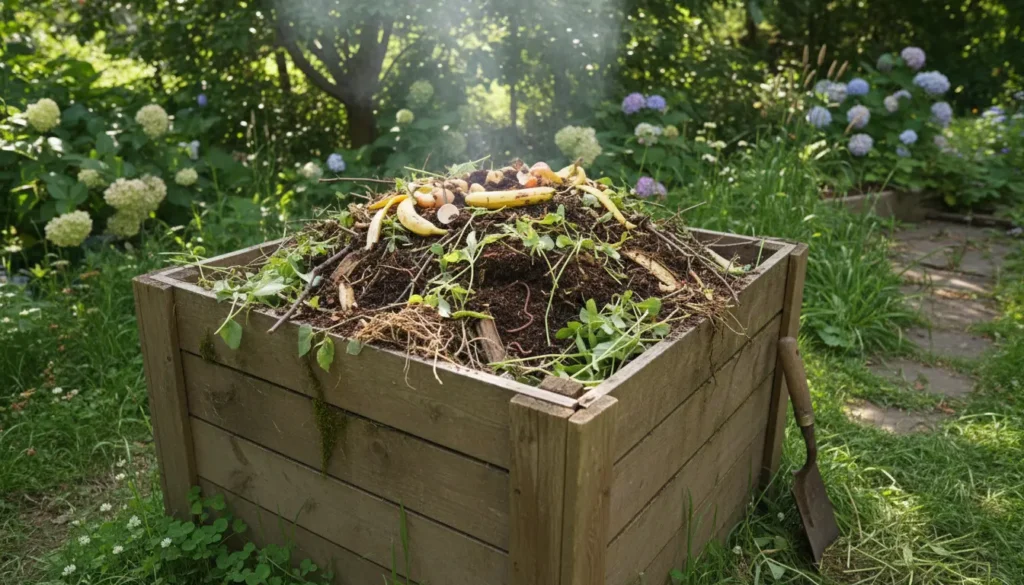
Pick one method based on space and time. Common choices are a tumbling bin, stationary bin, or a simple heap in the yard. Indoor worm bins (vermicomposting) work well for apartments.
- Tumbling bin: faster, easier turning, good for small yards.
- Stationary bin: cheaper and low-tech, needs occasional turning.
- Open pile: best for larger gardens, visible and free.
- Vermicompost: indoor, uses worms, great for kitchens and small spaces.
Step 2 — Gather tools and materials
You only need a few items to get started. Simple tools keep the process tidy and efficient.
- Compost bin or container
- Pitchfork or garden fork for turning
- Kitchen container for scraps (with a lid)
- Optional: thermometer to monitor temperature
Step 3 — Collect the right mix
Balance browns and greens. A good rule is roughly 3 parts browns to 1 part greens by volume. Adjust as needed based on smell and moisture.
- Greens: fruit and vegetable scraps, coffee grounds, fresh grass clippings.
- Browns: dry leaves, shredded paper, cardboard, straw.
Choosing a Compost Bin for Home Composting
Select a bin that fits your yard and composting frequency. Size matters: too small and it dries out, too large and it becomes hard to turn.
Considerations
Look for bins with good ventilation and a way to remove finished compost. Tumblers need less turning but cost more. Simple wooden or plastic bins are affordable and effective.
Maintaining Your Home Composting System
Maintenance is mostly about balance: keep the pile moist, aerated, and at the right size for heating. Turn the pile every 1–2 weeks for faster breakdown.
Practical maintenance tips
- Check moisture: it should feel like a wrung-out sponge.
- Turn regularly to add oxygen and prevent odors.
- Chop or shred large items to speed decomposition.
- Add browns if it smells sour; add greens if it’s too dry or slow.
Troubleshooting Home Composting Problems
Common issues are easy to fix. Smell, pests, and slow decomposition usually indicate an imbalance you can correct quickly.
Common problems and solutions
- Bad odors: add dry browns and turn the pile to aerate.
- Pests: avoid meat, dairy, oily foods, and bury food scraps under browns.
- Too dry: add water and more greens; cover the bin if necessary.
- Slow breakdown: increase surface area by shredding items and maintain heat by layering.
Home composting can divert up to 30% of household waste from the trash and cut greenhouse gas emissions from landfills. A small countertop bin with weekly transfers makes composting practical for most households.
Case Study: Small Yard Success
Maria, a homeowner with a small yard, started with a 50-gallon tumbling composter. She collected kitchen scraps in a sealed bucket and emptied it into the tumbler twice a week.
Within three months she had usable compost for her raised bed vegetables. She credits consistent turning and keeping a steady brown-to-green ratio for the success.
Using Finished Compost
Finished compost looks dark, crumbly, and earthy. Use it as a top dressing, mix into potting soil, or add to garden beds to improve structure and nutrient content.
- Topdress lawns and beds with a thin layer once or twice a year.
- Mix 10–30% compost into garden soil when planting.
- Use as a potting soil amendment for containers.
Quick Checklist to Start Home Composting
- Choose a bin or method that fits your space.
- Gather basic tools: bucket, fork, and optional thermometer.
- Collect a mix of browns and greens; aim for 3:1 ratio.
- Turn the pile regularly and check moisture.
- Monitor for pests and odors and adjust as needed.
Conclusion
Home composting is a low-cost, high-impact way to reduce waste and enrich soil. Start small, maintain a simple routine, and scale as you learn what works for your household.
With a little attention to balance and moisture, most homes can produce useful compost in a few months. Try one method for a season, then refine your approach based on results.