Why start a small vegetable garden
Growing your own vegetables saves money and improves food quality. A small vegetable garden fits balconies, patios, and compact yards.
This guide explains how to plan and maintain a productive small vegetable garden with easy, actionable steps.
Plan before you start a small vegetable garden
Planning reduces wasted time and effort. Pick a spot, choose plants, and decide on beds or containers before you plant.
Choose the right location for a small vegetable garden
Most vegetables need 6–8 hours of direct sun. Observe sunlight patterns for several days to confirm the best spot.
Consider access to water, wind exposure, and proximity to the kitchen for easy harvesting.
Decide between containers and raised beds
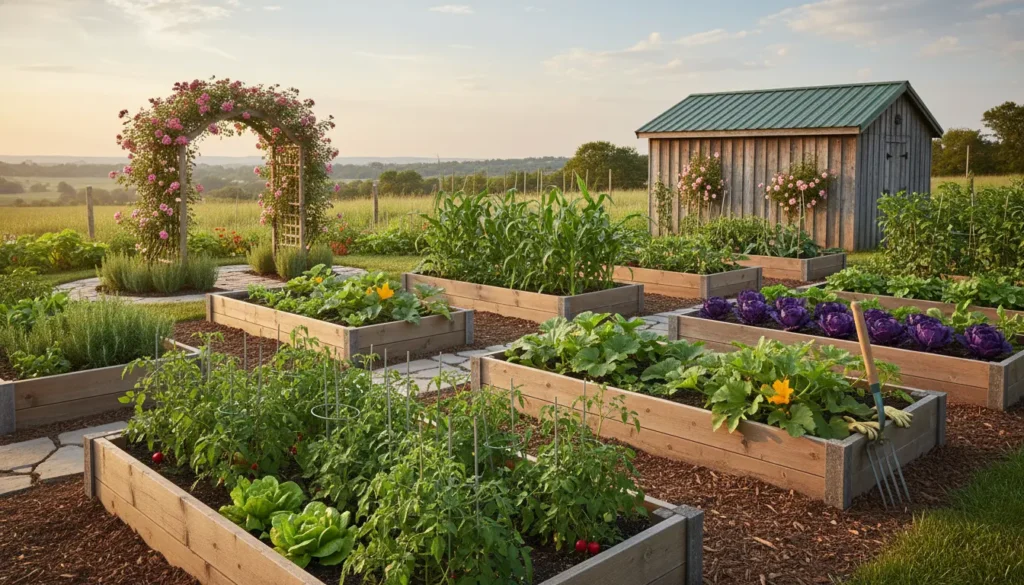
Containers are ideal for balconies and small patios. Raised beds offer better drainage and soil control in yards.
- Containers: portable and space-efficient.
- Raised beds: higher yield and easier weeding.
- Traditional rows: work if you have more space.
Prepare soil and containers
Good soil is the foundation of a healthy small vegetable garden. For containers, use a quality potting mix; for beds, improve soil with compost.
Soil mix and amendments
Test soil pH if possible; vegetables prefer neutral to slightly acidic soil (pH 6.0–7.0). Add compost or well-rotted manure to boost fertility.
For containers, choose a mix with peat or coir, perlite, and compost for light drainage and nutrients.
Choose easy vegetables for your small vegetable garden
Start with crops that perform well in small spaces and deliver quick results. Focus on high-yield, low-maintenance options.
- Leafy greens: lettuce, spinach, Swiss chard.
- Herbs: basil, parsley, chives.
- Compact fruiting plants: cherry tomatoes, peppers, bush beans.
- Root crops: radishes, baby carrots (in deeper containers).
Planting and spacing in a small vegetable garden
Follow seed packet or plant tag spacing to avoid crowding. Dense planting may reduce airflow and increase disease risk.
Use vertical supports for vining plants to save ground space and increase yield.
Succession planting and companion planting
Succession planting extends harvests: sow quick crops (radishes, lettuce) between slower-growing plants.
Companion planting can improve growth and deter pests—for example, grow basil near tomatoes.
Watering and feeding your small vegetable garden
Consistent moisture is key. Water deeply and less frequently to encourage strong roots. Containers often need daily checks in warm weather.
- Morning watering reduces disease risk and water loss.
- Use mulch to retain moisture and suppress weeds.
- Fertilize according to crop needs—balanced organic fertilizer every 3–4 weeks for most vegetables.
Pest and disease management
Regular inspection is the easiest way to prevent problems. Remove damaged leaves and control pests early when numbers are low.
- Handpick larger pests like caterpillars and beetles.
- Use insecticidal soap or neem oil for soft-bodied pests like aphids.
- Rotate crops each season to limit soil-borne diseases.
Harvesting from a small vegetable garden
Harvest frequently to encourage continued production, especially for leafy greens and herbs. Pick tomatoes and peppers as they ripen for best flavor.
Proper harvesting extends the productive life of plants and increases yield per square foot.
Many common vegetables can be grown in containers as small as 5 gallons, including cherry tomatoes and bush beans. Container gardens can match the yield of small raised beds with proper care.
Small vegetable garden maintenance checklist
- Daily: check soil moisture and look for pests.
- Weekly: water deeply, harvest ripe produce, remove weeds.
- Monthly: fertilize if needed and add compost to beds or top-dress containers.
Case study: Balcony salad garden
Maria set up three 10-inch containers on her sunny apartment balcony. She planted lettuce, basil, and cherry tomatoes in spring.
By mid-summer she harvested salad greens twice a week and 12 pints of cherry tomatoes over three months. Minimal inputs included a 50/50 mix of potting soil and compost and weekly liquid fertilizer.
This example shows a small vegetable garden can supply significant fresh produce with low space and cost.
Final tips to start a small vegetable garden successfully
- Start small and expand after learning what works in your space.
- Keep records: note planting dates, varieties, and results for future improvement.
- Use community resources—local extension services and garden groups—for advice tailored to your climate.
With a clear plan and simple routines, anyone can start a small vegetable garden and enjoy fresh, homegrown produce. Begin with a few easy crops, maintain consistent care, and adjust based on what you learn.