Starting a vegetable garden is a practical way to grow fresh food, save money, and enjoy outdoor time. This guide explains clear steps to plan, prepare, and maintain a productive garden for beginners and busy gardeners.
Plan Before You Start a Vegetable Garden
Good results begin with simple planning. Decide what you want to grow, how much time you can commit, and where to place the garden on your property.
Consider climate, available space, and whether you prefer in-ground rows, raised beds, or containers. Planning reduces mistakes and saves time during the growing season.
Choose Vegetables That Match Your Needs
Select crops that fit your climate, cooking preferences, and experience level. Fast-growing, low-maintenance options are best for first-time gardeners.
- Easy choices: lettuce, radishes, spinach, green beans, bush tomatoes.
- Higher maintenance: corn, long-season tomatoes, winter squash.
- Consider succession planting to extend harvests.
Pick the Right Location to Start a Vegetable Garden
Sunlight and access to water are the two most important factors when choosing a site. Most vegetables need at least 6 hours of direct sunlight per day.
Locate the garden near a water source and on level ground with good drainage to make maintenance easier.
Assess Soil and Drainage
Healthy soil is the foundation of a productive garden. Test soil drainage by digging a small hole and filling it with water; it should drain within a few hours.
If drainage is poor or soil is compacted, consider raised beds filled with quality topsoil and compost for immediate improvement.
Prepare Soil and Planting Beds
Soil preparation includes removing weeds, incorporating organic matter, and adjusting pH if needed. Compost improves texture and fertility for most vegetable crops.
Work compost or well-rotted manure into the top 6 to 8 inches of soil. Avoid deep plowing that can disturb soil structure.
Basic Soil Mix for Raised Beds
- 40% topsoil
- 40% compost
- 20% coarse sand or perlite for drainage
This mix offers good nutrient content and drainage for most vegetables.
Planting: Seeds vs. Seedlings
Decide whether to start from seed or buy seedlings. Seeds are cost-effective and offer more variety, while seedlings give a head start and produce faster harvests.
Check planting dates for your region and follow spacing recommendations to prevent overcrowding and disease.
Planting Tips
- Sow cool-season crops early in spring or late summer for fall harvest.
- Plant warm-season crops like tomatoes after the last frost date.
- Thin seedlings to recommended spacing to improve air flow and yield.
Watering and Feeding Your Vegetable Garden
Consistent watering is crucial, especially during germination and fruit set. Deep, infrequent watering encourages strong roots.
Use mulch to conserve moisture, suppress weeds, and stabilize soil temperature.
Fertilizing Schedule
Begin with soil amended by compost. Add a balanced, slow-release organic fertilizer at planting for heavy feeders like tomatoes and corn.
Side-dress with compost or fertilizer mid-season as crops develop larger leaves and fruits.
Pest and Disease Management When You Start a Vegetable Garden
Integrated pest management (IPM) emphasizes prevention and monitoring rather than immediate spraying. Regularly inspect plants for early signs of problems.
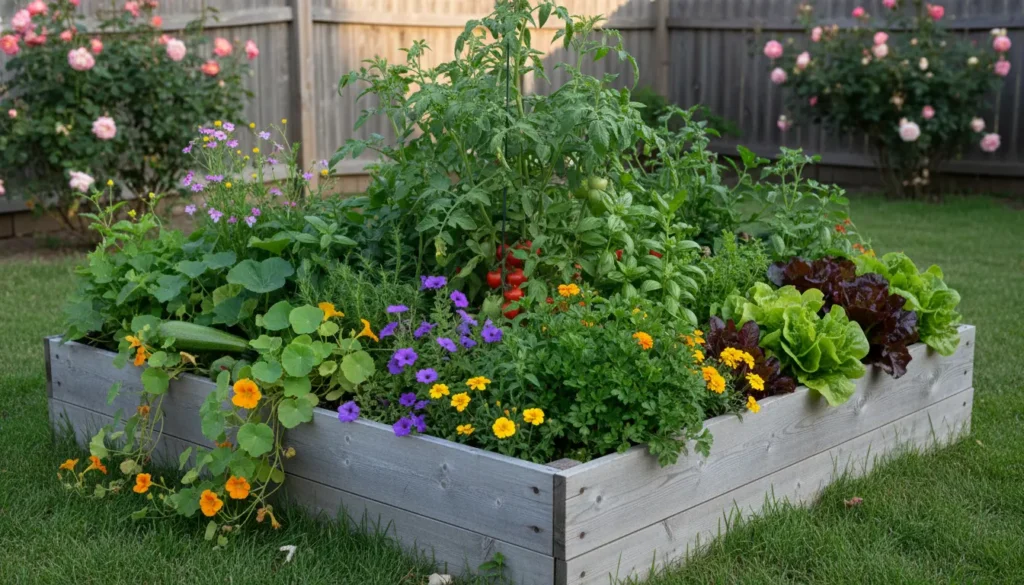
Encourage beneficial insects by planting flowers and using row covers for young plants where needed.
Simple IPM Actions
- Rotate crops yearly to reduce soil-borne diseases.
- Handpick large pests like beetles and caterpillars.
- Use sticky traps, neem oil, or insecticidal soap as targeted controls.
Companion planting, such as planting basil near tomatoes, can improve flavor and reduce pests without chemicals.
Harvesting and Maintenance
Harvest vegetables at peak ripeness for best flavor and to encourage continued production. Regular picking often increases overall yield.
Keep beds weeded and mulched, and remove spent plants to prevent disease and pests from overwintering.
Storage and Preservation
Store root crops in a cool, dark place and refrigerate leafy greens promptly. Consider simple preservation methods like freezing, canning, or pickling for surplus produce.
Small Real-World Case Study
Case: Anna, a first-time gardener in a 300-square-foot backyard, installed two 4×8 raised beds and filled them with a soil-compost mix. She chose lettuce, radishes, bush beans, and two determinate tomato plants for the first season.
By following a simple schedule—watering deeply twice weekly, mulching, and checking for pests—Anna harvested fresh salads from June through October. Her total time investment averaged 2–3 hours per week.
Quick Checklist to Start a Vegetable Garden
- Choose a sunny site close to water
- Decide on beds, containers, or rows
- Test and improve soil with compost
- Select easy crops for beginners
- Establish a watering and feeding routine
- Monitor for pests and practice crop rotation
Starting a vegetable garden is manageable with small steps and basic care. Focus on planning, good soil, and regular observation to expand your garden with confidence year by year.