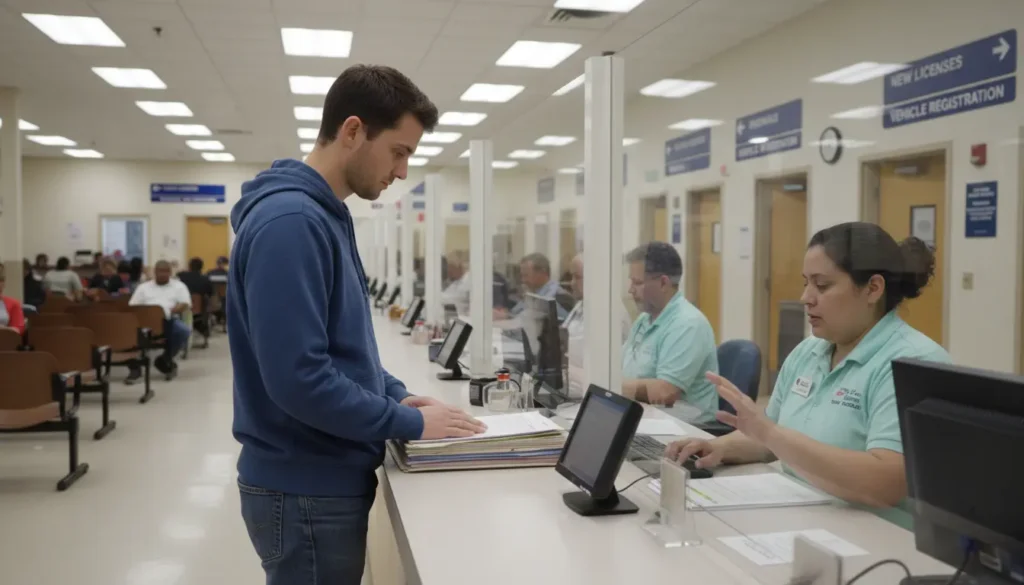
On January 27, 2026, a set of new driving license rules will take effect across jurisdictions in the United States. This article explains the likely scope of those rules, who may be affected, and practical steps you can take now to avoid surprises at the DMV.
What the U.S. Driving License Changes 2026 cover
The January 27 rules focus on verification, documentation, and updated issuance standards. While federal guidance influences the changes, individual states will adopt and implement specific procedures at their own pace.
Common themes in the new rules include clearer identity checks, support for secure digital licenses, and revised document lists for first-time applicants and renewals.
Key rules effective January 27 that you should watch
- Enhanced identity verification: More consistent document checks for proof of identity, date of birth, and lawful presence.
- Digital license standards: States may expand acceptance of mobile driver’s licenses (mDLs) following new technical guidelines.
- Updated documentation lists: Expect clear lists of acceptable documents for name changes, renewals, and real ID upgrades.
- Changes to renewal workflow: Some states may require in-office renewals for certain age groups or after specific events such as long expirations.
- Privacy and security measures: Greater safeguards for digital records and biometric photo standards in some jurisdictions.
Who is affected by the new U.S. Driving License Changes 2026
Not every driver will see immediate differences when the rules begin. The most likely groups affected first are:
- First-time applicants who must submit primary identity documents in person.
- Drivers switching to a REAL ID or getting a name change or gender marker update.
- People renewing after long lapses or who need to verify lawful presence.
- States that adopt the new digital license standards quickly; their residents may be offered mDL options sooner.
State-to-state differences matter
States control how they implement federal guidance. Some will update forms and online systems immediately, while others will phase in new checks over months. Always check your state DMV website for the exact list of documents and steps.
How to prepare for the January 27 change
Preparing now reduces delays and prevents unexpected trips to the DMV. Follow these steps before January 27, 2026:
- Verify your documents. Ensure you have a valid birth certificate or passport, Social Security proof, and two proofs of residential address if required by your state.
- Check your state DMV website. Look for specific instructions about REAL ID, mDL availability, and renewal conditions tied to the new date.
- Schedule appointments early. If your state expects in-person visits, appointment slots may fill faster near the effective date.
- Update records. If your name or gender marker changed, bring supporting legal documents such as a court order or amended birth record.
- Keep digital copies. Scan or photograph important documents securely, but bring originals to in-person visits.
The term “REAL ID” refers to a federal standard for state-issued IDs used for boarding federally regulated commercial aircraft and entering certain federal buildings. States have been updating rules and technology to meet evolving REAL ID guidance.
Documents commonly required under the new rules
While specifics differ by state, the following documents are frequently requested:
- Proof of identity: U.S. birth certificate or valid passport.
- Proof of Social Security Number: Social Security card or a W-2 form.
- Proof of residency: Utility bill, lease, or bank statement showing current address.
- Legal name change documents: Marriage certificate or court order when applicable.
Bring originals for verification. Photocopies and screenshots are usually not sufficient.
Real-world example: One driver’s smooth renewal
Case study: Sara, a 42-year-old teacher, renewed her license two weeks before January 27. She checked her state DMV website, confirmed the document list, and made an appointment.
On the day of her visit she brought her passport, Social Security card, and a recent utility bill. The clerk processed her renewal without extra steps and offered information about the state’s upcoming mobile license app. Sara avoided delays by preparing documents in advance.
Common questions and quick answers
Will my current license stop working on January 27?
No. Existing valid licenses remain valid until their expiration date. The new rules mainly affect how renewals and new issues are processed.
Do I need to switch to a REAL ID on January 27?
You only need to switch if you want to use your state ID to board federal flights or enter certain federal facilities and your current license is not REAL ID compliant. Check your state DMV for deadlines and benefits.
Are mobile driver licenses mandatory?
No. mDLs are optional and will be offered by some states as a secure digital alternative. They are not a replacement for a physical card unless your state explicitly allows that choice.
Final practical checklist
- Visit your state DMV website and read the January 27 guidance page.
- Gather originals of identity, Social Security, and residency documents now.
- Make an appointment if your DMV uses scheduled visits.
- Consider upgrading to REAL ID only if you need it for federal travel or access.
- Keep copies of all documents and use secure methods to store them.
These steps will help you navigate the U.S. driving license changes in 2026 and reduce the chances of unexpected delays when the new rules come into effect on January 27. For the most accurate and binding information, always contact your state DMV.