On January 27, 2026, new rules affecting U.S. driving licenses take effect. This article explains practical steps drivers should take, what to expect at state DMVs, and how to prepare for the changes.
U.S. Driving License Changes 2026: What drivers should know
The January 27 deadline means states and federal agencies will follow updated verification and issuance practices. Individual states will implement the rules slightly differently, so you should check your state DMV website first.
Most changes focus on identity verification, documentation, and the format of some licenses. Expect clearer guidelines at DMV offices and extra document checks when you apply for a new or renewed license.
New rules starting January 27: key practical points
Drivers should be ready for stronger ID document requirements and updated security features on cards. Agencies may also expand options for digital licenses and update how records are shared between states.
- Bring original identity documents and certified copies; photocopies are often not accepted.
- Expect new or updated fee structures for replacement or upgraded credentials.
- Processing times at DMVs may increase temporarily as staff adopt new procedures.
How to prepare before January 27, 2026
Start early to avoid lines and delays. Check whether your current license will remain valid or if you need to upgrade it to meet the new standard.
Follow these steps to be ready:
- Visit your state DMV website to read the official changes and any state-specific requirements.
- Gather primary identity documents: current passport or birth certificate, proof of Social Security number, and two proofs of residential address.
- Make an appointment at the DMV when possible; walk-ins may face long waits after the rule change takes effect.
Documents commonly required by DMVs
While states vary, these documents are typically required when applying for or renewing a license under updated rules. Bring originals or certified copies, not photocopies.
- U.S. passport or certified birth certificate.
- Social Security card or SSA document showing full SSN.
- Two recent utility bills, bank statements, or lease agreements showing your name and address.
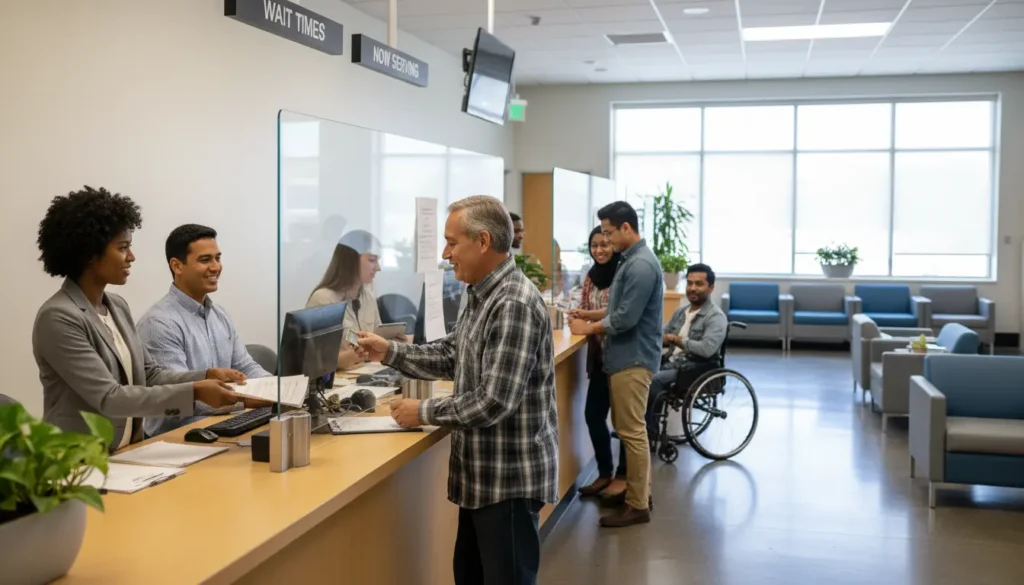
What to expect at the DMV on or after January 27
DMV staff will follow new verification workflows and may ask more questions to confirm identity. This is intended to reduce fraud and improve card security.
Expect photo retakes and updated card printing technology in some states. If you are renewing online, the new rules may still require an in-person visit for first-time upgrades.
Possible impacts on travel and services
If the changes relate to federally accepted ID standards, some people may need upgraded licenses to board domestic flights or access other federal facilities. Check travel rules if you have upcoming plans.
Plan ahead: if your current ID may not meet new standards, upgrade it well before travel to avoid complications at airports or security checkpoints.
Cost and timeline considerations
Costs will vary by state and by the type of credential. Expect a range of outcomes: some states may absorb upgrades for certain residents, while others will charge standard replacement fees.
Allow extra time for processing. If you must visit a DMV office, book the earliest available appointment. Consider renewing or upgrading online if your state allows it and if the online process meets the new rules.
Small case study: How one driver prepared
Maria, a teacher in Ohio, saw the January 27 date and scheduled a DMV appointment two months early. She gathered her passport, Social Security card, and two utility bills, and brought certified copies of her birth certificate just in case.
At her appointment she completed a short update form, had her photo retaken, and paid a modest fee. Maria left with a receipt indicating her upgraded credential would arrive in the mail within two weeks. Her proactive approach avoided last-minute delays and allowed her to travel without issue.
Tips and best practices for a smooth update
Follow these practical tips to reduce stress and time at the DMV. Apply early and bring all required documents to avoid a second trip.
- Make a checklist from your state DMV website and verify acceptable documents in advance.
- Use DMV online services where possible to save time and confirm whether an in-person visit is needed.
- Keep digital and physical copies of your documents; carry originals only when required.
The Did You Know box above highlights that many states allow appointment booking online and some permit partial renewals by mail for eligible applicants. Check your state site for specific options.
What to do if your application is denied or delayed
If the DMV requests additional documents or denies an application, ask for a clear list of what is missing. Most delays can be resolved by providing certified documents or updated proofs of residency.
Keep receipts and reference numbers for any interactions. If you face repeated denials, escalate to a supervisor or contact your state DMV’s customer support for guidance.
Final checklist before visiting the DMV
- Confirm whether an in-person visit is required for the type of update you need.
- Gather originals: passport or birth certificate, SSN proof, two proofs of address.
- Make an appointment and bring payment method for fees.
- Allow extra time for processing and follow up with the DMV using your receipt number.
Being prepared will minimize delays and ensure your credential meets the new rules that take effect on January 27, 2026. Check your state DMV for the exact steps and local variations before you go.