Starting a vegetable garden is a practical way to grow fresh food, save money, and enjoy outdoor activity. This guide, focused on vegetable gardening for beginners, gives step-by-step instruction you can follow in a small yard or container space.
Vegetable Gardening for Beginners: Plan Your Garden
Begin with a simple plan that matches your available space and sunlight. Most vegetables need 6–8 hours of direct sun, so map the sunniest spots in your yard before you buy seeds.
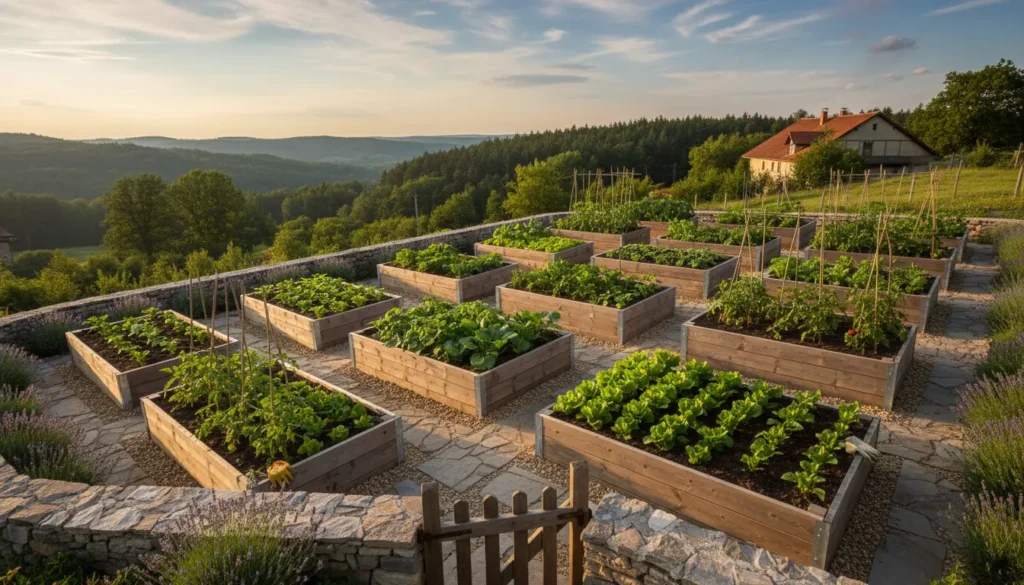
Decide between raised beds, in-ground rows, or containers. Each option has pros and cons: raised beds warm faster and drain well, in-ground is lower cost, and containers are best for patios or balconies.
Choosing a Layout for Vegetable Gardening for Beginners
Keep the layout compact and accessible so you can reach all plants without stepping on soil. A common beginner layout is one or two 4×8 foot raised beds with wide paths between them.
- Consider rows or square-foot gardening for easy planting.
- Place taller plants on the north side to avoid shading shorter ones.
- Plan succession planting to maximize harvest across the season.
Soil and Soil Care
Soil is the most important factor in success for vegetable gardening for beginners. Good soil gives plants nutrients, holds moisture, and supports roots.
Test a small soil sample or use a home kit to check pH and basic fertility. Most vegetables prefer a slightly acidic to neutral pH (6.0–7.0).
Improve soil with organic matter. Add compost or well-rotted manure at least once before planting and then annually. For containers, use a quality potting mix rather than garden soil.
Soil Tips
- Mix 2–3 inches of compost into the top 6–8 inches of soil.
- Avoid walking on planting beds—compaction reduces root growth.
- Mulch after planting to conserve moisture and suppress weeds.
Selecting Plants and Seeds
Choose easy, productive crops for your first season. Vegetables like lettuce, radishes, bush beans, tomatoes, and zucchini are forgiving and rewarding.
Check the seed packet or plant tag for days to maturity and space requirements. Short-season varieties work well in cooler climates or small spaces.
Planting Schedule for Vegetable Gardening for Beginners
Create a simple planting calendar. For many regions, plant cool-season crops early (spring and fall) and warm-season crops after the last frost.
- Spring: peas, lettuce, radishes
- Late spring/summer: tomatoes, peppers, beans
- Fall: spinach, kale, root crops
Watering and Feeding
Consistent water is critical for steady growth and flavor. Most vegetables need about 1 inch of water per week from rain or irrigation.
Use drip irrigation or soaker hoses to deliver water directly to the root zone and reduce disease pressure. Water in the morning when possible to limit evaporation.
Feed plants with balanced organic fertilizer during the season. A side-dressing of compost or a light application of balanced granular fertilizer helps heavy feeders like tomatoes and squash.
Pest and Disease Basics
Expect some pests and diseases, but early detection and simple controls keep them manageable. Inspect plants weekly for chewing, yellowing leaves, or unusual spots.
Use cultural controls first: crop rotation, clean tools, and removing infected plants. Encourage beneficial insects by planting flowers like calendula and dill nearby.
- Handpick large pests like slugs and caterpillars.
- Use floating row covers to protect seedlings from insects.
- Apply organic sprays (insecticidal soap) only as needed and follow label directions.
Harvesting and Storage
Harvest vegetables when they are firm and at the size indicated on seed packets. Regular harvesting encourages more production from plants like beans and squash.
Store produce properly: leafy greens in cool, moist conditions; root crops in a cool dark place; tomatoes at room temperature to preserve flavor.
Simple Case Study: Small Raised Bed That Nearly Doubled Produce
Maria, a beginner gardener with a 4×8 raised bed, planned a mixed vegetable planting of tomatoes, bush beans, lettuce, and radishes. She improved the soil with 3 inches of compost and used a simple drip hose for watering.
By staggering plantings—lettuce and radishes every three weeks and beans after the first harvest—Maria had fresh produce from May through October. Her regular weeding and mulching reduced problems and increased yields without expensive inputs.
Practical Checklist for Vegetable Gardening for Beginners
- Choose a sunny spot and appropriate container or bed type.
- Test and amend soil with compost for good structure.
- Select easy crops and check days to maturity.
- Water consistently and use mulch to save moisture.
- Monitor pests weekly and use cultural controls first.
- Keep a simple calendar for planting and harvesting.
Many common vegetable varieties were developed for small gardens and containers. Bush-type plants, compact tomatoes, and baby salad greens are specifically bred for limited spaces and quick harvests.
Next Steps for New Gardeners
Start small and build confidence. One or two beds or a few containers let you learn without being overwhelmed.
Track what you plant, when you plant it, and the harvest dates. A simple log helps you improve timing and variety choices in the following season.
Vegetable gardening for beginners is about steady practice and small improvements. With basic planning and routine care, you can enjoy regular harvests and better tasting food from your own garden.