Why working from home productivity matters
Working from home productivity affects output, stress, and work-life balance. Small changes in routines and environment can lead to measurable gains in focus and time saved.
This guide shares practical, step-by-step methods you can implement today to improve productivity without dramatic lifestyle changes.
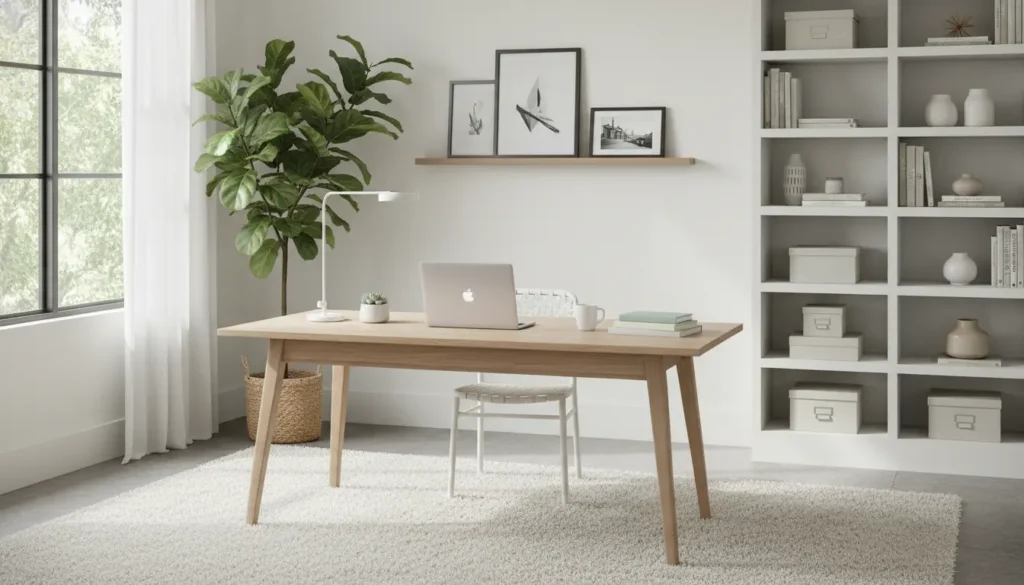
Set up a productive home workspace
A dedicated workspace signals your brain that it is time to work. You do not need a full room, but keep the area tidy and consistent.
- Choose a quiet corner with good natural light.
- Use a comfortable chair and an ergonomic desk setup.
- Remove clutter and keep only work items nearby.
Quick ergonomic checklist for better focus
Adjust monitor height so the top third of the screen is at eye level. Keep feet flat and elbows near 90 degrees. Proper posture reduces fatigue and helps you sustain concentration.
Build a simple daily routine to boost working from home productivity
Routines reduce decision fatigue and create momentum. Start with consistent wake and work start times, even if they are flexible within your schedule.
- Morning ritual: hydrate, quick stretch, review top 3 tasks.
- Work blocks: 60–90 minute focused sessions with 10–15 minute breaks.
- End-of-day wrap: summarize progress and plan the next day.
Use time blocking to protect focus
Assign specific tasks to fixed time windows on your calendar. Time blocking creates visible boundaries and reduces context switching.
Examples of blocks: deep work, meetings, admin, learning. Color-code them for clarity.
Manage distractions and interruptions
Distractions are the main productivity killer at home. Identify common triggers and apply low-cost fixes to limit interruptions.
- Set expectations: tell household members your work hours and do-not-disturb signals.
- Use app blockers for social media during work blocks.
- Create a short buffer zone before meetings to prepare and avoid last-minute distractions.
Noise and interruption tactics
Use noise-cancelling headphones or white noise to mask family sounds. If you have predictable interruptions, schedule short standing times to address them once per work block.
Prioritize tasks to increase output
Not all tasks contribute equally to results. Use a simple prioritization method to focus on high-impact work first.
- Identify your MITs (Most Important Tasks) — 1 to 3 items daily.
- Apply the 2-minute rule for small quick tasks: do them now if they take less than two minutes.
- Batch similar tasks like emails and calls into a single block.
Daily planning template
Start each day by listing MITs, time blocks, and scheduled breaks. This reduces mid-day decision friction and keeps you accountable.
Tools and habits that sustain working from home productivity
Simple tools and consistent habits can maintain gains over time. Choose one or two tools and adopt them fully before adding more.
- Task manager (Todoist, Trello) for tracking MITs and projects.
- Calendar app for time blocking and meeting boundaries.
- Pomodoro timers to structure focused intervals and breaks.
Healthy habits that improve focus
Short walks, hydration, and consistent sleep have outsized effects on attention. Schedule micro-breaks every 60–90 minutes to rest your eyes and move your body.
Working in uninterrupted 60–90 minute blocks aligns with your natural ultradian rhythm, which can improve sustained focus and reduce burnout.
Simple case study: Designer improved output by 30%
Background: A freelance graphic designer struggled with scattered tasks and frequent household interruptions.
Actions taken: the designer created a dedicated workspace, implemented two 90-minute deep work blocks per day, and used a simple task list with three MITs.
Result: Within four weeks the designer reported a 30% increase in billable hours and less evening stress. The changes were low-cost and easy to maintain.
Common mistakes to avoid when working from home
- Skipping structure: no start or end time leads to overwork.
- Multitasking: switching tasks reduces quality and speed.
- Poor boundaries: letting work spill into personal time causes fatigue.
Action plan you can start today
- Choose one MIT for tomorrow and block 90 minutes for it.
- Create a simple workspace checklist: light, chair, clutter-free.
- Set a visible do-not-disturb signal for household members during deep work.
- Try one tool: a timer or a task manager, and use it consistently for a week.
Improving working from home productivity is gradual. Start small, track changes, and adjust based on what fits your work and life. Consistency beats intensity when building productive habits.